
A CIPD Qualification often explores how organisational design evolves as companies grow and operational complexity increases. One commonly examined model is the Divisional Structure, which helps large organisations improve accountability, strengthen strategic focus, and maintain operational agility when expansion requires clearer distribution of responsibilities.
In this blog, we examine why growing organisations often adjust their organisational design to manage scale, strengthen leadership oversight, and improve decision-making.
Understanding How Rapid Growth Changes Organisational Design
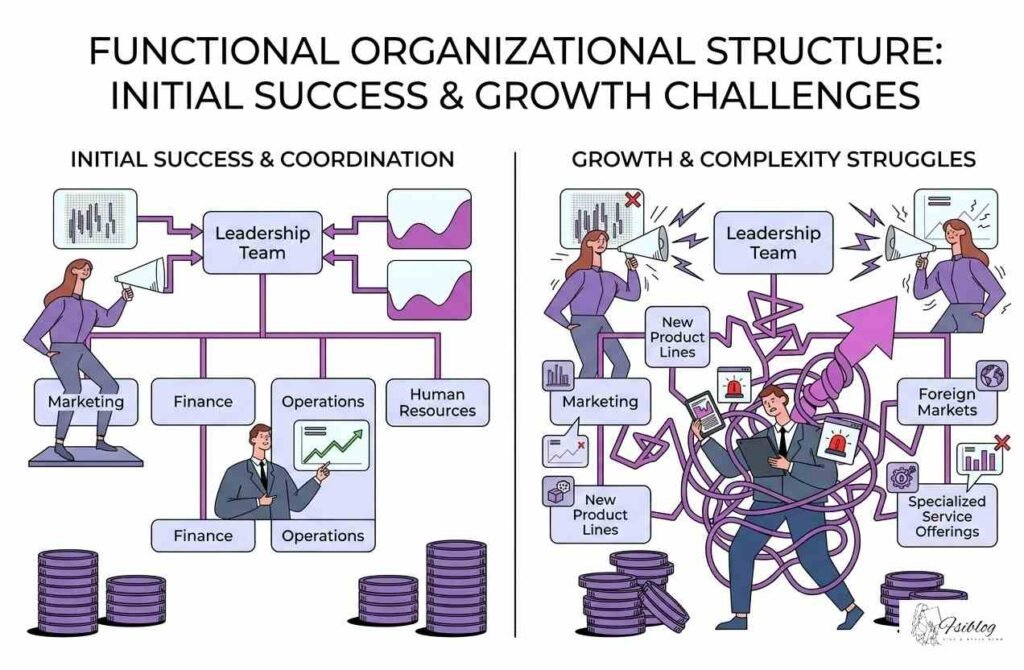
A functional structure is very effective in many organisations in the initial years of growth. Marketing, finance, operations, and human resources departments operate under the leadership team, which is central and enables decision coordination.
The environment, however, increases with the size of organisations. New product lines, foreign markets, and specialised service offerings add more degrees of decision-making. What worked well in a smaller structure could drag down communication and operational efficiency.
The central control may be even harder on leadership. Decisions are made multiple times, priorities will start to conflict with one another, and departments cannot adjust to evolving market conditions quickly, which is a challenge frequently examined in CIPD organisational development studies.
Reasons Organisations Move to a Divisional Structure
The organisation’s rapid growth creates immense challenges for its executive team. Establishing a central decision-making structure creates excessive operational demands on leaders who must guide their expanding organisations.
Organisations risk losing their strategic vision when they maintain their existing organisational structure. The decision-making process slows, organisations become less responsive, and their operational activities lose focus.
Below are the key reasons organisations choose a divisional structure to manage growth and complexity more effectively:
Clearer Focus Across Business Units
The Divisional Structure divides an organisation into separate units that operate according to their specific products and services, market segments, and geographic territories. The organisation’s divisions operate independently under their own leadership to manage their business activities while following the organisation’s strategic objectives, a structural approach often explored in CIPD organisational management frameworks.
The design of this structure enables each division to focus on essential operational tasks. Every division of the organisation can better address market trends, customer expectations, and operational needs. The ability of organisations to expand their operations across different industries and geographical areas enables them to sustain their operational focus.
Faster and More Effective Decision Making
The divisional approach allows organisations to make decisions faster than any other method. Divisional leaders can handle all operational challenges and opportunities in their territories without needing to consult central management on every decision.
The entire organisation benefits from increased agility through this solution. The organisation’s various divisions adapt their strategic plans and enhance service delivery as they work to resolve operational challenges. Organisations that make decisions more quickly than their rivals experience better business results because they gain a competitive advantage.
Stronger Accountability and Performance Visibility
A divisional model also strengthens accountability. The organisational performance assessment becomes more effective because each division has established operational duties that its members must fulfil.
The division evaluation process, which includes financial results, operational efficiency, and strategic progress, becomes easier to execute. The organisation gains operational visibility, enabling its leaders to identify strengths, address weaknesses, and allocate resources across the entire company.
Encouraging Innovation and Strategic Flexibility
Divisional structures provide organisations with their best opportunities for innovative development. When leadership duties are allocated across different divisions, divisions within an organisation gain operational flexibility to develop new solutions that suit their specific market needs.
This independence creates a space for testing new ideas while constantly enhancing existing processes. The departments can change their service delivery methods and develop new solutions while handling new market developments without requiring authorisation from their senior management structure.
Leadership Development Through Divisional Responsibility

Divisional leadership roles also contribute to leadership development. Managing a division requires strategic thinking, operational coordination, and financial oversight.
These responsibilities develop leadership capability within the organisation and prepare future executives for broader leadership roles. Many organisations view divisional leadership experience as a valuable step toward senior executive responsibility. Leadership capability development is also a core focus in CIPD learning, where professionals study how organisational structures support the growth of future leaders.
Conclusion
Organisational growth leads to changes in operational processes. The existing business structure, which currently maintains operational efficiency, will face difficulties in handling new challenges arising from expanding into additional markets and services, as well as international operations. The Divisional Structure provides an operational solution that enables businesses to manage their activities through separate business units that have distinct operational duties.
The Oakwood International provides professional development opportunities, including recognised CIPD Qualification pathways, supporting organisations and leadership teams in understanding organisational growth.