
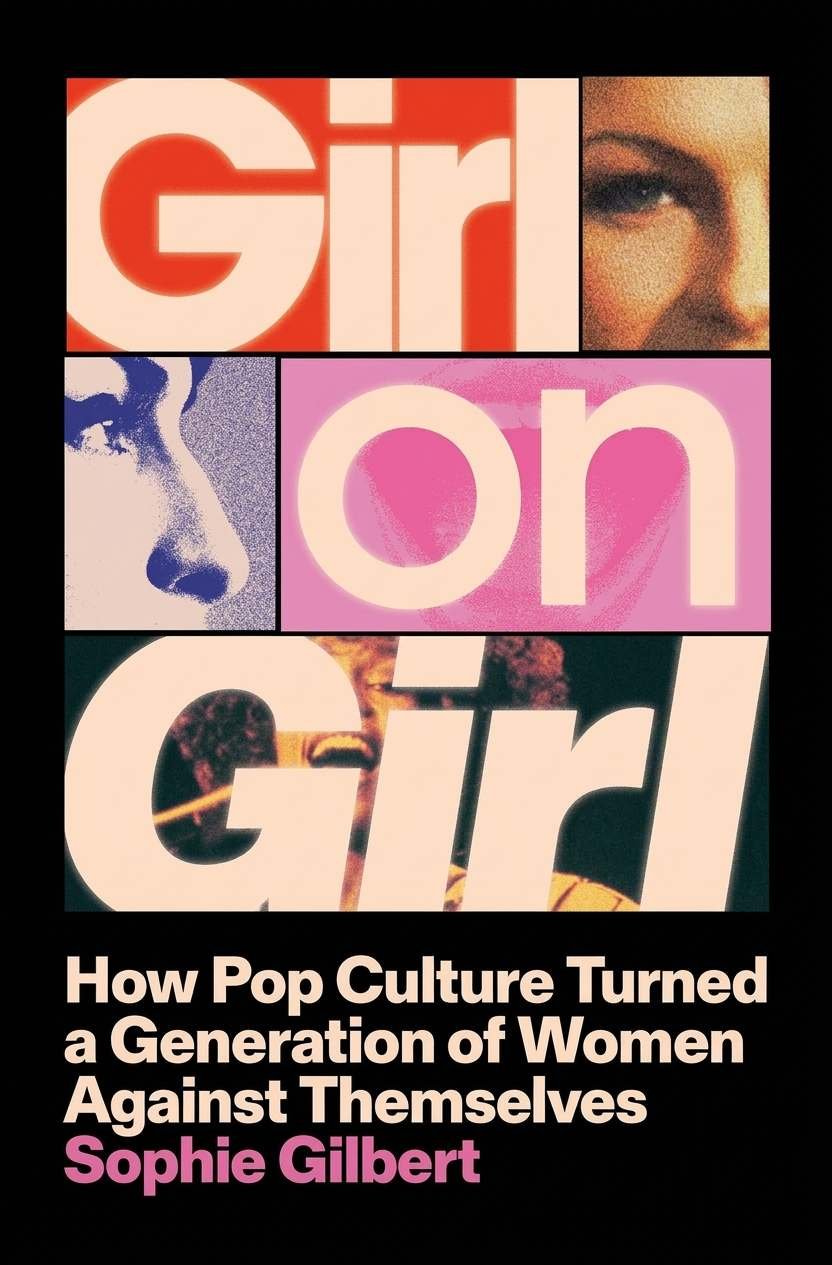
Description
Girl on Girl Review: Pop Culture, Power and Female Worth
I recommend Girl on Girl by Sophie Gilbert to readers who want to understand how entertainment shapes beliefs. The book examines how late-1990s and 2000s pop culture pushed women towards competition, self-surveillance and narrow beauty standards as presenting pressures as empowerment. Gilbert asks who benefits from the choices women are encouraged to make.
What I Learned and Why It Matters
My strongest lesson was that entertainment is never completely harmless. A magazine cover, music video or reality programme may seem forgettable, but repeated messages influence what feels normal. When women are ranked, mocked or reduced to appearance, judgement begins to feel like ordinary participation.
Celebrity culture also encouraged audiences to treat women’s pain as entertainment. Public breakdowns, weight changes, relationships and mistakes became products. Looking back, I can see how easily cruelty was disguised as gossip or humour when one woman was compared with another.
Gilbert’s discussion of empowerment was useful. She questions whether every personal choice should automatically be called feminist. Personal agency matters, but choices happen within pressures involving money, attention, beauty and approval. I learned to ask which rewards and punishments shaped the options.
The internet made these pressures personal. Users began measuring themselves through posts and reactions. This changed how I viewed building honest trust through social media content. Visibility can create connection, but it can also turn identity into a performance.
Why You Should Give This a Read
This book will suit readers interested in feminism, celebrity culture, media criticism and social history. Millennial women may recognise examples, while younger readers can understand where current online habits came from.
It focuses heavily on American and British popular culture, so it cannot represent every woman’s experience. I did not agree with every connection equally. I found it most useful as a lens for questioning familiar media rather than a complete explanation of modern womanhood.
Readers should expect discussions of pornography, sexualisation, eating disorders, body image, misogyny and public humiliation. Some material may feel personal or upsetting.
Its practical value lies in making attention more deliberate. I can pause before sharing a humiliating story, question who profits from insecurity and choose media that treats women as complete people. Pairing that awareness with small daily acts of self-love and confidence built through steady habits makes the lesson personal.
Final Thoughts
What stayed with me after Girl on Girl was how quickly exploitation can borrow the language of freedom. The book helped me separate confidence from performance and choice from pressure. I finished wanting to judge women less, question media more, and protect my self-worth from standards created mainly to hold attention and sell something.





Reviews
There are no reviews yet.