
Description
Encyclopedia of Herbal Medicine Review and Safety Notes
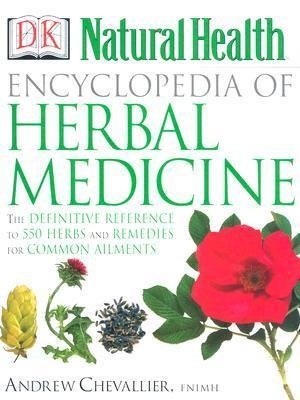
I approached Encyclopedia of Herbal Medicine by Andrew Chevallier as a reference book, not permission to treat every symptom at home. Its illustrated entries on 550 medicinal plants made traditional herbal knowledge easier to understand, while the preparation guidance helped me see how teas, tinctures, oils and poultices differ. The book feels most useful when curiosity is balanced with caution. That balance made the subject feel more responsible overall.
What I Learned and Why It Mattered
My strongest lesson was that herbal medicine is more complicated than choosing a plant linked to a symptom. The part used, preparation method, amount and personal health circumstances can all matter. A familiar herb can still cause unwanted effects or interact with recommended medicine.
I appreciated the book’s combination of plant profiles, historical uses and practical explanations. The illustrations make it easier to compare herbs, but I would never rely on a book alone when identifying wild plants. A mistake in identification could be dangerous, and responsible foraging requires specialist knowledge.
The book also challenged the pleasant idea that natural automatically means safe. This connects with my practical guide to using supplements responsibly, particularly the importance of discussing products with a GP or pharmacist when regular medication is involved.
Another useful lesson was to separate general wellbeing from medical treatment. A soothing tea or soothing skin preparation may form part of a personal routine, but persistent pain, breathing problems, infection or unexplained symptoms need proper assessment. My approach to self-care through small daily habits supports this distinction because self-care should protect health rather than delay help.
Who Should Read It
This book will suit gardeners, herbal history readers and people interested in how plants have been used among different traditions. Its organised entries and visual layout make it convenient for occasional reference rather than continuous reading.
However, pregnant or breastfeeding readers, children, people preparing for surgery and anyone with a long-term condition should seek professional advice before using a herbal product. The same applies when taking prescription or non-prescription medicines. Reading about a herb is not the same as receiving individual clinical guidance.
Readers building a well-rounded routine may also value these simple ways to support wellbeing affordably, which place sleep, food, movement and stress management before unnecessary products.
What Stayed With Me
What stayed with me after Encyclopedia of Herbal Medicine was respect for both plant knowledge and its limits. The book can help me ask better questions, understand terminology and value traditional practices.
For me, its value lies in informed reference, not self-diagnosis. I would use it alongside current safety information and qualified advice, especially when symptoms persist or medicines could interact.

Reviews
There are no reviews yet.