Description
How Forgotten Home Apothecary Changed My View of Remedies
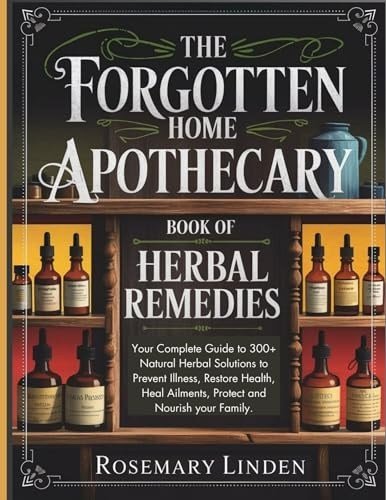
I approached Forgotten Home Apothecary by Nicole Apelian with interest and care. Its traditional preparations are organised like a household reference, making recipes easy to locate. I valued its plant expertise and practical self-reliance, but would never assume a remedy is safe because it is natural.
What I Learned and Why It Mattered
Traditional knowledge and medical evidence are not interchangeable. A remedy may have a long history without being proven effective for a particular condition, dose or person. The book encourages useful questions, but should not provide the final answer about health.
I valued how it brings ingredients, preparation methods and historical customs together. That framework made me think more carefully about how plants have been used in households before modern pharmacies. My Encyclopedia of Herbal Medicine review raised a similar point: learning about traditional use can be interesting without assuming every claim has equal scientific support.
Most importantly, herbs can cause side effects and interact with medicines. Plant identification, concentration, dose and preparation all matter. People who are pregnant, breastfeeding, taking prescribed medicine or living with liver or kidney problems need particular care. Children should not be given herbal preparations simply because a recipe appears gentle.
I also learned to separate minor self-care routines from symptoms requiring professional attention. A relaxing tea or topical preparation is not a substitute for diagnosis. Persistent pain, breathing difficulty, severe allergic reactions, infection signs or rapidly worsening symptoms require appropriate medical help. This connects with the warning to avoid unverified home remedies for skin concerns.
Who Should Read It
The book will suit adults interested in traditional plant use, household preparations and the history of home remedies. Readers who enjoy practical reference books may appreciate its organised presentation and visual approach.
It is less suitable for anyone looking for a reliable treatment guide for serious or ongoing illness. I would check every ingredient through current medical sources and ask a pharmacist about possible interactions before using it. I would never stop prescribed medicine or delay professional care because of a remedy in a book.
The guide may also appeal to readers building a more thoughtful personal self-care routine. Its best use, for me, is encouraging careful learning rather than confident self-treatment.
What Stayed With Me
What stayed with me after Forgotten Home Apothecary was that curiosity needs a safety filter. Traditional practices can protect cultural and household knowledge, but age does not guarantee effectiveness or safety. I finished the book more interested in how remedies are prepared, yet also more determined to check evidence, interactions, and personal risk. That balance made the book useful as a starting point, not a medical authority.

Reviews
There are no reviews yet.