
Cannabis, CBD, hemp extracts, and newer cannabinoid products are now discussed widely online. Social media, wellness blogs, influencer posts, and online shops often make these products sound simple, modern, and easy to understand. In reality, the UK position is more complicated.
For UK readers, the first thing to understand is that cannabis is not the same as CBD, and CBD is not automatically risk-free or fully straightforward. Some products may be legal when properly made and sold. Others may contain controlled substances, make unsupported health claims, or fail to meet UK safety rules.
UK Legal Position Comes First
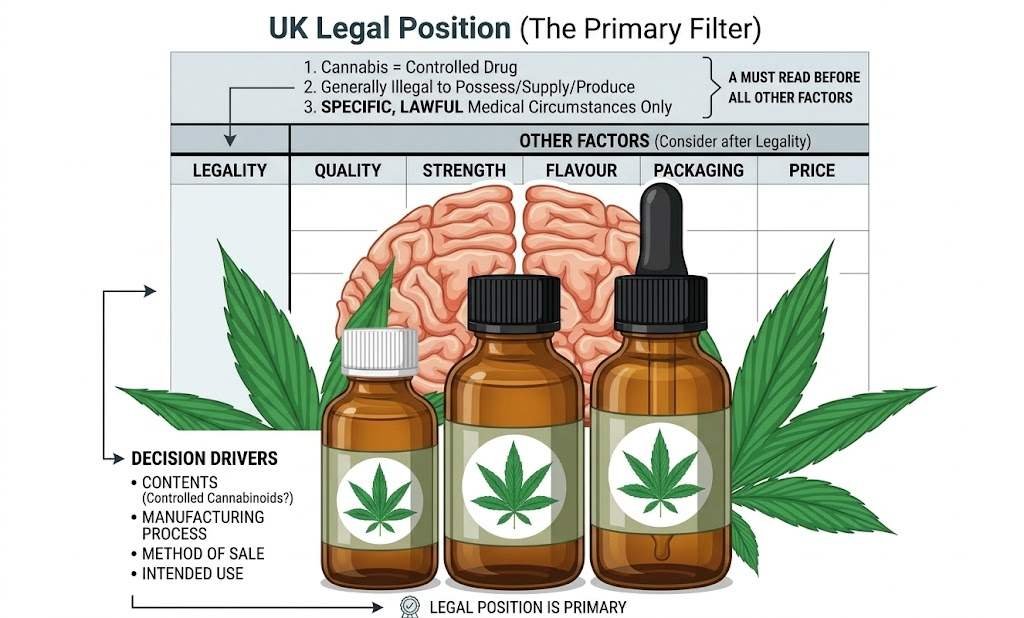
Before thinking about quality, strength, flavour, packaging, or price, UK readers need to understand the legal side.
Cannabis is a controlled drug in the UK. It is generally illegal to possess, supply, produce, or share cannabis unless it is used in specific, lawful medical circumstances. This means UK readers should be very careful with online content that talks casually about buying cannabis as if it were a normal lifestyle product.
A product may be described as natural, plant-based, premium, European, hemp-derived, or wellness-focused, but those words do not decide whether it is legal in the UK. The legal position depends on what the product contains, how it is made, how it is sold, and whether it includes controlled cannabinoids.
Medical Cannabis Is Different From Online Cannabis Products
Medical cannabis exists in the UK, but it is not the same as buying cannabis products from ordinary websites.
Cannabis based medicines may be prescribed in limited situations by specialist doctors. This is usually for specific medical conditions where other treatments have not worked or are not suitable. It is not the same as general consumer access.
UK readers should be especially careful with online products that appear to suggest medical benefits without proper evidence or regulation. If a product claims to help with pain, anxiety, sleep, appetite, mood, inflammation, focus, or any medical condition, that claim should be treated with caution.
If someone is considering cannabis for health reasons, the safest route is to speak with a qualified healthcare professional rather than relying on product pages, forums, influencers, or online reviews.
CBD Is Not the Same as Cannabis
CBD is one of the best-known cannabinoids. It is often sold in oils, capsules, gummies, drinks, skincare products, and food supplements. However, CBD products can still raise legal and safety questions.
Pure CBD itself is not controlled in the same way as cannabis. Still, consumer CBD products can become legally risky if they contain controlled cannabinoids such as THC or other restricted compounds. This is why product testing and legal compliance matter so much.
A label that says CBD, hemp, full spectrum, broad spectrum, or cannabinoid blend does not tell the whole story. UK readers should ask what the product actually contains, whether it has been tested, whether the testing is recent, and whether it meets UK requirements.
The modern landscape of cannabis
The modern landscape of cannabis is much broader than it used to be. Consumers now see terms such as CBD, CBG, CBN, hemp extract, terpenes, full-spectrum formulas, broad-spectrum formulas, and newer cannabinoid blends. Some consumers also discuss different consumption methods, such as smoking, vaping, edibles, tinctures, and other inhalation methods, including the use of bubblers, which are designed as an alternative way to consume cannabis.
This wider market can be confusing. Some products are marketed as wellness items. Some are promoted as advanced cannabinoid formulas. Others use scientific-sounding language without giving enough clear evidence.
For UK readers, the safest approach is to slow down and read carefully. A product should not be trusted simply because the website looks professional or the wording sounds modern. Good information should be clear, specific, and easy to verify.
Be Careful With Strong Claims About New Cannabinoids
Newer cannabinoids are often promoted with bold language. Phrases such as innovative energy of THC-V can sound exciting, but UK readers should treat this kind of wording carefully.
Marketing language is not the same as medical evidence. A claim about energy, focus, relaxation, calmness, sleep, or mood does not prove that a product is safe, legal, or suitable for you.
This is especially important because some cannabinoids may fall under controlled drug rules. If a product contains THC-related compounds or claims strong psychoactive effects, UK readers should be cautious and check the legal position before trusting the product.
Why Vendor Claims Should Be Treated Carefully
Online shops often use confident language to make their products sound premium. Readers may see vendor names such as Kratomit presented in promotional content, but a named seller alone does not prove safety, legality, or product quality.
A responsible UK reader should not judge a cannabinoid product by branding alone. The important questions are more practical.
Does the product explain its ingredients clearly? Does it provide batch testing? Does it avoid exaggerated health claims? Does it explain legal compliance for UK consumers? Does it give safety warnings? Does it provide responsible age controls? Does it make it easy to contact the business?
If those details are missing, the product deserves caution.
CBD Food Products Have Their Own Rules
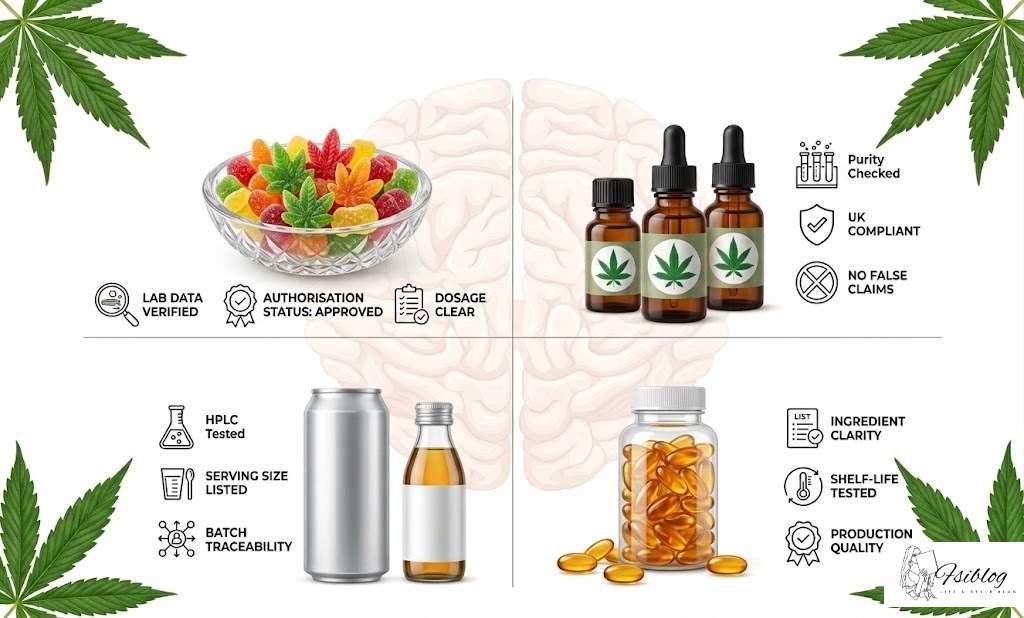
Many CBD products are sold as foods or supplements. This can include gummies, drinks, oils, drops, and capsules. In the UK, CBD food products are treated as novel foods, which means they need proper authorisation before they can be legally sold.
This matters because a product may look ordinary, but it can still raise regulatory questions. A sweet, drink, oil, or capsule containing CBD is not automatically acceptable just because it appears on a website.
UK readers should be careful with products that do not explain their food safety status, do not show clear lab results, or make strong health claims.
Lab Testing Is One of the Most Important Checks
Lab testing is essential because it helps show what is really inside a product. Without reliable testing, consumers cannot easily know whether the label is accurate.
A responsible product should have testing information that is clear and relevant to the exact batch being sold. The lab report should show cannabinoid levels, possible contaminants, and testing dates. It should come from a credible independent laboratory rather than only from the seller’s own marketing material.
Testing is important because poorly controlled products may contain unexpected THC, synthetic cannabinoids, solvents, pesticides, heavy metals, or inaccurate strength levels.
Packaging and Labelling Should Be Clear
Good packaging should do more than look attractive. It should help the reader understand the product.
A responsible label should clearly show the ingredient list, cannabinoid content, batch number, serving guidance, safety warnings, business details, storage instructions, and any relevant age restrictions.
If the label uses vague wording such as premium blend, advanced formula, legal high, natural strength, or maximum potency without clear details, readers should be careful. Vague language can hide important information.
Avoid Products That Make Medical Promises
A major warning sign is a product that claims to treat, cure, prevent, or manage a health condition without proper medical approval.
Readers should be careful with claims linked to anxiety, depression, pain, sleep problems, inflammation, appetite, focus, stress, or chronic illness. These claims may sound helpful, but they can mislead people who need proper medical support.
Similar concerns apply to experimental substances outside the cannabinoid market. For example, TB500 peptide is sometimes promoted online for tissue repair, recovery, and healing. However, reliable human clinical evidence remains limited, and these claims should not be confused with medically approved treatments. Consumers should carefully assess the evidence and regulatory status before trusting such products.
Anyone with a health condition, anyone taking medication, anyone pregnant or breastfeeding, and anyone under 18 should not use cannabinoid products without appropriate professional advice.
Imported Products Can Be Risky for UK Readers
Some websites may sell cannabinoid products from outside the UK. These products may follow different rules in the country where they are made or sold. That does not mean they are legal to import, possess, or use in the UK.
A professional-looking overseas website does not remove UK legal risk. International shipping, European branding, or polished packaging do not prove that a product is compliant with UK law.
UK readers should be especially careful with imported products that contain THC-related ingredients, strong cannabinoid blends, unclear lab reports, or no UK-specific safety information.
Red Flags to Look Out For
A product or website should raise concern if it avoids clear legal information, hides lab testing, gives vague strength details, or makes bold health claims.
Other red flags include pressure-based discounts, unclear company details, no batch numbers, no age checks, no safety warnings, exaggerated wellness wording, unrealistic promises, and reviews that sound too perfect.
A good question to ask is simple. Does this product page help me make a safe and informed decision, or is it mainly trying to make the product sound exciting?
A Safer Way to Read Cannabinoid Product Pages
A careful UK reader should look beyond the headline claims.
The most useful product pages explain what is in the product, how it was tested, what the serving guidance is, what warnings apply, and who should avoid it. They should not pressure readers into quick decisions.
If the product involves CBD, the page should make its compliance position clear. If it involves THC-related compounds, readers should be even more cautious because UK controlled drug rules may apply.
Why Price Should Not Be the Main Factor
Cheap products can be tempting, but price should not be the priority with cannabinoid products.
A lower price may reflect poor ingredients, weak testing, old stock, unclear sourcing, or unsafe manufacturing. On the other hand, a high price does not automatically mean better quality.
The better question is whether the product is transparent. A trustworthy product should make it easy to understand what you are paying for, what the product contains, and how safety has been checked.
What UK Readers Should Do Before Making Decisions
UK readers should always check the legal position, read the label carefully, look for independent lab testing, avoid unsupported medical claims, and consider whether professional advice is needed.
It is also wise to be cautious with social media recommendations. Influencers, review pages, and affiliate articles may not always give balanced information. Some content is written to sell, not to educate.
When health, legality, and safety are involved, slow research is better than quick trust.
Final Conclusion
Cannabis and cannabinoid products are not simple consumer goods in the UK. The law is strict, the terminology can be confusing, and online marketing can make products sound safer or more straightforward than they really are.
For UK readers, the most sensible approach is caution. Cannabis remains controlled except in specific lawful medical circumstances. CBD products have their own safety and regulatory requirements. Newer cannabinoids need careful attention because their legal status, effects, and safety profile may not be clear to ordinary consumers.
A helpful cannabis guide should not push readers toward buying. It should help them understand legality, product testing, health risks, labelling, and consumer protection. The safest decision is always the one based on verified information, lawful access, and professional advice where health is involved.
Disclaimer
This article is for general information and editorial purposes only. It does not provide legal, medical, health, purchasing, or professional advice. Cannabis is a controlled substance in the UK except in specific lawful medical circumstances. CBD and cannabinoid products may be subject to food, medicines, and controlled drug regulations depending on their ingredients and claims.
Readers should check current UK law, product status, lab testing, age restrictions, and professional medical guidance before making decisions. Anyone with a health condition, anyone taking medication, anyone who is pregnant or breastfeeding, and anyone under 18 should not use cannabinoid products without appropriate professional advice.
References
- GOV.UK. Drugs penalties. UK Government guidance. Accessed May 2026. Explains UK drug classifications and penalties, including cannabis as a Class B drug.
- GOV.UK Home Office. Drug licensing factsheet: cannabis, CBD and other cannabinoids. UK Government publication. Accessed May 2026. Explains the UK legal position on cannabis, CBD, THC, controlled cannabinoids, and cannabinoid product licensing.
- NHS. Medical cannabis and cannabis oils. NHS medicines information. Accessed May 2026. Explains medical cannabis use in the UK and warns that many cannabis based products sold online may be illegal or potentially dangerous.
- NHS England. Cannabis based products for medicinal use: frequently asked questions. NHS England guidance. Accessed May 2026. Explains how cannabis based products for medicinal use are defined and how prescribing works in NHS and private medical settings.
- Food Standards Agency. Cannabidiol CBD guidance. Last updated 1 May 2026. Explains CBD novel food status, CBD product authorisation, and business responsibilities in the UK market.
- Food Standards Agency. Food Standards Agency and Food Standards Scotland update consumer advice for CBD. Last updated 12 October 2023. Provides consumer advice on CBD intake and identifies groups who should avoid CBD unless advised by a medical professional.