
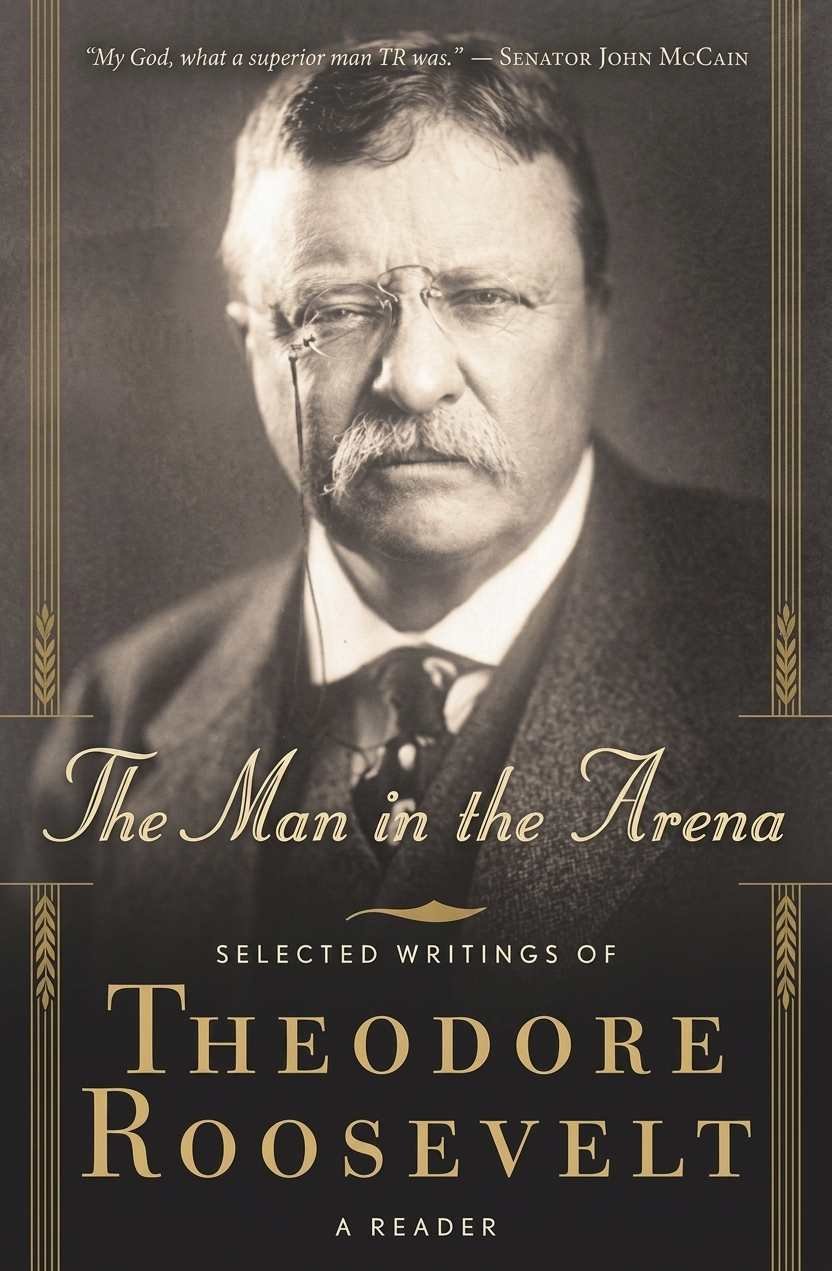
Description
What The Man in the Arena Taught Me About Effort
I would recommend The Man in the Arena to readers interested in Roosevelt’s ideas about courage, citizenship and effort. The collection goes beyond the famous passage about the critic and the person doing the work. It shows how Roosevelt connected character with action, responsibility and a preparedness to risk failure.
What I Learned and Why It Mattered
My strongest lesson was that criticism carries different weight according to its source. Advice from someone who understands work can be valuable. Casual judgement from someone taking no risk should not control me. This helped me separate useful feedback from noise.
My Let Them book review also considers energy wasted managing other people’s opinions. Entering the arena does not guarantee approval. It means accepting that visibility, mistakes and disagreement are part of attempting something meaningful.
I learned that failure isn’t automatically admirable. Roosevelt’s argument concerns a worthy cause, not action without thought. Effort needs preparation, responsibility and a reason. Otherwise, daring greatly can excuse recklessness or refusing to learn.
This connects with building confidence through daily habits. Confidence grows when I practise, review and return with better judgement. Repeated action matters, but so does correction.
The selections also made me think about citizenship and service. Roosevelt expected character in ordinary duties and public moments. I took that as a signal that those values are most convincing when they shape behaviour consistently, not only during dramatic challenges.
Who Should Read It
This collection will suit readers interested in leadership, American history, public service and motivational writing with historical background. It may also help anyone delaying a project because criticism or imperfect results feel frightening.
It is not a modern self-help book. Roosevelt wrote from a particular political period, and some language, assumptions and viewpoints can feel dated or incomplete. I would read the pieces critically rather than treating every statement as an eternal rule.
Readers working on emotional boundaries may connect with The Four Agreements, particularly its ideas about not taking every reaction personally. However, ignoring all criticism would miss the point. The better habit is deciding which voices have knowledge, honesty and an authentic stake in the outcome.
What Stayed With Me
What stayed with me after The Man in the Arena was that participation always creates the possibility of visible failure. Standing outside can feel safer because nothing is tested. I finished the collection wanting to judge effort by the quality of the cause, the preparation behind it and the willingness to learn afterward. Its motivating message was not simply to act boldly. It was to accept the discomfort of serious effort while remaining responsible for what that effort produces.


Reviews
There are no reviews yet.