
Description
What The Four Winds Taught Me About Courage
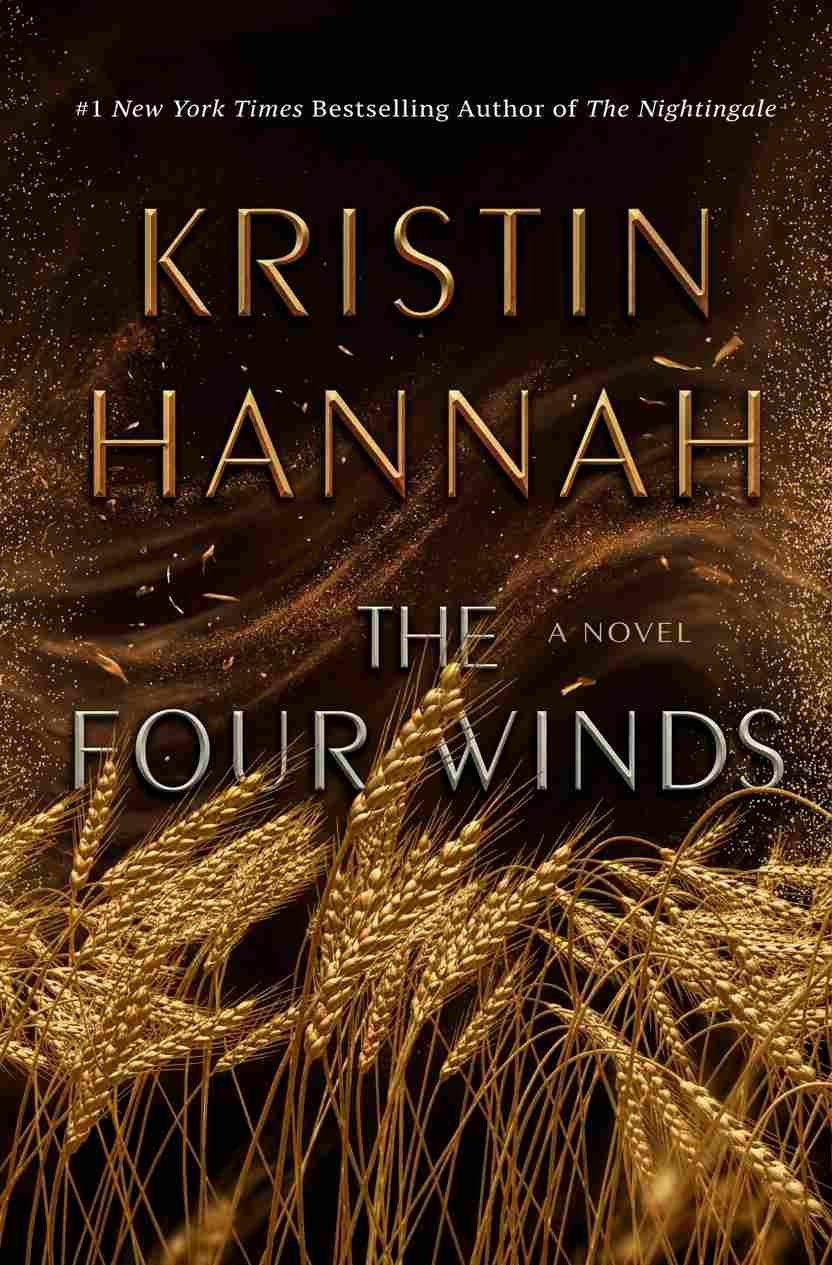
I would recommend The Four Winds by Kristin Hannah to readers who value historical fiction about difficult decisions. Elsa Martinelli’s Dust Bowl struggle is not presented as simple inspiration. Her courage grows through fear and the need to protect her children when home is no longer safe.
What I Learned and Why It Mattered
My strongest lesson was that resilience is built before it is recognised. Elsa believes she is weak and unwanted, yet hardship reveals what she can endure. She does not become fearless. She acts while frightened because waiting places her family in danger.
This connects with building confidence through daily habits, which often develops after repeated evidence that I can handle the next difficult task.
The novel changed how I view leaving. Elsa loves the Texas farm, but loyalty to a place cannot feed her children when drought destroys the land. Moving west is painful rather than exciting. Changing direction may be responsible, not proof that I failed.
I appreciated that the story does not reduce hardship to personal attitude. The migrant families face low wages, social prejudice, unsafe living conditions and systems designed to keep them powerless. Individual determination matters, but people also need impartial opportunities, community and the ability to organise. This made the book’s message about hope feel more serious than a simple instruction to remain positive.
Elsa’s choices connected with my thoughts on protecting wellbeing during tough times. Routines, support and small decisions cannot remove a crisis, but they can help a person keep functioning inside it.
Who Should Read It
This novel will suit readers who enjoy family sagas, women-centred historical fiction and stories about migration, motherhood and economic injustice. It may also speak to anyone rebuilding after losing a home, job, relationship or familiar future.
Readers should expect poverty, hunger, illness, death, labour exploitation and difficult family choices. The story is emotionally heavy and often painful and does not offer easy victories.
I recommend pairing its determination with the gentler message in Your New Now: being trapped between an old life and an uncertain future does not mean progress has stopped. Sometimes survival is progress.
What Stayed With Me
What stayed with me after The Four Winds was that fortitude can look like leaving, staying, speaking, or simply continuing for another day. Elsa’s strength mattered because it was earned through decisions rather than declared from the beginning. I finished the novel thinking less about heroic confidence and more about responsibility under pressure. Its most motivating idea was not that hardship automatically makes people stronger, but that love and community can give them reasons to keep choosing their next step.




Reviews
There are no reviews yet.