
Description
Cookbook Fat Salt Acid Heat Review for Everyday Home Cooks
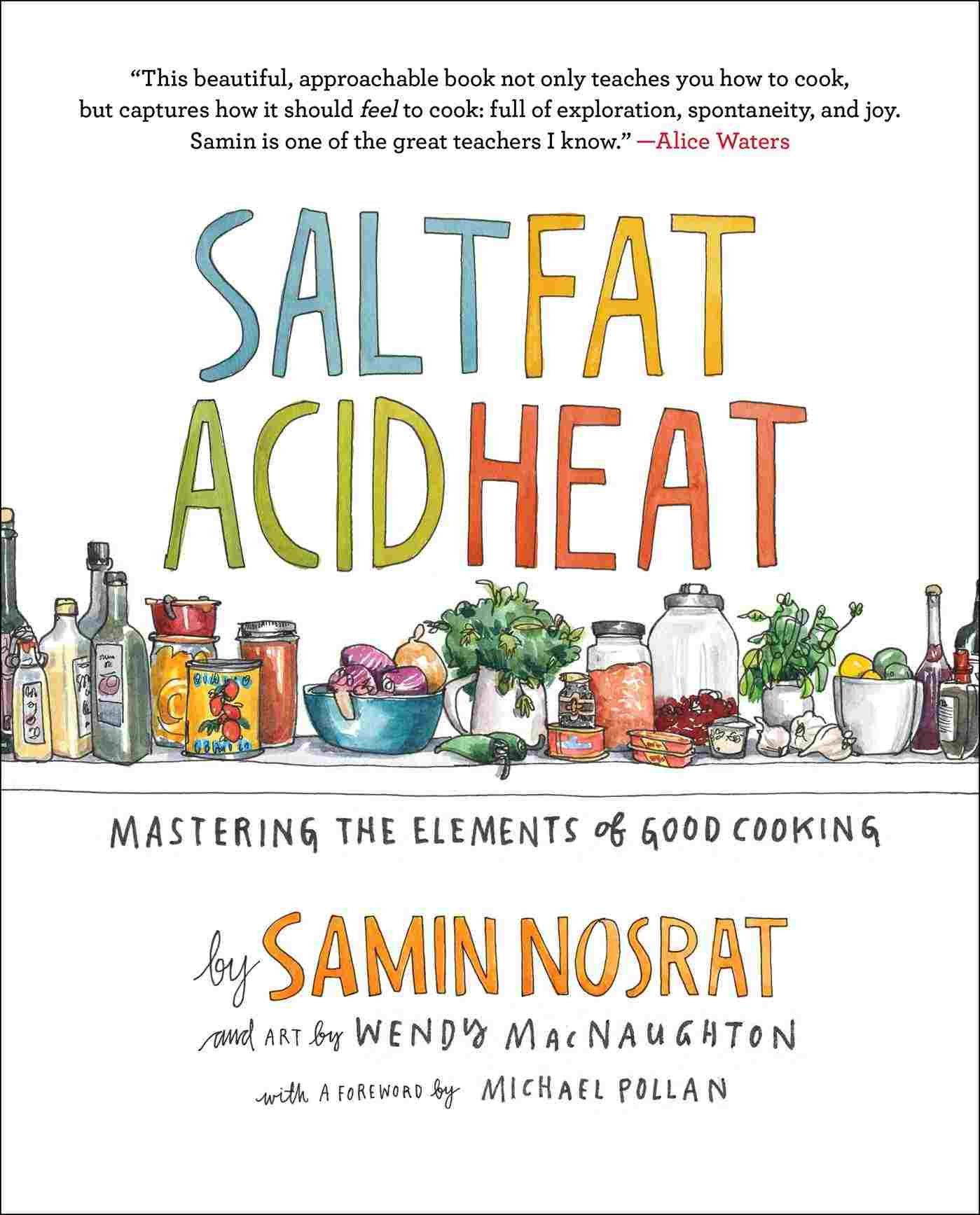
I recommend Salt, Fat, Acid, Heat by Samin Nosrat to anyone who follows recipes but still feels unsure when food tastes flat. Nosrat’s four-part framework helped me understand why a dish works rather than simply what steps to copy. Wendy MacNaughton’s illustrations also make technical ideas feel friendly and memorable.
What I Learned and Why It Mattered
My strongest lesson was that seasoning is not a rescue job. Salt changes flavour throughout cooking, so timing and distribution matter. Tasting as I cooked taught me more than adding salt at the table. I learned to adjust gradually and notice how ingredients respond.
Fat was useful because it affects both flavour and texture. Butter, olive oil and other fats are not always interchangeable. The right choice depends on the result, temperature and other ingredients. This made me think carefully instead of grabbing the same oil automatically.
The section on acid corrected a common mistake. When food tasted dull, I often assumed it needed more salt. Sometimes lemon juice, vinegar or an acidic ingredient was the missing balance. That lesson can improve inexpensive meals, which fits naturally with these budget-friendly ideas that still taste good.
Heat is presented as something to control, not simply switch on. Pan temperature, oven placement, cooking time and ingredient size all affect browning and tenderness. Recipe timing is guidance because ovens, pans and portions vary.
Who Should Read It
The cookbook fat, salt, acid method will suit beginners who want to build confidence and experienced cooks who want a language for correcting dishes. It is useful for readers who prefer understanding principles instead of depending on recipes forever.
The book is substantial, so I would not absorb everything in one sitting. I would choose one element, cook familiar meals and notice what changes. Applying its lessons to healthy meals during a busy week makes the ideas easier to remember.
Readers focused on fast recipes may find it more educational than convenient. Pairing its principles with time-saving dinner preparation can help balance skill-building with weekday limits.
What Stayed With Me
What stayed with me after using the cookbook fat, salt, acid framework was permission to trust my senses. A recipe cannot taste, smell or watch the pan for me. I need to notice what is happening and respond.
The book made cooking feel less like passing a test. Mistakes became information: too salty, too rich, too sharp or poorly browned. Once I could name the imbalance, fixing it seemed possible. That change was more valuable than memorising another collection of recipes, and it made ordinary home cooking more confident, flexible and enjoyable. That appeared practical.




Reviews
There are no reviews yet.