
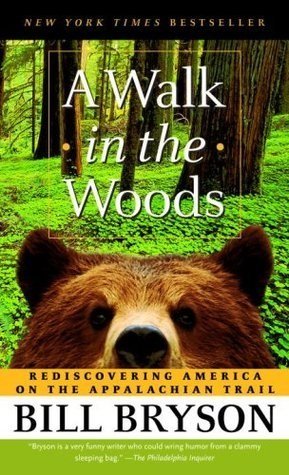
Description
Why A Walk in the Woods Stands Out Among Hiking Books
I recommend A Walk in the Woods by Bill Bryson to readers who like honest, humorous outdoor stories. Among hiking books, it appealed to me because Bryson does not pretend that walking the Appalachian Trail is effortlessly inspiring. His attempt with his friend Stephen Katz is uncomfortable and funny, making their progress feel human.
What I Learned and Why It Mattered
My strongest lesson was that an imperfect attempt can still be worthwhile. Bryson and Katz struggle with fitness, equipment, weather and each other, although the journey changes how they see the landscape and their own limits. It reminded me that self-care does not always feel calm. Sometimes it involves discomfort and accepting that progress may differ from the plan.
The book also made me think about walking as more than exercise. Moving slowly creates time to notice details, think clearly and leave everyday noise. That connects with the health benefits of regular walking, although a long-distance trail requires more preparation than an ordinary daily walk.
I appreciated their friendship because it is not presented as perfectly supportive. They irritate each other, make poor decisions and respond differently to difficulty. Still, companionship gives the journey humour and momentum. Their relationship showed me that common experiences can strengthen a friendship without removing tension.
Bryson also includes the trail’s history, ecology and conservation problems. Those sections reminded me that natural spaces are not simply backgrounds for personal adventures. They need protection, responsible behaviour and informed visitors.
Who Should Read It
This memoir will suit readers who enjoy travel writing, outdoor humour and stories about ordinary people testing themselves. It may also appeal to anyone considering how time outdoors can support wellbeing or looking for a less polished view of adventure.
I would not use it as a current hiking manual. Trail conditions, safety advice, access rules and recommended equipment can change, so practical plans should be checked with official sources. Readers expecting step-by-step guidance may prefer a dedicated modern guide.
It is especially useful for people who postpone experiences until they feel completely prepared. The story does not suggest ignoring risk. Instead, it shows that preparation and uncertainty can exist together, a lesson that also appears in my reflections on memorable travel experiences.
What Stayed With Me
What stayed with me was the contrast between the grand trail and two very imperfect walkers. Among hiking books, this one feels memorable because it allows wonder, frustration, friendship and failure to share the same path. I finished it wanting to walk more at my pace, notice my surroundings carefully and treat incomplete progress as something that can still matter.




Reviews
There are no reviews yet.