
Description
Attached: Book Review and Lessons for Healthier Relationships
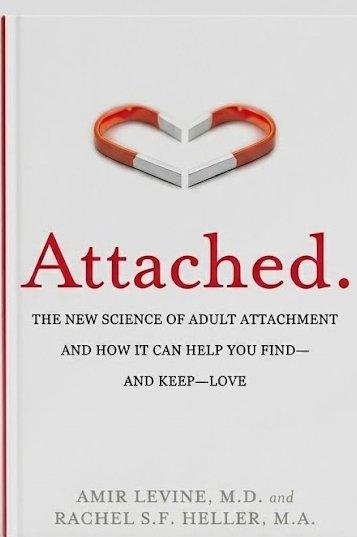
I recommend Attached by Amir Levine and Rachel Heller to readers who notice repeated confusion in romantic relationships. Their guide explains adult attachment through three main patterns: secure, anxious, and avoidant. I found the framework useful for naming reactions that can feel personal or unpredictable.
What I Learned and Why It Mattered
My strongest lesson was that needing closeness does not make someone demanding. A person with anxious tendencies may seek reassurance because distance activates fear, while an avoidant partner may protect independence by withdrawing. Seeing the pattern helped me separate emotional needs from the shame often attached to them.
The book also made me reconsider the excitement called chemistry. An anxious and avoidant pairing can create intense highs and lows, but intensity is not always compatible. Waiting for messages, reading interpretations into silence, and feeling relieved after uncertainty may feel powerful without creating a secure relationship.
I appreciated the emphasis on communicating needs directly. Asking for steadiness, affection, or time together gives another person useful information. Their response also reveals whether they are willing and able to meet those needs. This connects with the value of honest conversations in relationships, particularly when assumptions have replaced discussion.
The advice on boundaries mattered too. Understanding why someone withdraws does not require me to accept disrespect or uncertainty. These lessons about healthy personal frontiers reinforce that compassion and self-protection can exist together.
Who Should Read It
The attached book may help people who become preoccupied with a partner’s attention, repeatedly choose emotionally unavailable partners or struggle to explain their need for space. It can also give couples a shared vocabulary for discussing patterns without immediately blaming each other.
I would read its categories as starting points rather than permanent identities. People can behave in different ways across relationships, and one label cannot explain trauma, personality, culture or every conflict. The book is popular psychology, not an assessment tool or replacement for qualified relationship support.
Readers working on self-worth may also value these small daily acts of self-love. A secure relationship should not require abandoning personal needs to keep another person close.
What Stayed With Me
What stayed with me after the attached book was the significance of consistency. Grand romantic gestures matter less when everyday contact remains unreliable, confusing, or dismissive. Security is often built through smaller actions: responding, listening, keeping promises and repairing misunderstandings.
I finished with a clearer question for relationships. Instead of asking only whether the attraction feels strong, I can ask whether the connection allows honesty, steadiness and mutual care. That shift seemed realistic and genuinely useful because it focuses on how a relationship functions, not simply how exciting it appears.




Reviews
There are no reviews yet.