
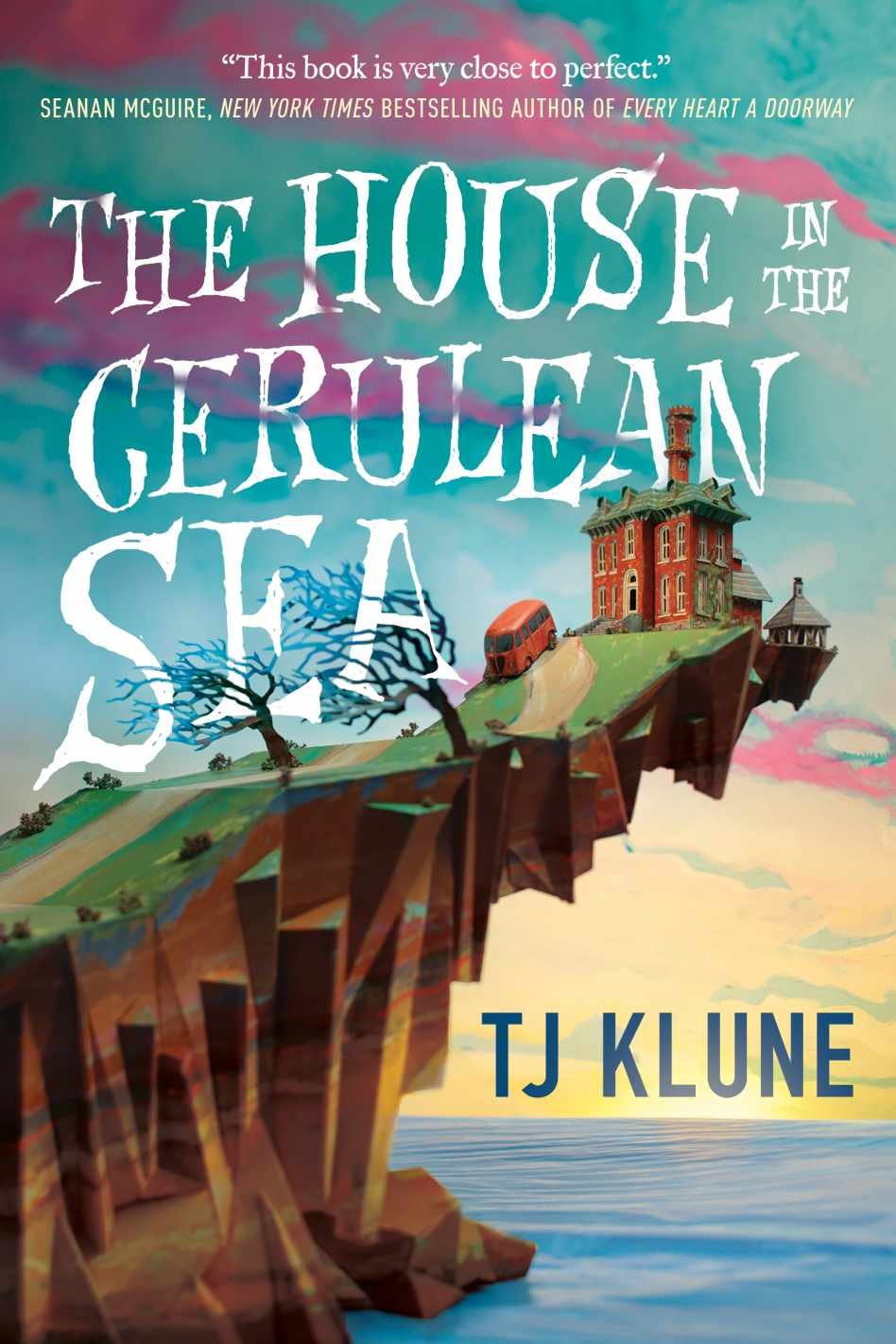
Description
What The House in the Cerulean Sea Taught Me
I recommend The House in the Cerulean Sea by TJ Klune to readers who enjoy warm fantasy about belonging. Linus Baker follows rules, but an assignment at an island orphanage forces him to question the system he serves and the labels placed on magical children.
What I Learned and Why It Mattered
My strongest lesson was that following procedure is not the same as doing right. Linus believes careful reports make him fair. Meeting the children reveals how language can hide prejudice and turn fear into policy.
The children are described as dangerous before Linus meets them, so their reputations arrive before their personalities. Listening to their fears, jokes and hopes gives him information that files cannot provide. This connects with how perspective-taking builds empathy, particularly when adults make decisions affecting young people.
I also valued the treatment of chosen family. Arthur, the children and the island residents create safety through patience, consistency and protection. They are not a conventional family, but they offer the acceptance missing from the wider world. That reminded me of my My Friends book review, where belonging also grows through everyday loyalty rather than shared names.
Linus changes, which made his development believable. He first notices contradictions, then questions instructions and finally accepts responsibility for his choices. I took this as a signal that courage can begin when discomfort becomes harder to ignore than obedience.
Who Should Read It
This novel will suit readers who enjoy cosy fantasy, gentle romance, eccentric characters and found family. It may also appeal to adults working within institutions where rules can become more important than the people they should protect.
The story is hopeful and humorous, but it still deals with discrimination, isolation and fear of difference. Its moral message is deliberately clear. Readers who prefer morally complex fantasy or delicate social commentary may find parts too neat.
I recommend it to anyone learning that kindness needs boundaries and action. Caring about people is not enough when a harmful system remains unchallenged. My thoughts on setting compassionate boundaries felt relevant because protecting others sometimes requires a firm refusal.
What Stayed With Me
What stayed with me after The House in the Cerulean Sea was the idea that home is created through safety, trust and being known properly. The magical setting made the story charming, but its emotional value came from ordinary care. I finished it thinking about how people are judged through rumours, paperwork or fear before receiving a genuine chance. The book’s warmth worked for me because it asked a serious question: when rules harm vulnerable people, what am I prepared to do differently?




Reviews
There are no reviews yet.