
Description
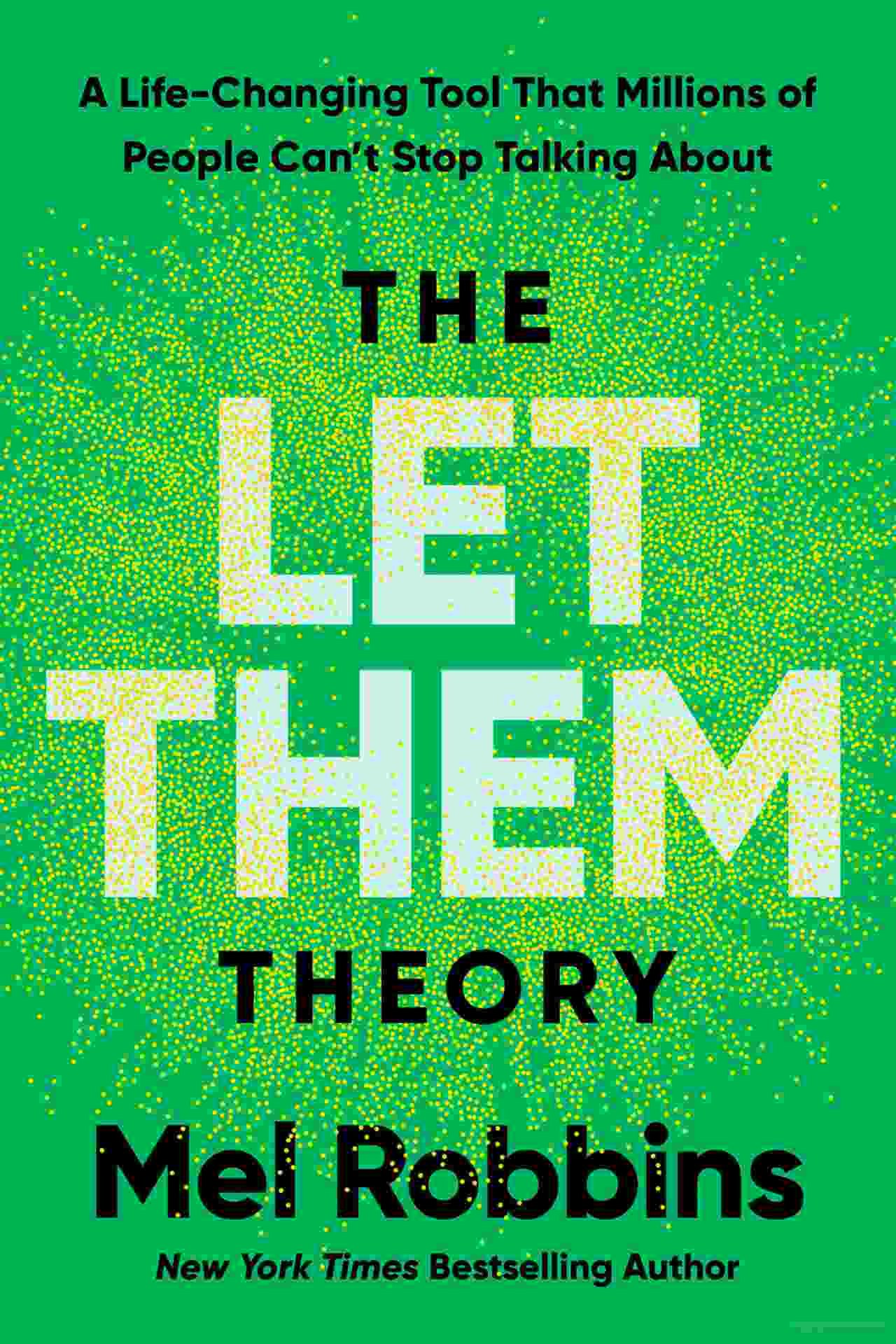
I would recommend the Let Them book by Mel Robbins to anyone tired of managing other people’s choices or opinions. Its idea interested me: allow people to be themselves, then decide how I want to respond. It sounded obvious, but it showed how often I spend energy on things I cannot control.
What I Learned and Why It Matters
My main lesson was that letting go of control is not giving up. “Let Them” creates space for another person to choose or react, while “Let Me” returns attention to my own decision. I cannot control someone’s approval, but I can decide if it stops me from doing something important.
That distinction challenged how I view rejection. When someone leaves me out or changes their mind, I might look for reasons or try to win them over. The book helped me see their behaviour as useful information. I can accept what they show me and choose my next step without treating the situation as a judgement of my worth.
I also found this helpful for relationships. Giving people room to have their feelings does not mean I have to accept disrespect. I can listen without trying to fix every emotion, while still deciding what treatment I will accept. That fits naturally with protecting my time and energy through boundaries.
The same lesson applies at work. I cannot control a colleague’s pace, attitude or opinion. I can communicate clearly, complete my part and address real problems directly. This feels calmer than carrying responsibility for everyone. It also supports confidence built through small daily habits because self-trust grows when I act in line with my values instead of waiting for approval.
Why You Should Give This a Read
This book will help people-pleasers, overthinkers and anyone who feels responsible for keeping everybody happy. Parents, partners, friends and managers may find it useful because it separates support from control.
The idea is easy to remember during an awkward conversation, a disappointing invitation or a tense workday. However, I would not use it as permission to ignore harmful behaviour, avoid necessary discussions or become indifferent. For me, its value lies in choosing where my effort can genuinely help. Pairing that choice with tiny acts of self-love can make the lesson practical rather than merely comforting.
Final Thoughts
What stayed with me after the Let Them book was the notice that my attention is limited. I do not need to spend it persuading everyone to understand, approve of or behave exactly as I hope. I can allow people their choices and take responsibility for mine. That shift feels realistic, useful and freeing, which is why I found the book worthwhile.




Reviews
There are no reviews yet.