
Choosing an architect is not about picking a “style”. It is about choosing a process that can carry your project from first options to a clean build on site. In London, constraints appear quickly – neighbour impact, planning policy, heritage sensitivity, access, party walls, and build logistics. The right questions help you spot whether a practice is structured enough to manage those realities without diluting design quality.
If you want a benchmark for how a residential studio frames that process, look at Armstrong Simmonds Architects.
1. How will you test feasibility before we commit to a design?
A good architect does not start by “drawing something nice”. They start by proving what is possible on your site. That means confirming the constraints early: planning context, neighbour impact, daylight and privacy, access, structural realities, and any heritage requirements. You should expect options – not a single direction – so you can weigh trade-offs before a layout becomes emotionally “locked in”.
2. What does your process look like, and what will we receive at each stage?
You are not buying a drawing set. You are buying a sequence of decisions. Ask what you will receive at key points: feasibility options, concept plans, visuals, a planning submission pack, technical drawings suitable for building control, and tender information that contractors can price accurately. Clear stage outputs also make it easier to compare architects properly – not just on fee, but on what is included and how risk is managed.
3. How will you manage planning risk and neighbour impact?
In London, planning is rarely “one form and done”. It is policy, context, and presentation. Ask how the architect will justify massing, privacy, and daylight, and how they handle neighbour-facing elevations. If your street has a consistent roofline or a typical pattern of rear extensions, the design narrative should respond to that context rather than fight it without reason. The strongest teams also know when a quiet pre-application conversation can surface issues early and reduce the chance of a refusal.
4. How will you keep costs realistic as the design develops?
Early budgets are often misleading when the design has not been tested against buildability. Ask how cost checks happen, how specification is set, and what triggers redesign versus controlled adjustment. A strong answer includes practical decisions: structural logic, services routes, material strategy, and how junctions are detailed so the project can be built without improvisation. This is where many “beautiful” concepts fail – not in planning, but in the gap between drawings and site reality.
5. Who is responsible for quality control during construction?
Many clients assume the biggest risk ends at planning approval. In practice, the build phase is where quality can be lost through substitutions, unclear details, or rushed decisions. Ask whether the architect provides contract administration, what site involvement looks like, how variations are assessed, and how critical junctions are protected. Good construction-stage support does not create friction – it prevents avoidable mistakes, keeps decisions recorded, and protects the intent when the programme accelerates.
Why these questions matter more than portfolio images
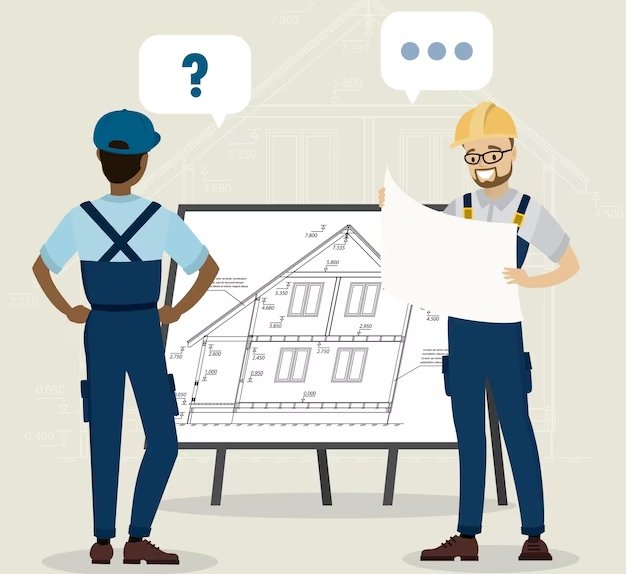
Portfolios show outcomes, but not how those outcomes were achieved. The questions above reveal whether the architect can manage uncertainty, communicate clearly, and make decisions in the right order. If the answers are specific, stage-led, and grounded in delivery, you are likely speaking to a team that can carry your project with control. If the answers are vague, or jump straight to inspiration boards and finishes, you may be heading into a process where costs and timing are decided for you.
In a city where small design moves can trigger big planning consequences, good communication and disciplined staging are not “nice to have” – they are the difference between momentum and months of redesign. Use these five questions in your first call, and you will quickly see whether the practice is set up for London reality, not just good-looking visuals.
Final Conclusion
Choosing the right architect is about more than liking their past projects. It is about understanding how they think, plan, and manage a project from start to finish. The right questions help you see if they can handle planning rules, control costs, protect design quality, and guide the build properly.
A strong architect will give clear answers, explain each stage simply, and show how they reduce risk before problems appear. If their process is organised and practical, your project is far more likely to move forward smoothly.
Before you begin, take time to ask these five questions. Clear answers at the start can save you time, money, and stress later.