
Big events may feel well-organised inside, but disorganised outside without transport and parking plans. Arrivals and departures affect visitors as much as programming. If individuals struggle to find their way, streets become crowded, or cars obstruct entrances, pre-event tension may escalate.
Event staffing solutions guarantee transit works. Even the best designs require people on the ground to control traffic, answer questions, and adjust traffic patterns in real time. Mobility should be clear, safe, and predictable for thousands of individuals.
Plan Guests and Logistics
Before arranging travel, you should know your audience. Vehicles, ride-hailing services, public transportation, buses, VIP vehicles, vendors, and workers all create different requirements and contribute to busy locations. Business relies on parking if many people drive. Congestion reduces when most people use trains, but an increase in walking can put additional pressure on the system.
Know the guests’ arrival. Your design must handle peaks, not averages, because many people arrive at once. Test your system during busy hours when people are confined and confused.
Different Vehicles Need Pathways
Using the event as a travel network works. Vehicle types should have distinct routes, entry points, and holding areas. Everyone else should avoid VIP drop-off lanes. Special autos should be separated from suppliers and the manufacturing cars. Coaches and ride-hailing zones need clear turns.
Separating pathways relaxes the system since each group follows a constant path. Clear directions prevent guesswork and improve staff performance.
Pre-Plan Event Parking
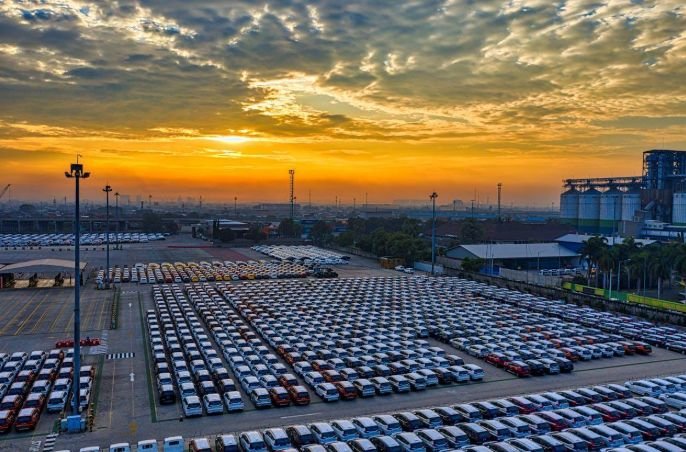
Parking control is often lost at events. Without clear guidance, automobiles will stop in dangerous areas, block intersections, or form unofficial lines that grow quickly. Better to set up parking places with clear rules and tell people.
Attendees are informed where to go, what to expect, and how long the walks may be. Match event parking lots by ticket type or arrival time. Stop acting like “everyone goes to the closest gate”, which slows things down.
Highway-Readable Signs
Many events use signage that is clear when stationary but unreadable when in motion. To help drivers make safe choices, transportation signs should be clear and displayed early. Unexpected signs cause vehicles to shift lanes, brake firmly, and back up traffic.
Consistency is important. Discuss the same topics and use the same names on emails, tickets, and signage. Despite signs reading “Blue Entrance”, the papers list “Gate B”. These errors will confuse personnel before they help.
Collaborate with Neighbours and Authorities
Collaborative efforts reduce community stress during major events. Early consultation with the local government can ensure your traffic plan meets road requirements, emergency access needs, and temporary remediation requirements. Companies and neighbours should be prepared, especially in areas with parking concerns.
Neighbourhood collaboration can be risk management. Understanding your plan boosts stakeholder support. The process also reduces last-minute objections or constraints that require method changes.
Work at “Decision Points”, Not Gates
Even the best plans fail due to poor comprehension. At crossroads, parking lot entrances, station exits, shuttle stops, and pedestrian crossings, staff should assist customers in making decisions. Here, uncertainty becomes traffic.
Ensure that staff are informed about the entire trip, not just their specific tasks. They lead wisely and make clear decisions once they understand the system, which reduces friction. Radios and escalation procedures are essential for addressing transport issues promptly and avoiding in-house repercussions.
A Smooth Exit, A Stronger Event
When transportation and parking are as well planned as the event, attendees arrive calmer, move confidently, and leave safely. Even under pressure, guests have a better experience, and planners have more control.
Final Conclusion
Transportation and parking are not side details of an event, they shape the entire guest experience from arrival to departure. Clear planning, well-trained staff, readable signage, and coordination with local authorities prevent confusion, congestion, and frustration. By designing separate pathways, managing peak arrival times, and placing informed staff at key decision points, organisers maintain safety, flow, and control. When mobility works smoothly, guests feel confident, neighbours remain supportive, and the event leaves a positive, professional impression long after the final exit.