
Garden rooms have become one of those things you start noticing everywhere. A neighbour installs one at the end of their garden, a friend turns theirs into a home office, and suddenly it feels like a smart way to gain extra space without the cost or hassle of moving.
On the surface, it seems simple. Choose a design, have it installed, and start using it. But one of the first and most important questions is whether you need planning permission.
The answer is not always straightforward, especially in the UK, where rules depend on several factors. Understanding those early on will help you avoid costly mistakes and delays.
Why Garden Rooms Are So Popular in the UK
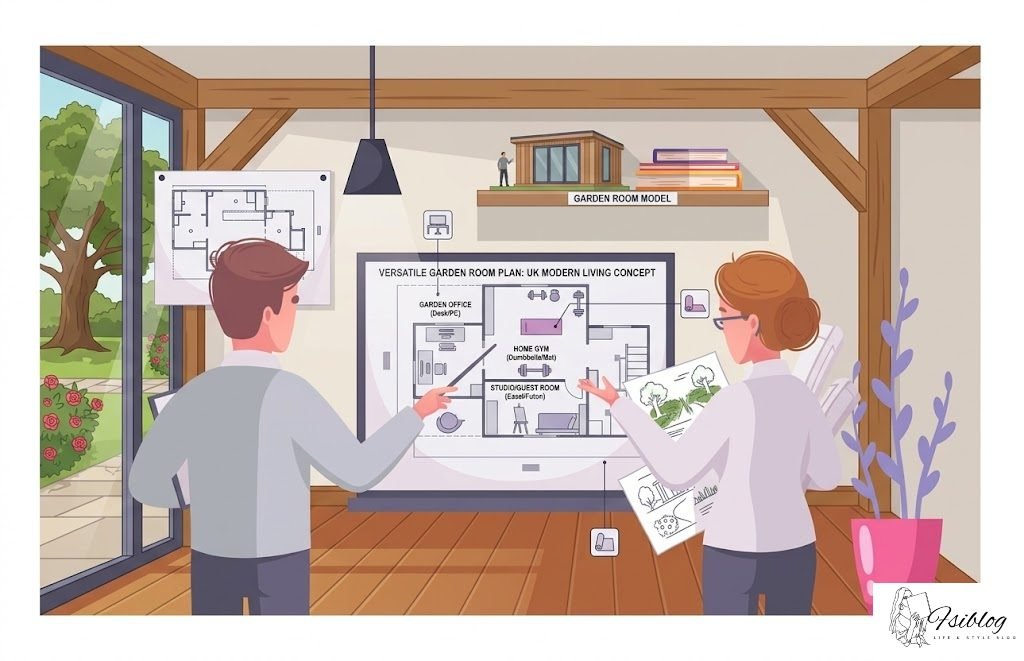
Garden rooms have grown in popularity for good reason. They offer a practical solution to modern living needs without major disruption.
Key benefits include:
- Extra space without extending your home
- Faster build times compared to traditional extensions
- Minimal impact on your daily routine
- Flexible use over time
Many UK homeowners now use garden rooms as home offices, especially with remote and hybrid work becoming more common. Others turn them into gyms, studios, relaxation spaces, or guest rooms.
This versatility makes them a valuable addition to almost any property.
Understanding Permitted Development Rights
In many cases, you will not need formal planning approval because garden rooms can fall under permitted development rights.
This allows certain building work to be carried out without submitting a full planning application, as long as strict rules are followed.
Here are the main conditions you need to meet:
1. Size and Coverage
- Garden buildings must not take up more than 50 percent of the total land around your house
- This includes sheds, extensions, and any other outbuildings
2. Height Restrictions
- Maximum height of 2.5 metres if the building is within 2 metres of a boundary
- Up to 4 metres for dual-pitched roofs if placed further away
- Up to 3 metres for flat or mono-pitched roofs
3. Location
- Must be located behind your main house
- Cannot be built in front of the principal elevation
4. Intended Use
- Must be used for incidental purposes, such as:
- Home office
- Gym
- Hobby room
Using a garden room as a self-contained living space with sleeping, cooking, and bathroom facilities may require approval.
When Planning Permission Is Required
There are situations where you are more likely to need approval. These are often where homeowners get caught out.
You may need permission if:
- Your property is a listed building
- You live in a conservation area, national park, or Area of Outstanding Natural Beauty
- The structure exceeds permitted height or size limits
- The building is positioned at the front of your property
- Previous developments have already used up your permitted development allowance
In these cases, local councils tend to apply stricter controls to protect the character of the area.
Building Regulations: Often Overlooked
Even if planning permission is not required, building regulations may still apply.
This is especially important if your garden room includes:
- Electrical installations
- Plumbing
- Heating systems
- Sleeping accommodation
For example, electrical work must comply with UK safety standards, and insulation should meet efficiency requirements if you plan to use the space year-round.
Skipping this step can lead to safety risks and legal issues later.
Common Mistakes to Avoid
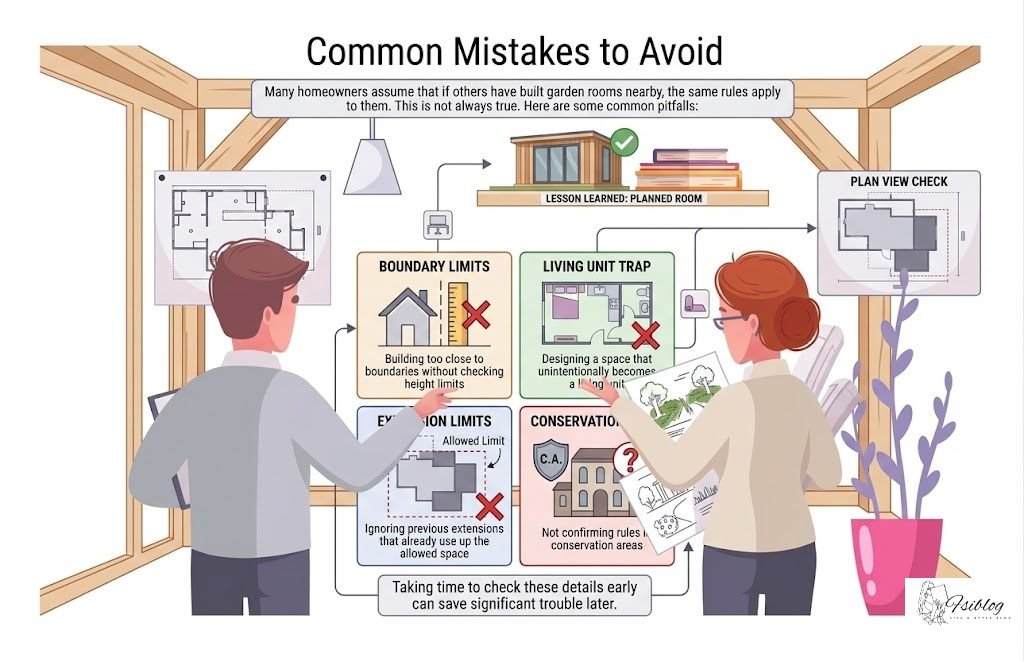
Many homeowners assume that if others have built garden rooms nearby, the same rules apply to them. This is not always true.
Here are some common pitfalls:
- Building too close to boundaries without checking height limits
- Designing a space that unintentionally becomes a living unit
- Ignoring previous extensions that already use up the allowed space
- Not confirming rules in conservation areas
Taking time to check these details early can save significant trouble later.
How to Check Before You Build
If you want to be confident your project complies with UK regulations, take these steps:
- Contact your local planning authority for guidance
- Request a Lawful Development Certificate for peace of mind
- Speak to experienced garden room suppliers who understand UK rules
- Review official government planning guidance online
A Lawful Development Certificate is not mandatory, but it can be very useful when selling your home as proof that everything was done correctly.
Thinking Beyond Planning Rules
Planning is just one part of the process. To get the most value from your garden room, consider how you will use it long term.
Think about:
- Insulation for year-round comfort
- Electricity and lighting for usability
- Internet connection for work or entertainment
- Access and pathways in all weather conditions
- Security features for storing valuable equipment
Designing with flexibility in mind ensures your space remains useful even as your needs change.
Final Thoughts
Garden rooms are one of the most effective ways to add functional space to your home without major building work. For many UK homeowners, they can be built without formal permission, provided they meet permitted development rules.
However, it is not something to assume.
By understanding the regulations, checking your specific situation, and planning carefully, you can avoid unnecessary complications and move forward with confidence.
Done right, a garden room is not just extra space. It is an investment in how you live, work, and relax every day.