
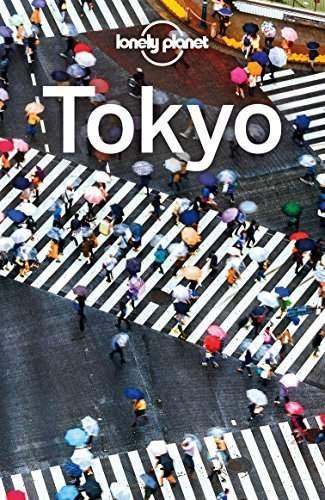
Description
Lonely Planet Tokyo Book Review
I would recommend this guide by Rebecca Milner and Simon Richmond to anyone planning their first visit to Tokyo and feeling overwhelmed by the city’s size. Lonely Planet Tokyo interested me because it turns a huge destination into neighbourhoods, routes and manageable decisions. I wanted help understanding where places sit in relation to one another, not another list of sights.
What I Learned and Why It Matters
My biggest lesson was that a city itinerary should be organised geographically. Tokyo has many districts, and crossing the city repeatedly can waste time. Grouping nearby sights, meals and evening plans makes a day calmer and leaves room for unexpected stops.
The guide also reminded me that transport is part of planning. Knowing which area I want to visit is the beginning. I also need to consider the station, exit, walking distance and how the journey fits with the day. My Tokyo guide for first-time visitors supports the same practical approach.
I also valued understanding a place beyond its landmarks. Information about food, customs, history and neighbourhoods can help me decide choices that fit my interests. A famous attraction may be worthwhile, but it should not take priority over a quieter place that suits me better.
I also learned to treat travel information as a starting point rather than a guarantee. This Goodreads edition was published in 2017, so opening hours, prices, businesses and booking systems may have changed. I would use its maps and cultural context, then confirm important details through official sources before travelling.
Why You Should Give This a Read
This guide would benefit independent travellers who want structure without joining a tour. It can help with comparing districts, building realistic days and deciding which experiences deserve time and money.
It is also useful for readers who overfill an itinerary. My travel planning lessons remind me that leaving free time can make a trip more enjoyable. A guide should help me choose, not pressure me to see everything.
I recommend pairing it with preparation, including my city-break packing approach. Comfortable clothing and sensible shoes matter when a city involves long days of walking and station changes.
Final Thoughts
For me, Lonely Planet Tokyo was worthwhile because it made a complicated city easier to organise without making it feel predictable. What stayed with me was the importance of planning by area, understanding the local context, and accepting that no guide can replace current checks.
I would keep this book for ideas, maps and background rather than rely on every listing. Its real value is helping me ask better questions before I arrive and build a Tokyo visit around what really interests me.





Reviews
There are no reviews yet.