
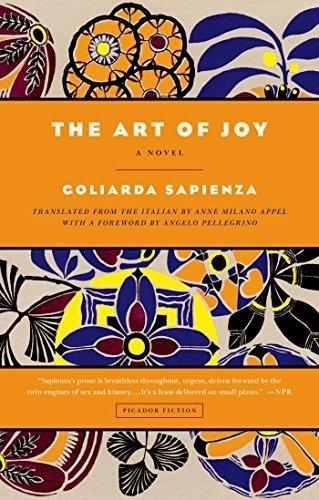
Description
The Art of Joy Review: Freedom, Power and Moral Choices
I recommend The Art of Joy by Goliarda Sapienza to readers who enjoy challenging historical fiction and morally complicated women. Translated by Anne Milano Appel, the novel follows Modesta from an impoverished childhood in Sicily through decades of political and social change. Her willpower is compelling, but her choices are troubling.
What I Learned and Why It Matters
My strongest lesson was that freedom and goodness are not the same. Modesta refuses the narrow roles offered to women, seeks education and controls her future. I admired her refusal to accept powerlessness, yet I could not excuse her manipulation or harm.
That tension made the book valuable. It asked whether breaking unfair rules makes every act of insubordination acceptable. My answer was no. Independence deserves respect, but another person’s freedom, safety and dignity still matter.
I also thought about how confidence can grow from action. Modesta learns because she watches people, understands systems and acts before permission arrives. This connects with building confidence via consistent daily habits. However, self-belief becomes dangerous without accountability.
The novel shows how class, gender and education shape opportunity. Modesta’s intelligence is present from the beginning, but access changes what she can do with it. Her experience reminded me that talent never develops alone.
I found the book’s approach to desire direct. Modesta refuses shame and defines relationships on her own terms. That can feel freeing, but her behaviour also shows why individual limits protect identity and wellbeing. Wanting freedom does not remove the need for consent, honesty or care.
Why You Should Give This a Read
This novel will suit patient readers who enjoy long character studies, twentieth-century Italian history, politics and feminist fiction. It is not a light or traditionally uplifting story, despite its title.
Readers should expect sexual content, abuse, violence, death and morally disturbing behaviour. Some scenes may be difficult, so I would approach the book when ready for demanding material rather than for comfort.
I also recommend it to readers interested in books that resist simple judgement. Modesta can be brave, intelligent and selfish at once. That complexity encouraged me to consider modest acts of self-love while recognising that genuine self-respect should not require harming others.
Final Thoughts
What stayed with me after The Art of Joy was its refusal to make female independence neat, gentle or easily admirable. Sapienza gives Modesta ambition, appetite, intelligence and serious flaws. I did not agree with many of her decisions, but I understood why the character remains difficult to forget. The novel was worthwhile because it made freedom feel like an ethical responsibility, not simply permission to take whatever life offers.




Reviews
There are no reviews yet.