
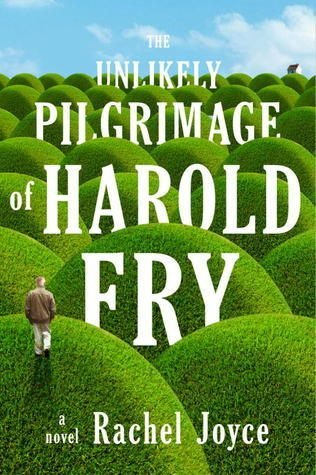
Description
Rachel Joyce Harold Fry Book Review
I would recommend The Unlikely Pilgrimage of Harold Fry to anyone who has carried regret for too long or felt trapped by an old version of themselves. The Rachel Joyce Harold Fry story begins with one decision that becomes a walk across England. I found its treatment of grief, marriage and human kindness more affecting than a dramatic adventure would have been.
What I Learned and Why It Mattered
My strongest lesson was that movement can make room for thoughts I have avoided. Harold begins walking to reach Queenie, a former colleague who is terminally ill, but every mile also brings him closer to memories he has buried. His journey recalled to me that healing rarely means forgetting. It can mean finding enough honesty to live beside what happened.
I also appreciated the book’s view of regret. Harold cannot revise his choices, yet he can stop allowing silence to define every relationship. This connects with the questions raised in The Life List, where looking back becomes useful only when it changes how I live now.
The strangers Harold meets showed me how little I know about the burdens other people carry. A brief conversation, a meal or practical help can restore someone’s feeling of belonging. The novel never made kindness feel grand. It showed the way attention can matter when a person feels unseen.
Harold’s physical discomfort also prevents the walk from becoming an easy symbol. Hope requires persistence, but determination does not remove exhaustion. That balance relates to protecting wellbeing during tough times, particularly the value of small steps and accepting support.
Who Should Read It
This novel will suit readers who enjoy reflective, character-led stories about ageing, grief, forgiveness and complicated marriages. It may be especially meaningful for anyone reconsidering a distant friendship or wondering whether an honest conversation has been postponed too long.
Readers who enjoyed the themes of loyalty and interpersonal connection in My Friends may also value this book. The pace is gentle, and much of its power comes from memory rather than action. Readers sensitive to terminal illness, bereavement and family trauma should expect emotionally difficult material.
What Stayed With Me
What stayed with me after the Rachel Joyce Harold Fry novel was not the distance covered, but the bravery required to face what each mile reveals. Harold cannot save everyone or reverse the past. He can, however, listen, apologise and continue.
I finished the book thinking about the people I assume will always be there. Its message appeared hopeful without pretending that hope fixes everything. Sometimes a changed life begins with a modest act, repeated patiently, until it becomes a way back towards other people and oneself.




Reviews
There are no reviews yet.