
Description
How to Be a Global Citizen: Be Informed. Get Involved. Review
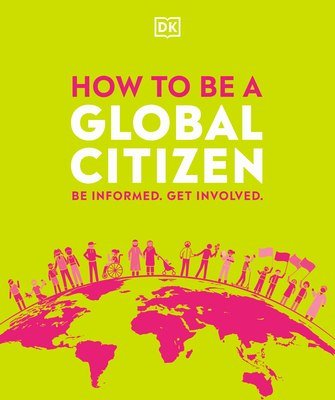
How to Be a Global Citizen: Be Informed. Get Involved. by DK is for young readers who want to understand how worldwide issues connect with daily choices. Written for ages eleven and above, this illustrated guide discusses politics, online responsibility, discrimination and environmental protection.
What I Learned and Why It Mattered
My strongest lesson was that global citizenship begins locally. Large problems can feel distant or impossible, but voting when eligible, checking information, treating neighbours fairly and joining a local community project are practical ways to participate.
The book additionally strengthened my belief that being informed involves more than reading a headline. Questions about who created a claim, what evidence supports it and whose perspective is missing can protect me from sharing misinformation.
Global understanding requires listening, recognising different circumstances and remaining willing to correct my assumptions. This connects with building empathy through perspective taking. Respectful disagreement is part of citizenship when it protects dignity rather than attacking identity.
Environmental accountability was another useful theme. Climate change is enormous, yet individual choices can still support wider action. My approach toward eco-friendly improvements at home shows how manageable changes can support wider action.
I appreciated that the guide encourages participation rather than guilt. Constant exposure to injustice can leave young people overwhelmed. Choosing one issue, learning from trustworthy sources and taking a realistic step may create more lasting involvement than reacting to every crisis at once.
Who Should Read It
This book will suit readers aged eleven and above, families, teachers and school groups discussing citizenship, media literacy, equality or the environment. Its illustrations and short sections make complex subjects less intimidating.
However, the accessible format also means some topics are simplified. Politics, racism, ableism, taxation and climate policy require historical background and continuing study. Because the book was published in 2021, readers should verify current laws, statistics, organisations and campaign information before acting.
Global citizenship is a social idea, not a legal nationality or replacement for a passport. Its value lies in encouraging responsibility beyond surroundings.
Pairing the book with planning each day with purpose could turn concern into one definite action, such as checking a source, attending a local meeting or reducing avoidable waste.
What Stayed With Me
What stayed with me after How to Be a Global Citizen: Be Informed. Get Involved was the balance between learning and acting. Good intentions become more useful when they are supported by accurate information, humility and consistency.
I finished the guide believing that responsible participation is less about appearing morally perfect and more about remaining curious, correcting mistakes and contributing where I genuinely can.



Reviews
There are no reviews yet.