
Description
Office Etiquette: The Unspoken Rules in the Workplace Review
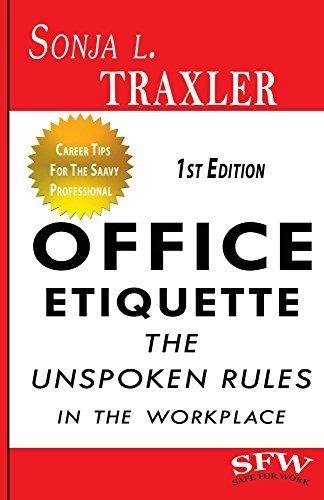
I would recommend Office Etiquette: The Unspoken Rules in the Workplace by Sonja L. Traxler to graduates and professionals who want a practical reminder that competence is only part of working well with others.
What I Learned and Why It Mattered
My strongest lesson was that professionalism itself is often visible in ordinary moments. Arriving prepared, replying clearly, respecting shared spaces and giving colleagues my attention may seem basic, yet repeated behaviour becomes my reputation.
The book also made me reconsider communication. A message can be correct and still sound dismissive, confusing or sharp. Before sending an email, I need to check whether the purpose is clear, whether the people are included and whether a conversation would work better. Tone matters because colleagues cannot see the intention.
Listening is equally important. Participation means speaking quickly, but a useful contribution commences with understanding what has already been said. This connects with building confidence through daily habits. Confidence at work does not require dominating every meeting. It can appear through preparation, careful questions, and reliable follow-through.
Another lesson concerned boundaries. Being friendly can support teamwork, but colleagues do not automatically need access to every detail of my personal life. I can be warm without joining gossip, oversharing, or talking about someone absent. The advice relates naturally to setting healthy boundaries in my twenties, especially communicating limits without becoming rude.
Who Should Read It
This guide will suit new graduates, interns, young professionals and anyone returning to an office after working independently. Managers may also find it useful when explaining expectations that experienced staff assume everyone already understands.
Because the book was published in 2016, some examples may feel tied to traditional offices. Hybrid work, video meetings, messaging platforms and flexible dress codes have changed many routines. I would apply its principles rather than treat every practice as a permanent rule. Respect, preparation and awareness still matter, but good etiquette should account for disability, culture, religion and different working arrangements.
The practical approach also pairs well with planning each day with purpose. Preparing before meetings and organising priorities might prevent lateness, rushed replies and avoidable misunderstandings.
What Stayed With Me
What stayed with me after Office Etiquette: The Unspoken Rules in the Workplace was that courtesy is not about performing politeness for senior people. It is about respecting everyone’s time, concentration, and dignity.
I finished the book more aware that small habits communicate reliability. I may not follow every suggestion exactly, but pausing before I interrupt, send a careless message or leave a problem for someone else can improve the working day. That made this short guide practical, easy to understand and worth reading.




Reviews
There are no reviews yet.