
Description
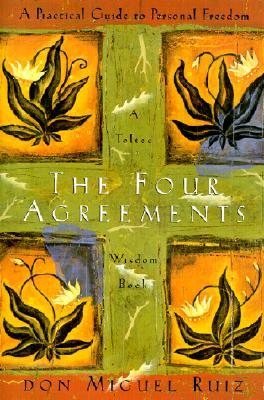
The Four Agreements Book Review
I would recommend this book by Don Miguel Ruiz to anyone exhausted by overthinking, other people’s opinions or impossible standards. The Four Agreements interested me because its advice sounds simple, yet applying it requires self-awareness. I was drawn to how it connects language, assumptions and personal responsibility with everyday relationships.
What I Learned and Why It Matters
The lesson that affected me most was the importance of using words carefully. I consider how I speak to others, but the book also made me notice the language I use about myself. Repeating that I am incapable, unlucky or always wrong can become a belief rather than a passing thought.
The advice not to take everything personally also challenged me. Other people’s reactions frequently reflect their experiences, fears or expectations. This does not mean I should ignore harmful behaviour, but I can pause before treating every reply or disagreement as proof that I have failed.
This connects with what I learned about protecting myself through healthy boundaries. Not taking something personally is not the same as accepting disrespect. I can understand that another person’s behaviour is theirs, while deciding what I will tolerate.
The warning against assumptions felt practical. I realised how easily I can invent an explanation when information is lacking and then treat it as fact. Asking a question may feel uncomfortable, but it creates less damage than building a story in my head. My mindfulness practices for staying focused support the habit of pausing before reacting.
Why You Should Give This a Read
This book would help anyone working on communication, confidence, relationships or emotional balance. Its ideas are memorable and can be applied in conversations, workplace disagreements, and decision-making.
I appreciated the idea of doing my best without demanding perfection. My best can change with my health, energy and circumstances. That view feels kinder and more realistic than expecting performance every day. It fits with building confidence via consistent habits rather than waiting to feel completely ready.
I would not treat every statement as a rule for every situation. I found the book most useful as a set of questions that help me examine my reactions and choices.
Final Thoughts
For me, The Four Agreements was worthwhile because it turned emotional patterns into ideas I could remember. What stayed with me was the connection between words, assumptions and conflict.
The book reminded me that personal freedom is not about controlling other people. It begins with taking responsibility for how I speak, interpret situations and respond. I may not follow every agreement perfectly, but remembering one at the right moment could change the direction of a conversation or decision.


Reviews
There are no reviews yet.