
As a parent and lifelong pet lover, I know that looking after animals is a lot like raising another child. Between school runs, work, meal prep, and family life, adding a dog or cat to the mix is rewarding but also comes with responsibilities and costs you might not expect. Recently, when my sister-in-law moved to Texas, I was struck by how different vet care is in the US compared to the UK. These differences aren’t just about price; they affect your family’s peace of mind, how easily you can get help when your pet is sick, and ultimately the well-being of your furry family members.
In this article, I’ll share what I’ve learned about vet care on both sides of the pond, the costs involved, and practical advice for UK families to manage pet health and expenses better.
UK Pet Care System: Private, but Reliable
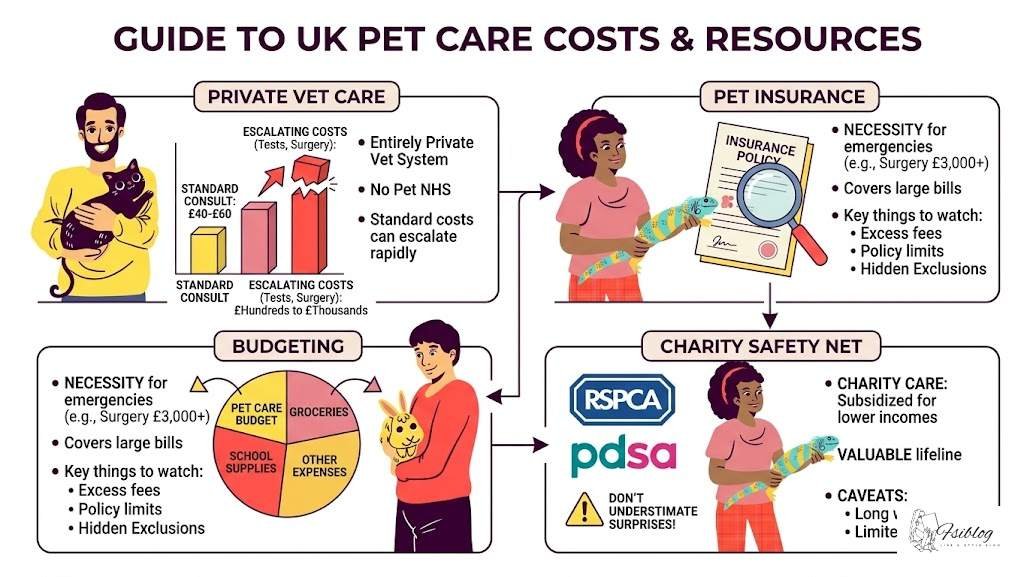
In the UK, vet care is entirely private. Unlike human healthcare, which benefits from the NHS, there is no safety net for our pets. A standard consultation can cost between £40 and £60, but if your pet needs blood tests, X-rays, or surgery, the costs can escalate to hundreds or even thousands of pounds.
Why Pet Insurance Is Essential in the UK
For UK families, pet insurance is almost a necessity. A single emergency surgery could easily cost £3,000 or more, and most households do not have that kind of money readily available. Insurance helps, but policies often have excess fees, exclusions, and limits that still require out-of-pocket spending.
When budgeting for a pet, consider these costs alongside groceries, school supplies, and other family expenses. Many UK families underestimate this, which can lead to stressful financial surprises if an emergency arises.
Charity Vet Care: A Valuable Safety Net
Fortunately, there are charity organizations like the RSPCA and PDSA that provide subsidized care for families on lower incomes. This makes vet care more accessible in Britain. Waiting times may be long, and not all treatments are available, but it is a vital lifeline for many pet owners.
Vet Care in the US: Technology, Choice, and Convenience
In the US, vet care is also private, but the system looks very different. Clinics are often more modern, technology-driven, and designed to make visits less stressful. My sister-in-law takes her golden retriever to North Dallas Petfolk. This clinic treats appointments like pediatric visits, with online booking, digital medical records, and a focus on pet comfort.
Streamlined Vet Visits for Busy Families
American clinics often offer conveniences such as:
- Online booking and reminders
- Digital access to medical records
- Pet anxiety reduction strategies
- Flexible payment options and wellness plans
For families juggling kids and pets, this approach reduces stress and makes it easier to stay on top of preventative care.
Costs in the US vs UK
Costs in the US vary widely depending on location and clinic. Routine check-ups can cost $50 to several hundred dollars. Vaccinations, spaying/neutering, dental work, and emergency care also tend to be pricier. The upside is that there is more competition, which can make care available at different price points.
In comparison, UK charity clinics offer lower-cost options, though they may come with longer waits and limited treatments.
Pet Insurance: UK vs US Adoption
Pet insurance uptake is higher in the UK, with roughly 25% of pet owners insured, compared to 2–3% in the US. Reasons for this include:
- Higher UK costs for vet care
- Charity clinics provide limited financial relief
- Cultural differences in managing medical costs
For UK families, investing in pet insurance early is a practical step. It provides peace of mind, covers emergencies, and can make routine preventative care more affordable.
Emotional Considerations: Pets as Family Members
One striking similarity between the UK and the US is the emotional bond families have with pets. Our children view animals as full family members, which adds weight to our responsibility as pet owners. Regular check-ups, vaccinations, and attentiveness to behaviour changes are crucial for maintaining pet health, much like we do for our own health.
Practical Tips for UK Families Managing Pet Care
Plan Financially
- Include pet expenses in your household budget. Consider monthly insurance premiums, routine check-ups, vaccinations, and emergency funds.
Invest in Preventative Care
- Prevention is cheaper and less stressful than emergency treatment. Keep vaccinations up to date and monitor your pet’s diet, exercise, and behaviour.
Use Technology Where Possible
- Some UK clinics now offer online booking and digital reminders. Take advantage of these services to reduce stress and stay organised.
Explore Charity and Subsidized Options
- The RSPCA, PDSA, and local animal charities provide lower-cost care. Even if you rarely use them, it’s worth knowing what resources are available.
Choose a Family-Friendly Vet
- Visiting a clinic designed with families and pets in mind, like North Dallas Petfolk in the US, can inspire UK clinics. When choosing a vet, look for staff who are patient with children and pets, and clinics with a calming environment.
Lessons from Across the Pond: What UK Vet Care Could Adopt
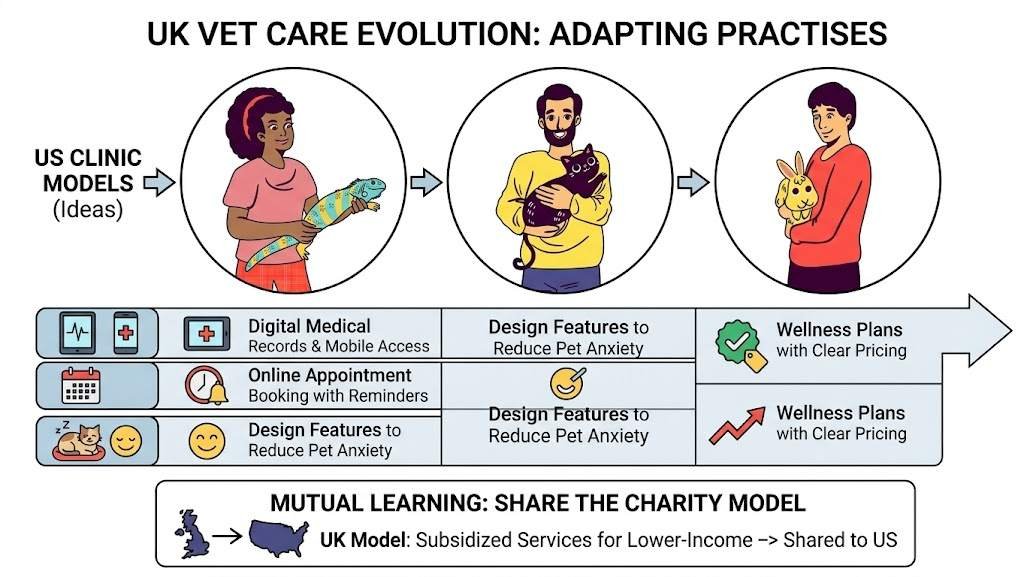
UK clinics could benefit from adopting elements common in US practices:
- Digital medical records and mobile access
- Online appointment booking with reminders
- Design features to reduce pet anxiety
- Wellness plans with clear pricing
Conversely, the US could learn from the UK’s charity vet care model, providing subsidized services for lower-income families.
Final Thoughts
Owning a pet is a rewarding but often challenging part of family life. You are juggling appointments, budgets, and teaching your children responsibility and compassion. Being proactive about pet health, financially prepared, and choosing the right vet can make all the difference.
At the end of the day, whether in the UK or the US, pets bring joy, laughter, and unconditional love to our families. Planning, insurance, and preventative care are your best tools to ensure that tail keeps wagging for years to come.
References and Resources
- RSPCA: https://www.rspca.org.uk
- PDSA: https://www.pdsa.org.uk
- Pet Insurance Advice: https://www.which.co.uk/reviews/pet-insurance