
Agriculture has always relied on experience, climate, and conventional farming methods. However, today, agriculture is entering a smarter era. As global food demand increases and natural resources become scarcer, farmers must adopt more efficient crop production methods. Precision agriculture comes in that way.
Farmers can study various parts of their farms and provide crops with what they require, rather than treating the entire farm uniformly. Precision farming enables farmers to monitor crops in real time and make better decisions using GPS, sensors, drones, and data analytics.
This contemporary practice not only enhances productivity but also helps save water, fertilisers, and energy.
This article explains how precision agriculture works, why it yields higher crop yields, and why it is becoming a must for sustainable farming globally.
What Is Precision Agriculture?
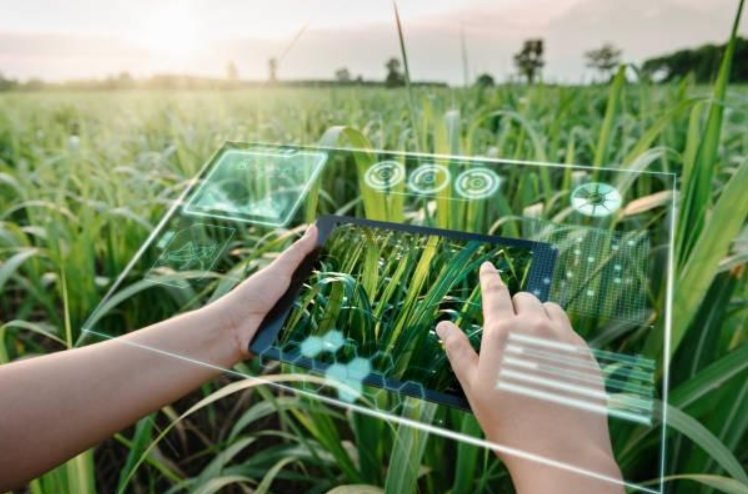
Precision agriculture is an agricultural practice that implements digital technology and data to administer crops more efficiently and precisely. Rather than treating the soil the same way across an entire field, farmers evaluate soil, crop, and environmental conditions to make specific decisions.
Precision farming in the modern era relies on GPS-controlled tractors, drones, satellite imagery, soil sensors, and artificial intelligence programs. Such technologies gather and review information that can help farmers learn more about their farms.
For example, satellite images can show areas where crops are stressed. This allows farmers to apply fertiliser or water to specific areas rather than the entire field. This is a directed approach that enhances efficiency and waste minimisation.
Studies suggest that precision farming technologies can increase crop production by 10-30% and enhance resource productivity.
5 Ways Precision Agriculture Boosts Crop Yields and Saves Resources
1. Data-Driven Decision Making Improves Crop Performance
Real-time data collection and use are among the biggest benefits of precision agriculture.
The sensors installed in the soil monitor key environmental parameters, including moisture content, nutrient composition, soil temperature, and acidity. This knowledge gives farmers better insight into the needs of each crop at each growth stage.
Farmers with accurate data can adjust irrigation, fertilisation, and planting plans to suit specific areas within the field. For example, when an area has a soil nutrient deficiency, only the necessary fertilisers can be applied.
This would enable crops to be treated appropriately and avoid unnecessary resource use. Therefore, plant growth improves, and yields increase.
2. Better Use of Water, Fertilisers, And Pesticides
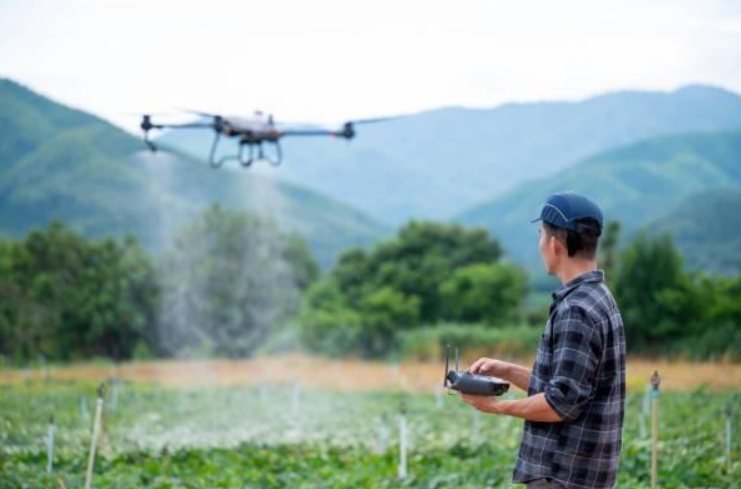
In conventional agriculture, fertilisers and irrigation are applied uniformly across fields. However, the quantity of resources demanded in each area differs.
Precision agriculture can address this problem through technologies such as variable-rate application systems, which adjust the amount of water, fertiliser, or pesticides applied across different parts of the field.
Farmers reduce wastage and enhance efficiency by applying resources where they are needed. Smart irrigation systems can save significant amounts of water while maintaining crop growth.
Better fertiliser management also helps reduce production costs and reduce chemical runoff into the environment.
3. Early Detection of Crop Diseases and Stress
Pests and diseases that attack crops can drastically reduce yields if not identified early.
Precision agriculture uses drones, satellite imagery, and data analysis to monitor crop health continuously. These technologies can detect early warning signs of plant stress, pest activity, or nutrient deficiencies before they are visible to the human eye.
Early detection of the condition allows farmers to respond promptly and cure the affected parts rather than the entire field. This specific response minimises crop damage and enhances production.
4. Increased Efficiency and Profitability
Precision farming is also economically efficient.
By optimising resource utilisation, farmers can save money on fertilisers, fuel, seeds, and labour. With GPS-controlled equipment, tractors and other machinery can navigate across fields with high accuracy, thus avoiding overlaps when spraying or planting.
These enhancements help farms become more productive at lower operating costs. Most farmers who have adopted precision technologies have reported increased yields and improved profitability in the long term.
5. Improved Soil Health
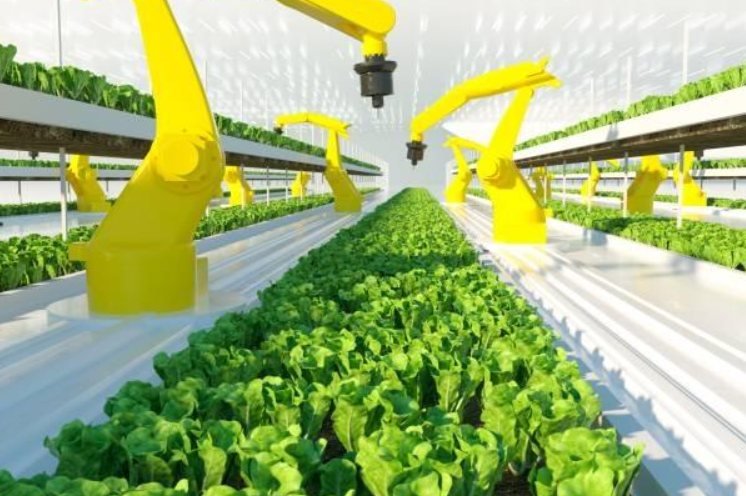
Precision agriculture is also used to conserve and enhance soil health. Using soil sensors and field mapping, farmers can more effectively track nutrient levels and moisture. This will enable them to use fertilisers and treatments where necessary and avoid excessive use that could damage the soil.
Healthy soil promotes crop growth and long-term farm productivity.
Future of Precision Agriculture
Precision farming is an ever-changing field as new technologies are introduced. Internet-of-Things sensors, artificial intelligence, and machine learning are helping farmers analyse agricultural data at scale much more effectively.
These inventions can predict crop performance and risks and offer better farming practices. As food production worldwide increases under the pressure of climate change and population growth, precision agriculture will play an important role in building a more sustainable food system.
Conclusion
Precision farming is revolutionising how agriculture is practised today by integrating traditional and modern technologies.
With data-driven decision-making, successful resource management, and early identification of crop problems, farmers will be able to produce more crops with less resource use.
Given the growing global food demand, precision agriculture offers a viable and sustainable solution. It promotes economic prosperity and conservation by helping farmers produce more with less input.