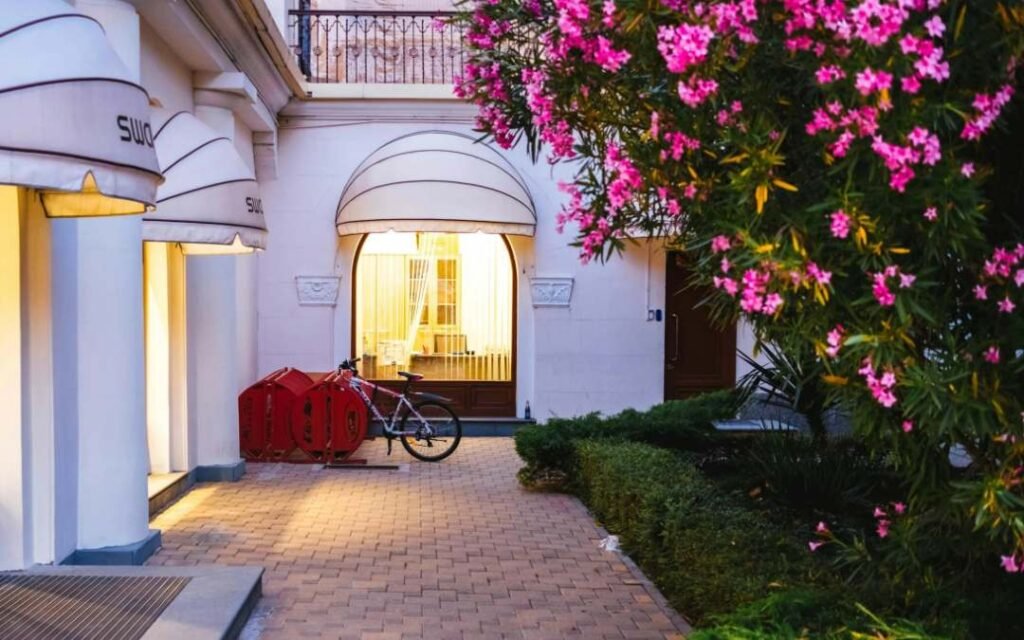
No matter what sort of outside space you have, whether it’s a sprawling garden with plenty of room or a compact courtyard, many people forget how much potential outside space can truly have. Instead of viewing it as something separate or an afterthought, you need to think of it as an extension of your house. It can be somewhere that you plant flowers, relax in, entertain friends, dine and even do your work from. The challenge, however, is creating a space that’s not only practical but stylish too, marrying its usefulness with how you want it to look. While you don’t need acres of land or a huge budget, you do need a vision, which is where we come in. Here are some tips for keeping your outdoor space functional yet stylish.
Start With How You’ll Actually Use The Space
Before buying furniture or planting anything, think realistically about how you want to use your outdoor area. Is it mainly for dining with friends? A quiet spot to unwind with a coffee? Somewhere for children to play? Or a multifunctional space that needs to do a bit of everything? Defining the primary purpose helps guide every decision that follows, from layout to furniture size. A dining-led garden will need space for a table and clear walkways, while a relaxation-focused space might prioritise comfortable seating and softer lighting. Designing with purpose ensures your garden looks intentional rather than cluttered or underused.
Keep It Tidy
One of the easiest ways to lose sight of your outdoor space and start resenting or stopping to enjoy it is if it’s messy. Simple fixes can really help this, such as investing in a battery leaf blower to keep leaves off the path and to the sides, keeping your plants in good shape, and repainting or touching up the fences and woodwork of your home. You should also always tidy up after you have been out there, for example, after a BBQ or if the kids have been playing. By staying on top of it, it feels less like a big job and more like something you can really make the most of.
Choose Furniture That Blends Comfort And Durability
Outdoor furniture should be as comfortable as your indoor pieces, but tough enough to withstand the elements. Investing in quality materials such as treated wood, aluminium, rattan-effect resin, or powder-coated steel will pay off in the long run. Opt for neutral or timeless colours for larger pieces, then layer in personality with cushions and throws. Modular seating or foldable furniture is ideal for smaller spaces, allowing you to adapt the layout depending on the occasion. Comfort encourages you to use the space more often, while good design keeps it visually appealing.
Consider Zoning The Space For Different Needs
One of the simplest ways to make an outdoor space feel stylish and functional is to zone it out. Even if you have a small garden, you can zone it, helping create purpose and flow. You could have an area for seating where you can host friends and family for lunch and dinner, a corner for planting and storage, and a space for the kids to play. If you enjoy gardening, you could have a vegetable patch where you can grow your own vegetables, or if you want a more sophisticated spot with a hot tub, consider adding decking. Use things like small garden fencing or paving to show the different areas, or separate them with other plants. This means it’s easy to see where the zones are and to make the garden feel more uniform.
Don’t Forget Storage Solutions
Clutter is one of the quickest ways to ruin the look of an outdoor space. Practical storage keeps essentials close to hand while maintaining a clean, streamlined aesthetic. Benches with hidden storage, stylish outdoor cabinets, or weatherproof boxes can house cushions, gardening tools, children’s toys or outdoor games. Choosing storage that doubles as seating or décor helps maximise functionality without sacrificing style, especially important in smaller gardens or balconies!
Use Lighting To Make An Authentic Ambience
Lighting is another thing you don’t want to forget about, as it can make a massive difference without doing too much! Particularly true in the evenings, you want lighting that creates an ambient mood, adds depth to the space, and isn’t too harsh or too bright. Look for solar-powered ones and consider whether you want ones that can stake into the ground, such as in your flowerbeds, or ones you can drape over the fence. Place your lights thoughtfully to extend the space’s usability after dark, adding warmth and sophistication and making it feel like an outdoor living room.
Accessorise
Accessories are where you can really inject style and personality into your outside space. Outdoor cushions, rugs, throws, planters and decorative lanterns all help soften the space and make it feel lived-in rather than purely functional. Stick to a cohesive colour palette to keep things polished, and swap accessories seasonally to refresh the look without significant expense. Small details can have a considerable impact when chosen thoughtfully.
Try to keep it Low Maintenance
A stylish outdoor space is only enjoyable if it doesn’t become a chore. Choosing low-maintenance materials, plants, and furniture will help keep your garden looking good with minimal effort. Consider artificial grass for family-friendly spaces, perennial plants instead of high-maintenance bedding, and furniture that requires minimal upkeep. The easier it is to maintain, the more time you’ll actually spend enjoying your outdoor area.
Here are a few things you can do to keep your outdoor space both functional and stylish. You want to strike the right balance so you have a space you can enjoy that doesn’t require too much upkeep to look the way you want. By designing with purpose, choosing durable materials, and layering thoughtful details, you can create an area that works for everyday use while still feeling like a place you love to spend time in, and that feels a bit more elevated than ordinary.
Final, Best-Practice Advice for a Functional and Stylish Outdoor Space
1. Design for Real Life, Not Just Photos
It’s easy to create something that looks great but isn’t comfortable or practical. Always test layouts mentally:
- Can chairs be pulled out easily?
- Is there shade when you actually need it?
- Can you move through the Space without stepping on plants or furniture?
If it works day to day, it will naturally look better because it’s used more.
2. Think Vertically to Save Space
Walls, fences, and railings are often underused. Vertical planters, wall-mounted shelves, hanging lanterns, or climbing plants add greenery and interest without sacrificing floor space—especially valuable for small gardens, patios, or balconies.
3. Choose One Strong Style Direction
Mixing too many styles can make outdoor spaces feel messy. Decide early whether your Space leans more toward modern and minimal, natural and rustic, Mediterranean, or family-friendly and relaxed. Let furniture, colours, and accessories follow that theme for a more polished result.
4. Prioritise Comfort Over Quantity
It’s better to have fewer, well-chosen pieces than to overcrowd the Space. One great seating area with cushions people actually want to sit on will be used more than multiple uncomfortable options.
5. Plan for All Seasons, Not Just Summer
Add elements that extend usability, such as fire pits or patio heaters, blankets stored in weatherproof boxes, and windbreaks or pergolas. This keeps your Space functional beyond warm, sunny days.
6. Balance Hard and Soft Elements
Too much paving or decking can feel cold; too many plants can feel chaotic. Combine structured elements (paths, furniture, decking) with softer touches (plants, textiles, lighting) to create a space that feels both intentional and welcoming.
7. Edit Regularly
Just like indoors, outdoor spaces benefit from occasional “editing.” If something isn’t being used, remove it. Transparent surfaces, refresh accessories, and reassess zones once or twice a year to keep the Space purposeful and fresh.
8. Let Nature Do Some of the Styling
Choose plants that thrive naturally in your climate rather than fighting against it. Healthy plants always look better and require far less effort—style follows sustainability.
“A well-loved space doesn’t demand perfection; it reflects intention, balance, and the rhythm of everyday life.” — Fiorella Sophia Isabella