
Description
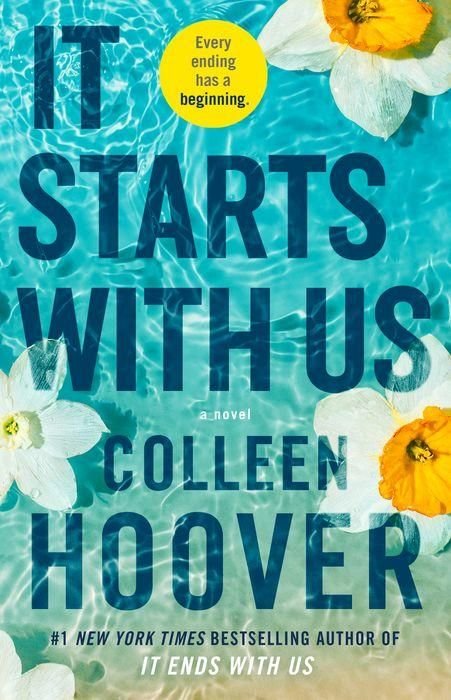
It Starts with Us Review: Love, Boundaries and New Hope
I would recommend It Starts with Us by Colleen Hoover to readers who want a hopeful sequel to Lily Bloom’s story. The novel begins after It Ends with Us, because Lily manages co-parenting with Ryle and considers a new relationship with Atlas. The sequel assumes knowledge of the abuse Lily survived, so read the first book beforehand.
What I Learned and Why It Mattered
I learned that leaving a harmful relationship does not end every consequence. Lily has made a decision, but she still has to communicate with Ryle because they share a child. The story showed me that recovery can involve practical choices, repeated limits and difficult conversations, not one clean ending.
I valued the story’s view of boundaries as protection, instead of punishment or personal revenge. She makes decisions around her daughter’s safety and her own peace, even when he reacts badly. This connected with what I have learned about setting healthy boundaries without guilt. Boundaries matter when pressure makes them difficult to maintain.
Atlas also helped me think about supportive love. He listens, gives Lily time and understands that her situation cannot be solved by romance alone. Care should make space for another person’s choices instead of demanding access.
The alternating viewpoints add more of Atlas’s history, including the effects of neglect and homelessness. I realised that painful experiences may explain behaviour, but they do not excuse harming people. Compassion and accountability can exist together.
The family changes show why children need calm, consistency and responsible adults. These ways to create stability during family change relate closely to Lily’s effort to build a safer home.
Who Should Read It
This book will suit readers who care about Lily and Atlas and want more closure. It offers romance, family tension, healing and hope.
Readers sensitive to domestic abuse, controlling behaviour or childhood neglect should approach it. Although the mood is lighter than in the previous book, Ryle’s anger remains part of the story. Fiction can prompt reflection, but it should never replace professional or emergency support in a dangerous situation.
The novel may also interest readers thinking about honest communication in close relationships, particularly the difference between listening and trying to control the outcome.
What Stayed With Me
What stayed with me after It Starts with Us was the idea that beginning again requires more than finding someone new. Lily must trust her judgement, protect her child and continue enforcing boundaries. I found the book worthwhile because it gives her room to form a future formed by safety, choice and reciprocal respect. It is a consoling sequel, while still recognising that healing is gradual and sometimes complicated.


Reviews
There are no reviews yet.