
Description
Are Women From Venus and What the Book Taught Me
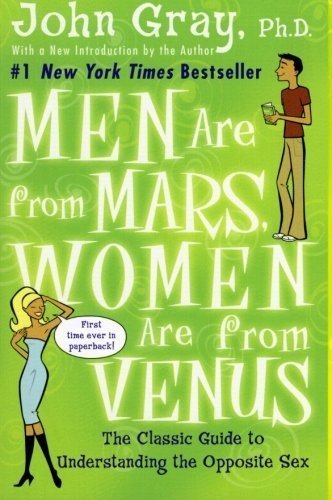
I read Men Are from Mars, Women Are from Venus knowing it was published in 1992 and still shapes how people discuss relationships. The search question “are women from Venus?” captures its metaphor, but I found the book most useful when I treated Mars and Venus as interaction styles, not biological rules. Its examples made misunderstandings easy to recognise, although the gender divisions commonly felt too neat.
What I Learned and Why It Mattered
The most useful lesson was that support does not always mean solving a problem. Gray describes situations where one partner wants to talk and be understood while the other offers solutions. I recognised how frustration can grow when helpful intentions do not match the support being requested.
That idea strengthened my faith in honest conversations that build understanding. Asking whether someone wants advice, practical help or simply a listener can prevent unnecessary tension. It likewise respects the individual instead of assuming their needs from their gender.
The book also discusses different responses to stress. One partner may want space, while another seeks closeness and conversation. The practical lesson for me was not that all men withdraw or all women talk. It was that people should explain how they cope before silence or repeated questions are mistaken for rejection.
I also considered the book’s discussion of giving and receiving affection. A grand gesture may matter less to one person than consistent modest acts of care. This connects with why shared values matter in lasting relationships. Communication techniques help, but agreement about respect, loyalty and responsibility provides a stronger foundation.
Who Should Read It
I think couples interested in classic relationship advice may find useful conversation starters here. The writing is accessible, and the examples can help partners recognize recurring disagreements without immediately attributing blame.
However, I would read it critically. Its male and female categories can overlook personality, upbringing, culture, sexuality and changing social roles. Many people will recognise themselves in traits assigned to the opposite sex, while LGBTQ+ and non-binary relationships receive little representation.
The book should therefore support conversation, not become evidence that a partner must behave in a way. Healthy boundaries still matter within loving relationships, regardless of anyone’s supposed planet.
What Stayed With Me
What stayed with me was the notice that good intentions can be misunderstood when people express care differently. Listening, asking clear questions and explaining personal needs remain useful lessons.
For readers asking “are women from Venus?”, my answer is no. Partners are not separate species, and gender does not explain every conflict. The book is most worthwhile when its metaphor promotes curiosity, while its stereotypes remain open to question.



Reviews
There are no reviews yet.