
Recovery is the foundation of any effective fitness plan. Every training session creates micro-tears in muscle fibres and places stress on the central nervous system. It is the recovery phase that allows your body to rebuild stronger and more resilient than before. For many athletes and gym-goers across the UK, steroids have become a topic of conversation when discussing compounds that may support hormonal processes tied to muscle repair and performance.
Link Between Recovery and Athletic Performance
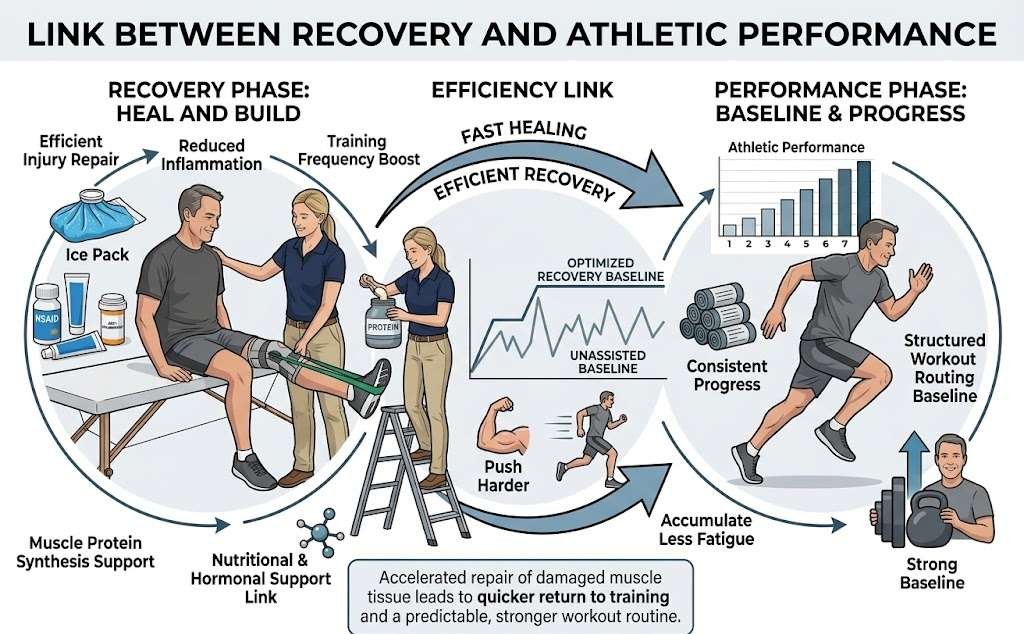
Consistent training progress depends heavily on how efficiently the body recovers between sessions. When your body heals quickly, you can maintain a higher training frequency and push harder without accumulating excessive fatigue or risking overtraining syndrome.
Steroids UK interact with the body’s natural hormonal environment, often mimicking or complementing hormones involved in muscle building and repair. They also influence how the body synthesises and utilises protein, which is a critical factor in post-exercise recovery.
By accelerating the repair of damaged muscle tissue, these compounds enable individuals to return to training sooner, resulting in a more structured, predictable workout routine. Each session can begin from a stronger baseline, with reduced soreness and fatigue as limiting factors.
Key Ways Recovery May Be Enhanced
Steroids act on multiple physiological systems that influence how quickly and effectively the body recovers after intense physical effort.
Increased protein synthesis means that muscle tissue is repaired and rebuilt more quickly. Reduced muscle breakdown, clinically known as decreased catabolism, helps preserve lean muscle mass even during high-volume training. An improved nitrogen balance keeps the body in an anabolic state, primed for ongoing muscular development.
Beyond the muscular level, some individuals report reduced post-exercise inflammation and discomfort, alongside faster glycogen replenishment, which refers to how quickly muscles restore their primary energy stores after hard sessions. Together, these physiological effects can allow for more frequent training bouts completed at a higher quality.
Training Efficiency and Output
Productive training is not simply about working harder. It is about extracting the maximum benefit from each session, whether that session involves lifting heavier, completing more volume, or maintaining higher intensity over time.
When recovery improves, training becomes more focused and deliberate. Reduced fatigue between sessions makes it easier to prioritise progressive overload, the principle of steadily increasing the demands placed on the body to stimulate continued adaptation. This is widely recognised by organisations such as Sport England as central to long-term athletic development.
Some research also suggests steroids stimulate erythropoiesis, the production of red blood cells, potentially increasing the amount of oxygen delivered to working muscles during exercise. Greater oxygen availability means muscles resist fatigue for longer, which can translate into extended training sessions and improved overall output.
Impact on Workout Consistency
Consistency over time is the single most important factor separating average results from exceptional ones. Faster, more complete recovery means you arrive at each session feeling ready, rather than carrying residual fatigue from the last.
From a practical standpoint, this consistency brings several potential benefits for anyone following a structured training programme. You can train more frequently without experiencing undue physical strain. Stamina across multiple weekly sessions can improve. The psychological toll of persistent soreness is reduced, which lowers the risk of motivation dips or unplanned rest days.
According to BASES, the British Association of Sport and Exercise Sciences, sustained training adherence is consistently linked to superior long-term outcomes across all fitness disciplines.
A Balanced Perspective on Steroid Use
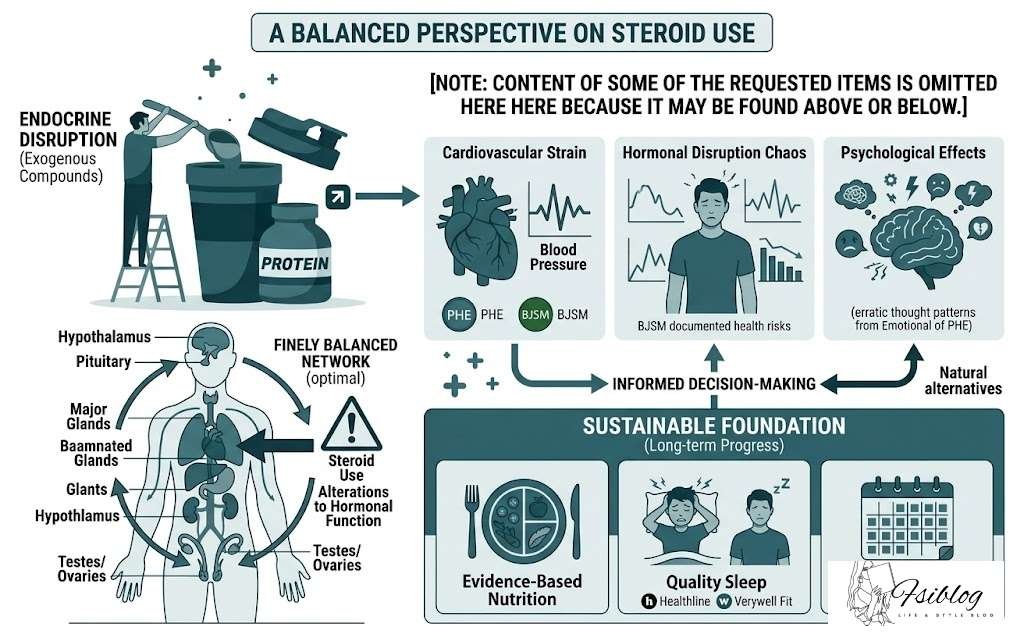
The physiological benefits described above may appear compelling in isolation, but a complete and honest understanding of steroid use requires a broader perspective. The human endocrine system is a finely balanced network, and introducing exogenous compounds that alter hormonal function can have consequences extending well beyond athletic performance.
Health authorities, including Public Health England and the British Journal of Sports Medicine, have documented both the potential performance effects and the associated health risks of anabolic steroid use, including cardiovascular strain, hormonal disruption, and psychological effects.
For individuals committed to long-term progress, a strong foundation built on evidence-based nutrition, quality sleep, and well-designed programming will always form the most sustainable route forward. Resources from Healthline and Verywell Fit offer excellent guidance on maximising natural recovery.
Understanding how recovery functions and what factors influence it puts you in a far better position to make informed decisions that align with your personal fitness goals.
Conclusion
Recovery and training efficiency sit at the heart of any meaningful fitness journey. Whether you are a recreational gym-goer in Manchester, a competitive athlete in London, or someone simply looking to improve your health in any part of the UK, the principles governing muscle repair and adaptation remain the same.
Steroids may interact with several of the physiological processes that influence recovery, but they carry significant risks that must be carefully weighed against any perceived benefit. The most effective and lasting improvements come from a consistent, well-structured approach that prioritises recovery through evidence-based methods.
Before considering any performance-enhancing compound, always consult a qualified medical professional. The NHS provides guidance on anabolic steroid misuse and its associated risks, which is essential reading for anyone exploring this topic in the UK.
Disclaimer
This article is intended for informational and educational purposes only. It does not constitute medical advice, and the information presented should not be used as a substitute for professional medical guidance. The use of anabolic steroids without a valid prescription is illegal in the United Kingdom under the Misuse of Drugs Act 1971. Always consult a qualified healthcare professional before making any decisions regarding supplementation, hormonal compounds, or significant changes to your training or health regimen. The author and publisher accept no liability for any actions taken based on the content of this article.