
Have you ever been part of a project where everyone had a different opinion about what should be done first? It happens more often than most teams admit. Work starts piling up, and suddenly every task feels urgent. Many professionals studying PRINCE2® Certification learn that clear prioritisation is one of the simplest ways to avoid this confusion. A method often used in structured project environments is MoSCoW Prioritisation. It helps teams sort tasks based on importance so they can focus on what truly needs attention first.
This blog walks through the practical steps teams can follow to apply MoSCoW Prioritisation in their everyday project work.
1. Define the Project Objectives Clearly
Every approach for setting priorities starts with a clear understanding of the project’s aim. Before selecting which activities are most important, teams need to know what the project is trying to accomplish.
Talk about the project’s goals with the people who are most important to it. Find out what results the project needs to achieve. It is easier to figure out which needs direct support of the objective when the aim is clear.
This stage makes sure that MoSCoW Prioritisation is based on the project’s real goals and not on personal preferences.
2. Compile All Project Needs
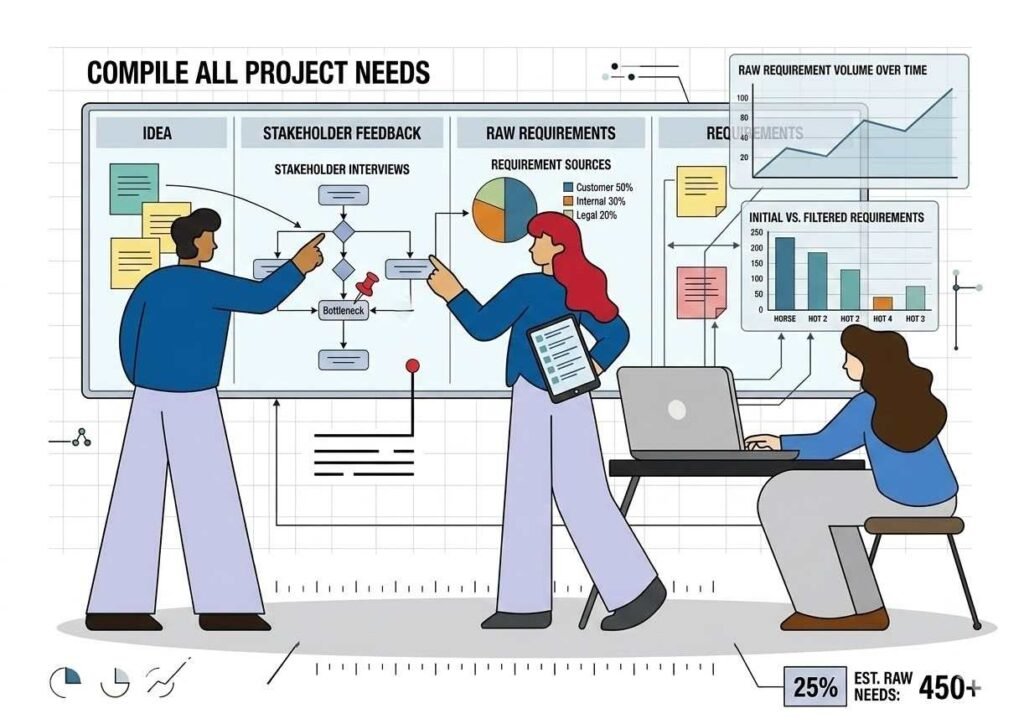
The next stage is to gather all of the possible tasks or needs for the project. These could come from customers or other people involved.
Don’t filter too soon; write down every feasible requirement. This gives a full view of the work that might need to be done.
When teams view the whole list, they may start to figure out which items really help the project succeed. This step lays the groundwork for good MoSCoW Prioritisation.
3. Classify Requirements Using the MoSCoW Categories
After gathering the requirements, teams put them into one of the four MoSCoW Prioritisation groups.
The project can’t work right without the must-have items. The project would fail without these.
Should-haves are valuable but not necessary. They help the outcome, but they are not needed for fundamental success.
Items that could be beneficial are good additions. These features add value, but you can wait to add them if you do not have time.
Items that will not be provided in this phase are those that will not have items. They might be thought upon again in the future.
Teams can use this classification to figure out what work is most important to do first.
4. Talk About Priorities as a Team
When everyone on the team knows why each decision was made, prioritisation works best. Team meetings help make it clear why some tasks are “must-have” or “should-have.”
At this point, encourage people to talk to each other. Different team members may have useful ideas about how important certain requirements are.
This group conversation makes things clearer. It also helps the team trust each other, which makes MoSCoW Prioritisation more likely to work.
5. Consult Stakeholders to Verify Priorities
Stakeholders are very crucial for confirming priorities. After the team puts the needs into groups, they should communicate the results with everyone who has a stake in the project.
Get their thoughts on the important products. Make sure that these duties really do reflect the most essential needs of the organisation.
Stakeholder validation stops problems from coming up later in the project. It makes sure that MoSCoW Prioritisation meets the needs of both the team and the business.
6. Review and Adjust Priorities During the Project
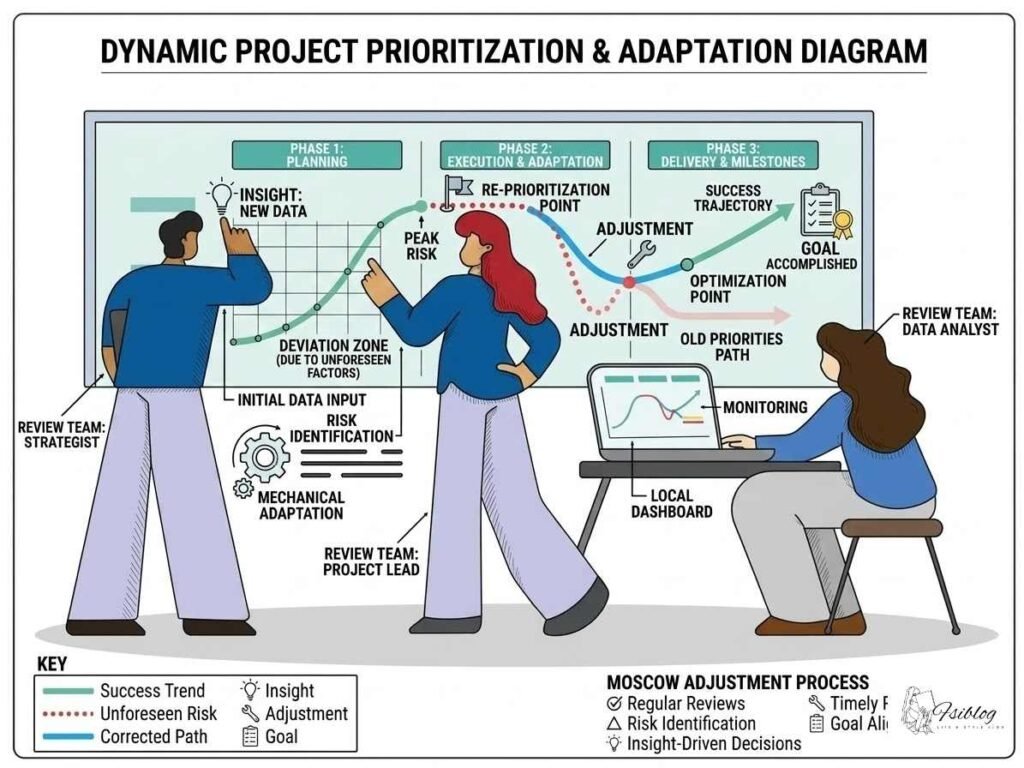
Most of the time, projects alter from start to conclusion. You may need to change your priorities if you get new information or run into problems you did not predict.
During the project lifespan, teams should routinely look over the MoSCoW Prioritisation. This makes sure that the priority list still shows the present state of affairs.
Teams can adjust to changes without losing sight of their main goals by having regular evaluations.
Conclusion
When teams are aware of what really matters, projects frequently succeed. Programmes for PRINCE2® Certification emphasise methodical decision-making that maintains project organisation and focus. Using MoSCoW, Teams can effectively handle conflicting requests and identify critical activities by using prioritisation. When applied properly, it enhances team cohesion and communication.
Teams that want to strengthen their project management approach can also deepen their knowledge through PRINCE2 Training, which explains practical methods used in structured project environments.