


Women are often expected to keep work, family, relationships, appointments, and everyday admin moving without showing how tiring that can be. Health then becomes another task sitting at the bottom of an already crowded list. A more realistic approach is to build small habits that protect energy, strength, sleep, and emotional wellbeing without demanding a complete lifestyle reset.
Treat Persistent Tiredness as Information
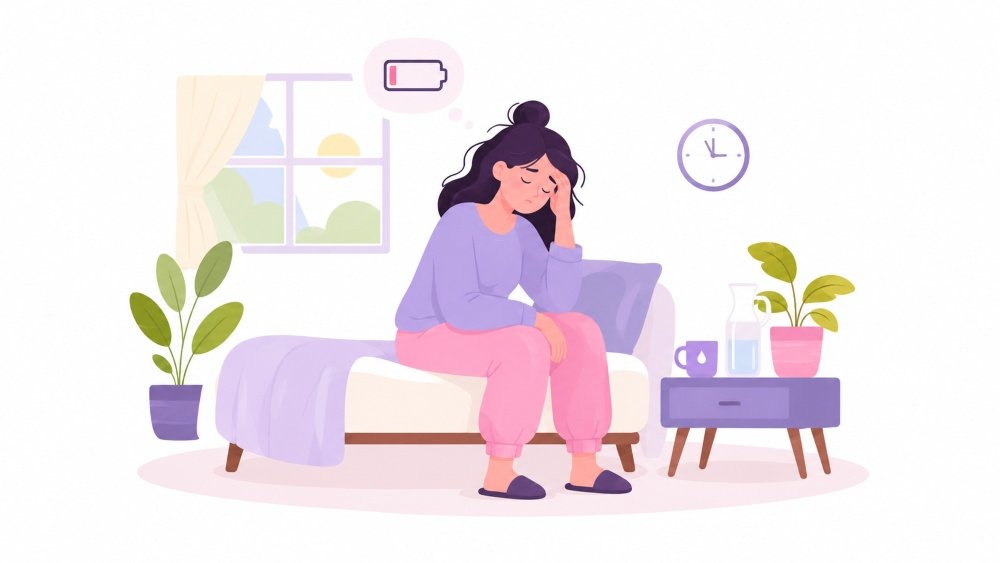
There is ordinary tiredness after a demanding week, and then there is fatigue that follows you into the morning, makes simple tasks feel unusually difficult, or continues even after rest.
It can be tempting to blame this feeling on stress and carry on. However, persistent tiredness may have several causes, including poor sleep, iron deficiency, thyroid problems, low mood, medication side effects, diabetes, or another health condition. The NHS guidance on tiredness and fatigue explains when ongoing symptoms should be discussed with a GP.
Women who are dealing with dizziness, unexplained weight loss, faintness, unusual muscle weakness, appetite changes, or severe exhaustion should not attempt to diagnose the problem through social media content. These symptoms may need proper assessment and blood tests.
Some women may also come across an adrenal supplement while searching for ways to improve energy. No product should be treated as a replacement for sleep, regular meals, medical investigation, or prescribed treatment. Check the ingredients carefully, particularly when taking medication, managing a medical condition, or preparing for surgery.
The NHS overview of vitamins and minerals notes that most people should obtain the nutrients they need from a varied diet, although certain people may require additional supplementation. A pharmacist, GP, or registered dietitian can help determine whether a product is suitable rather than relying on a broad promise printed on a label.
Build Meals That Hold You Through the Day
Many women are not deliberately skipping food. They are simply eating around everyone and everything else.
Breakfast becomes coffee on the way out. Lunch is delayed until mid-afternoon. Dinner is eaten while finishing household tasks. By the evening, hunger feels urgent, and energy has disappeared. This pattern is often treated as a failure of willpower when the more practical problem is that the body has not received enough steady fuel.
A useful meal does not have to be perfectly arranged or freshly cooked. It simply needs enough substance to keep hunger and energy reasonably stable. Try to include:
- A protein source
- A higher-fibre carbohydrate
- Fruit or vegetables
- A source of healthy fat
That could mean scrambled eggs on wholemeal toast with tomatoes, lentil soup with bread and yoghurt, a jacket potato with tuna and salad, or rice with chicken, vegetables, and olive oil.
These are ordinary foods, but that is precisely why they work. A health habit is more likely to last when its ingredients can be found in a local supermarket and prepared on a busy Wednesday.
Make Protein Easier to Reach
Protein supports the maintenance and repair of body tissues. It also helps meals feel more complete, particularly for women who exercise regularly or are trying to build muscle.
The difficulty is rarely understanding that protein matters. The difficulty is making it available at the moment it is needed.
A woman who returns home hungry at 7 pm is unlikely to feel helped by a complicated recipe requiring twelve ingredients. She needs food that can move from the fridge or cupboard to the plate with minimal effort.
Useful options include:
- Eggs
- Greek-style yoghurt
- Cottage cheese
- Fish
- Chicken or turkey
- Lean meat
- Tofu or tempeh
- Lentils, beans, and chickpeas
- Milk or fortified soya alternatives
- Nuts and seeds
The British Dietetic Association’s healthy eating guidance provides practical information about protein foods and their role in a balanced diet.
Protein powders can also be convenient when whole food is unavailable, but they should solve a real practical problem rather than become a compulsory part of eating. A yoghurt, sandwich, glass of milk, or bowl of beans may do the job just as well.
Women with kidney disease, digestive conditions, food allergies, or specialised dietary needs should seek individual advice before making major changes to protein intake.
Protect the Last Hour of the Day
Bedtime often becomes the only quiet part of a woman’s day. That makes it easy to delay sleep in order to scroll, watch television, finish work, answer messages, or enjoy being left alone.
The problem is not a lack of discipline. It is that going to sleep can feel like giving up the only personal time available.
A better sleep habit begins earlier than the moment your head reaches the pillow. It may mean closing the kitchen, putting tomorrow’s items near the door, lowering the lights, or deciding that one unfinished task can wait until morning.
A practical wind-down routine might include:
- Put the phone on charge away from the bed.
- Prepare clothes, medication, and essential items for the morning.
- Dim the main lights.
- Take a warm shower or wash your face.
- Spend ten minutes reading, stretching, praying, or writing down tomorrow’s tasks.
- Keep roughly the same bedtime on most nights.
The aim is not to manufacture a perfect evening. It is to give the brain fewer reasons to remain alert.
The NHS Every Mind Matters sleep advice recommends reducing screen use before bed and choosing calming activities when preparing for sleep.
Women who regularly struggle to sleep, wake gasping, experience restless legs, or feel exhausted despite spending enough time in bed should speak with a GP. A bedtime routine can help everyday sleep problems, but it cannot correct every underlying condition.
Use Resistance Exercise to Build a More Capable Body
For years, women’s fitness was often presented as a way to become smaller. A healthier question is whether the body is becoming more capable.
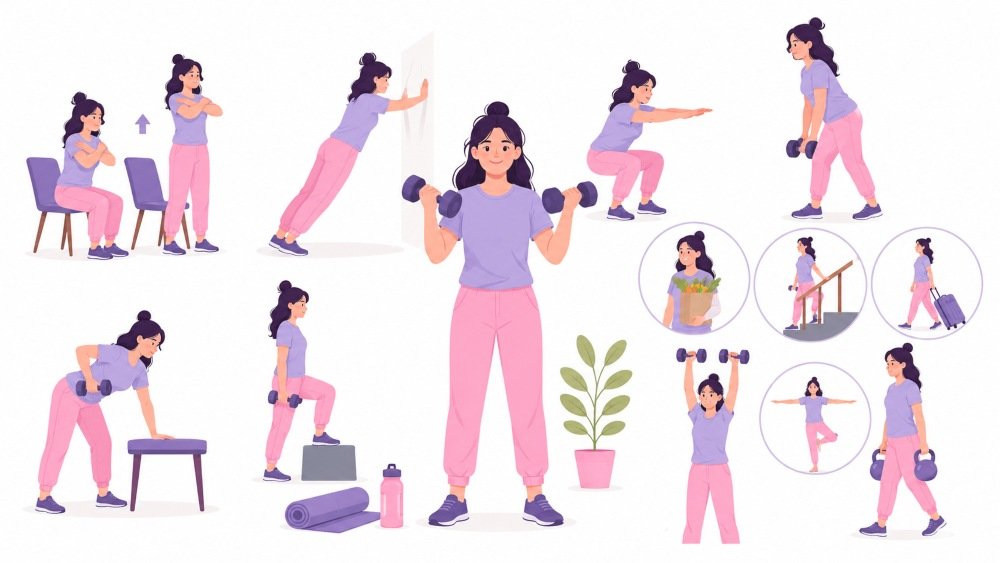
Can you carry shopping without discomfort? Get up from the floor? Lift a suitcase? Climb stairs confidently? Maintain balance when the pavement is uneven? These everyday abilities depend partly on muscle strength.
Strength training can include gym machines, dumbbells, resistance bands, bodyweight movements, or carefully chosen household exercises. It does not need to involve punishing sessions or lifting the heaviest possible weight.
A basic routine may use movements such as:
- Sitting down and standing up from a chair
- Wall or raised press-ups
- Squats
- Hip hinges
- Rows
- Step-ups
- Overhead presses
- Loaded carries
- Controlled core exercises
The NHS physical activity guidelines for adults recommend muscle-strengthening activity on at least two days each week, alongside regular aerobic movement.
Resistance exercise is also valuable for bones. The Royal Osteoporosis Society’s guidance on exercises for stronger bones explains how gradually performed resistance work can support muscle and bone strength.
Beginners can start with two short sessions per week and repeat a small number of movements. Increase repetitions or resistance gradually when the current level feels controlled. Sharp pain, dizziness, chest discomfort, or unusual breathlessness are reasons to stop and seek appropriate medical advice.
Stop Treating Carbohydrates as the Enemy
Carbohydrates provide energy, but online health advice often divides them into foods that are either completely safe or completely harmful. Real meals do not need to be judged so dramatically.
Bread, rice, pasta, oats, fruit, and potatoes can all fit within a balanced diet. The more helpful question is what accompanies them.
A carbohydrate-only snack may not remain satisfying for long. Pairing it with protein, fibre, or fat can make it more substantial. For example:
- An apple with peanut butter
- Oats with yoghurt and seeds
- Toast with eggs
- Rice with salmon and vegetables
- A potato with beans and cheese
- Crackers with hummus
- Fruit with yoghurt
Meal timing can matter too. Long gaps without eating may leave some women shaky, irritable, tired, or intensely hungry later. A planned snack is not a lack of control. It can be a sensible response to a long workday, evening class, commute, or late dinner.
The Diabetes UK guide to a healthy, balanced diet offers useful information about food groups and how different foods affect blood glucose.
Anyone with diabetes, gestational diabetes, polycystic ovary syndrome, or repeated symptoms of low blood sugar should follow advice from their healthcare team rather than copying a general meal plan from the internet.
Keep Water Where Life Actually Happens
“Drink more water” sounds simple until the bottle is in another room, meetings run back to back, or there is no easy opportunity to use the toilet.
Hydration becomes easier when it is attached to existing routines. Keep water beside the bed, on the desk, in a work bag, or near the place where medication is taken. Drink with meals rather than waiting until thirst becomes intense.
Tea, coffee, milk, and other suitable drinks can contribute to fluid intake, although water remains an inexpensive everyday choice. Fluid needs may rise during hot weather, exercise, illness, pregnancy, or breastfeeding.
The NHS advice on recognising and preventing dehydration lists warning signs such as dark urine, dizziness, thirst, a dry mouth, and passing urine less often than usual.
Women with heart failure, kidney disease, or another condition that affects fluid intake should follow the advice given by their medical team.
Schedule Health Care Before It Becomes Urgent
Preventive care is easy to postpone because it does not always produce an immediate result. Yet routine appointments can catch problems before they begin interfering with everyday life.
Depending on age, medical history, and personal circumstances, this may include:
- Cervical screening
- Breast awareness and appropriate breast screening
- Dental checks
- Eye tests
- Blood pressure checks
- Vaccinations
- Contraception reviews
- Medication reviews
- Menstrual or menopause support
- Mental health care
It can help to keep health reminders in the same calendar used for work and family commitments. Booking an appointment is easier when it is treated as a normal responsibility rather than something to arrange only after symptoms become severe.
Women should also feel able to return to a clinician when a concern has not been resolved. Being told that a result is normal does not mean persistent pain, heavy bleeding, unusual fatigue, or a major change in wellbeing should be ignored. Keeping a brief record of symptoms, dates, and their effect on daily life can make the next conversation more useful.
Make Movement Part of Ordinary Life
Exercise does not need to occur only in a gym. A ten-minute walk after lunch, carrying shopping, gardening, cleaning, dancing in the kitchen, or taking the stairs all count as movement.
This matters for women who feel they cannot begin until they have the correct clothing, a gym membership, or a full hour available. Waiting for ideal conditions can keep the body inactive for months.
Choose a minimum level of movement that remains possible on a busy day. It might be a walk around the block, five minutes of mobility work, or a few controlled exercises at home. Longer sessions can be added when time and energy allow.
The smaller habit is not pointless. It is the part that keeps the routine alive when life becomes difficult.
Build Health Around Your Real Week
A useful health plan should survive school runs, deadlines, family emergencies, periods, low-energy days, winter weather, and disrupted sleep. If it only works during a calm week, it is not yet practical enough.
Start with one or two actions:
- Add protein to breakfast.
- Book the appointment you have delayed.
- Move bedtime forward by fifteen minutes.
- Keep water on your desk.
- Complete two short resistance sessions each week.
- Prepare one reliable lunch for busy days.
- Take a brief walk after a meal.
Once an action feels ordinary, add another. Health is rarely transformed by one highly motivated Monday. It is built through small decisions that remain possible on an unremarkable Thursday.
Medical Disclaimer
This article provides general educational information and is not a substitute for diagnosis, treatment, or personalised medical advice. Speak with a GP, pharmacist, registered dietitian, physiotherapist, or another qualified healthcare professional before starting a new supplement, changing your diet significantly, or beginning exercise if you have symptoms, an existing condition, are pregnant, or take medication. Seek urgent medical help for severe or rapidly worsening symptoms.