


Looking after your health is not only something to think about later in life. The habits and health checks you build in your twenties, thirties, and forties can shape how you feel for decades. Many common conditions, including high blood pressure, sexually transmitted infections, diabetes, and high cholesterol, can develop quietly without obvious symptoms. By the time symptoms appear, the condition may already be affecting your well-being.
Regular health checks help you stay informed about what is happening inside your body. They also give you the chance to make small changes before problems become more serious. Whether you want more energy, better sleep, improved fitness, or peace of mind, preventive healthcare plays an important role.
In the UK, many screenings and GP services are available through the NHS, while others may be offered privately depending on your needs and age.
Why Preventive Health Checks Matter
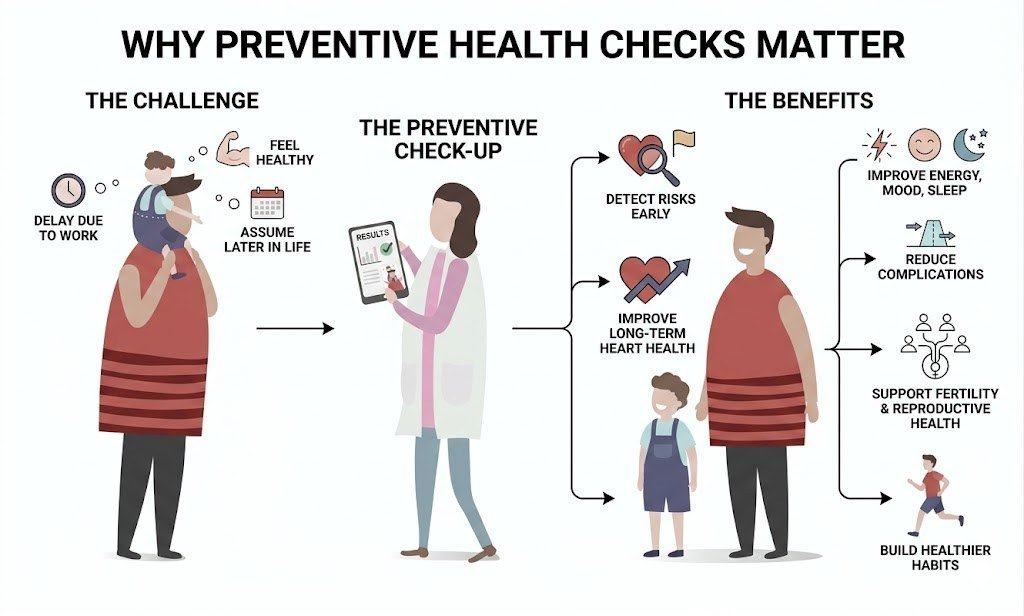
Preventive care is about identifying risks early rather than waiting until you feel unwell. Many adults delay appointments because they are busy, feel healthy, or assume problems only happen later in life. However, conditions such as high cholesterol, sexually transmitted infections, anxiety, vitamin deficiencies, and high blood pressure can affect adults at any age.
Routine screenings can help you:
- Detect health conditions before symptoms appear
- Improve long-term heart health
- Reduce the risk of complications
- Support fertility and reproductive health
- Improve energy, mood, and sleep
- Build healthier habits earlier in life
Small lifestyle adjustments become easier when you understand your personal health picture.
Health Checks in Your 20s
Your twenties are often busy with work, study, travel, and changing routines. Many people feel generally healthy during this stage of life, but it is still important to build strong preventive habits.
Sexual Health Testing
Sexual health should be a normal part of routine healthcare. Many sexually transmitted infections develop without noticeable symptoms, meaning someone can carry and spread an infection without realising it.
Adding a syphilis test to your routine is an important step if you are sexually active, especially if you have new or multiple partners. Syphilis cases have increased in the UK in recent years, particularly among younger adults. Early diagnosis allows for straightforward treatment with antibiotics, while untreated infections can lead to serious long-term complications affecting the nervous system, heart, and other organs.
You should also consider testing for:
- Chlamydia
- Gonorrhoea
- HIV
- Hepatitis B and C
The NHS offers confidential sexual health testing through clinics across the UK.
Cervical Screening
Women and people with a cervix in the UK are invited for cervical screening from the age of 25. This test checks for high-risk HPV and abnormal cell changes that may lead to cervical cancer if untreated.
Even if you feel healthy and have had the HPV vaccine, regular cervical screening remains important.
Mental Health and Stress
Your twenties can involve career pressure, financial stress, and major life transitions. Mental health deserves attention just like physical health.
Pay attention to:
- Ongoing anxiety
- Poor sleep
- Burnout
- Mood changes
- Difficulty concentrating
Speaking with a GP early can help prevent stress-related problems from worsening.
General Health Checks
Even in your twenties, it helps to know your baseline health markers, including:
- Blood pressure
- Weight and BMI
- Family medical history
- Vitamin levels if symptoms suggest deficiency
These checks help identify risks early, especially if conditions such as diabetes or heart disease run in your family.
Health Checks in Your 30s
By your thirties, responsibilities often increase. Careers become more demanding, family life changes, and healthy routines can become harder to maintain. This is often the decade where long-term health patterns begin to appear.
Blood Pressure and Cholesterol Monitoring
Your blood pressure and cholesterol provide insight into how your body responds to stress, diet, sleep, and lifestyle habits over time.
High blood pressure usually develops without symptoms, yet it increases the risk of heart disease and stroke. Similarly, raised cholesterol can gradually affect blood vessels for years before causing noticeable problems.
Adults over 30 should consider:
- Blood pressure checks every few years
- Cholesterol screening
- Blood sugar testing if overweight or at higher risk of diabetes
If you smoke, drink heavily, or have a family history of heart disease, earlier and more regular testing becomes even more important.
Fertility and Reproductive Health
Many people begin thinking more seriously about fertility during their thirties. Fertility naturally changes with age, and some hormone-related conditions may become more noticeable.
You may wish to discuss:
- Menstrual irregularities
- Low libido
- Fertility concerns
- PCOS symptoms
- Testosterone concerns in men
Monitoring hormonal balance can help identify underlying issues that may affect energy, mood, metabolism, or reproductive health.
Skin and Mole Checks
Skin cancer rates continue to rise in the UK, partly due to UV exposure over time.
Watch for:
- Moles changing shape or colour
- New growths
- Persistent skin irritation
People with fair skin, frequent sun exposure, or family history should be especially careful.
Dental and Eye Health
Dental and vision problems often develop gradually. Regular check-ups help prevent more serious complications later.
Aim for:
- Dental check-ups every 6 to 12 months
- Eye tests every 2 years, or more often if advised: book a free eye test to keep your vision on track between regular appointments.
Health Checks in Your 40s
Your forties are an important decade for preventive healthcare. The body becomes less resilient to long-term stress, poor sleep, inactivity, and unhealthy eating habits. Screening becomes increasingly valuable during this stage.
Heart Health Screening
Heart disease risk increases with age, especially if earlier warning signs were ignored.
Important checks include:
- Blood pressure
- Cholesterol
- Diabetes screening
- Weight and waist measurements
The NHS Health Check programme is available in England for adults aged 40 to 74 without pre-existing conditions. These assessments evaluate the risk of stroke, kidney disease, diabetes, and heart disease.
Perimenopause and Hormonal Changes
Many women begin experiencing perimenopause symptoms during their forties.
Common symptoms include:
- Sleep disruption
- Mood swings
- Irregular periods
- Brain fog
- Hot flushes
- Reduced energy
Speaking openly with a GP can help identify suitable management options, including lifestyle changes or hormone treatment where appropriate.
Cancer Screening Awareness
Cancer risk gradually increases with age, making screening and symptom awareness increasingly important.
Recommended UK screenings may include:
- Breast screening
- Cervical screening
- Bowel cancer screening
You should also pay attention to unexplained symptoms such as:
- Persistent fatigue
- Unusual bleeding
- Changes in bowel habits
- Unexplained weight loss
Bone and Joint Health
Muscle loss and reduced bone density can begin earlier than many people expect.
Regular exercise, especially resistance training and walking, helps maintain:
- Strength
- Mobility
- Bone health
- Balance
Vitamin D is also important in the UK due to limited sunlight during the winter months.
Lifestyle Habits That Support Long-Term Health
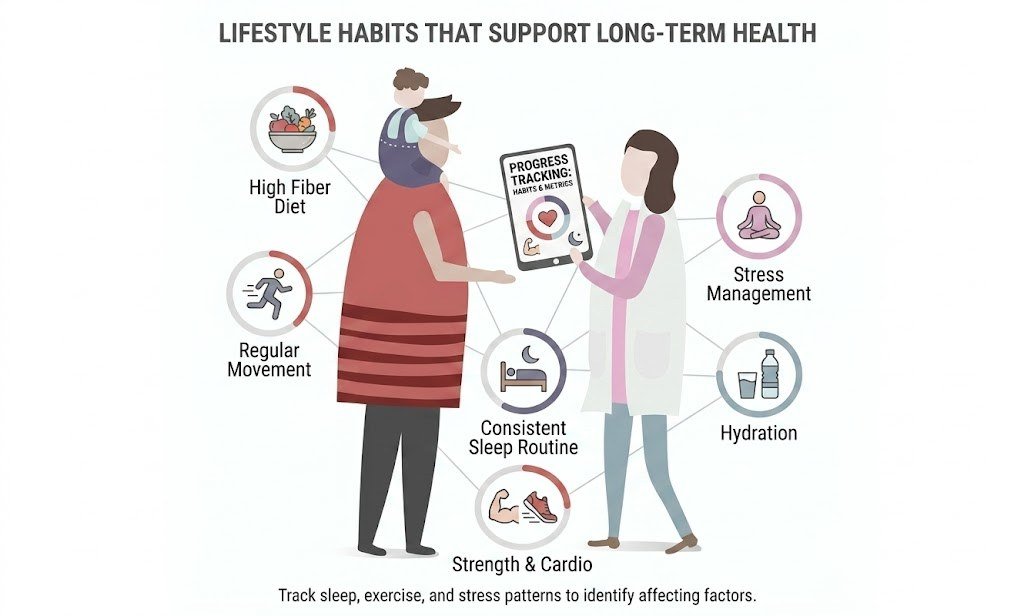
Health checks work best when combined with consistent daily habits. Small changes maintained over time usually have a greater impact than short periods of extreme dieting or exercise.
Focus on:
- Regular movement throughout the day
- Strength training and cardiovascular exercise
- Consistent sleep routines
- Managing stress levels
- Reducing smoking and excessive alcohol intake
- Eating more fibre, vegetables, and whole foods
- Staying hydrated
If you work long hours at a desk, simple habits such as short walks, stretching, and screen breaks can improve energy and reduce stiffness.
Tracking sleep, exercise, and stress can also help you identify patterns affecting your well-being.
When to Speak With a GP
You should not wait until symptoms become severe before seeking advice. It is worth speaking with a GP if you notice:
- Persistent fatigue
- Ongoing stress or anxiety
- Unexplained pain
- Changes in weight
- Sleep problems
- Sexual health concerns
- Hormonal symptoms
- Digestive issues
Early conversations often lead to simpler treatment and better outcomes.
Stay Ahead of Your Health at Every Age
Good health is rarely about one major decision. It usually comes from small actions repeated consistently over time. Regular screenings, honest conversations with healthcare professionals, and realistic lifestyle habits help you stay informed and prepared as your body changes through different stages of life.
When health checks become part of your normal routine, they stop feeling inconvenient and start becoming one of the most practical investments you can make in your future wellbeing.
Disclaimer
This article is for informational purposes only and does not replace professional medical advice, diagnosis, or treatment. Always consult your GP, NHS service, or qualified healthcare professional regarding personal medical concerns, symptoms, or screening recommendations.
References
- Fenton KA, et al. Measuring sexual behaviour: methodological challenges in survey research. Sex Transm Infect. 2001;77(2):84-92. DOI: 10.1136/sti. 77.2.84
- GBD 2019 Risk Factors Collaborators. Global burden of 87 risk factors in 204 countries and territories. Lancet. 2020;396(10258):1223-1249. DOI: 10.1016/S0140-6736(20)30752-2
- Whelton PK, et al. 2017 ACC/AHA guideline for high blood pressure in adults. Hypertension. 2018;71(6):e13-e115. DOI: 10.1161/HYP.0000000000000065
- Grundy SM, et al. 2018 guideline on the management of blood cholesterol. Circulation. 2019;139(25):e1082-e1143. DOI: 10.1161/CIR.0000000000000625
- Arnett DK, et al. 2019 ACC/AHA guideline on the primary prevention of cardiovascular disease. Circulation. 2019;140(11):e596-e646. DOI: 10.1161/CIR.0000000000000678
- Curry SJ, et al. Screening for skin cancer. JAMA. 2018;319(11):1134-1142. DOI: 10.1001/jama.2018.1623
- Santoro N, et al. The menopausal transition. Am J Med. 2021;134(8):978-992. DOI: 10.1016/j.amjmed.2021.03.028
- World Health Organization. Global health sector strategy on sexually transmitted infections 2022-2030. DOI: 10.2471/BLT.22.288441