



Renting in the UK has changed a lot over the past few years. For many tenants, finding a home is no longer just about viewing a flat, filling in forms, and waiting for a phone call. People now expect quicker replies, easier applications, clearer updates, and more control over the whole renting process.
That expectation is understandable. Most people already manage banking, shopping, food delivery, transport, bills, and appointments from their phones. Renting is one of the biggest financial commitments in everyday life, so tenants naturally expect the same level of convenience when looking for a home.
For landlords and letting agents, this shift is important too. The UK rental market remains competitive, and delays can affect everyone. Tenants may miss out on suitable homes, landlords may lose good applicants, and property managers may spend too much time chasing documents, answering repeated questions, or dealing with admin that could be handled more efficiently.
According to the Office for National Statistics, average UK private rents rose by 3.5% in the 12 months to April 2026, reaching £1,381 per month. That kind of pressure makes speed, transparency, and good communication even more important for renters and property professionals.
Why UK Renters Now Expect a Smoother Experience

Renting can be stressful. A tenant may be moving for work, starting university, separating from a partner, relocating with family, or trying to find somewhere affordable before their current tenancy ends. In that situation, slow replies and confusing processes can make the experience feel even harder.
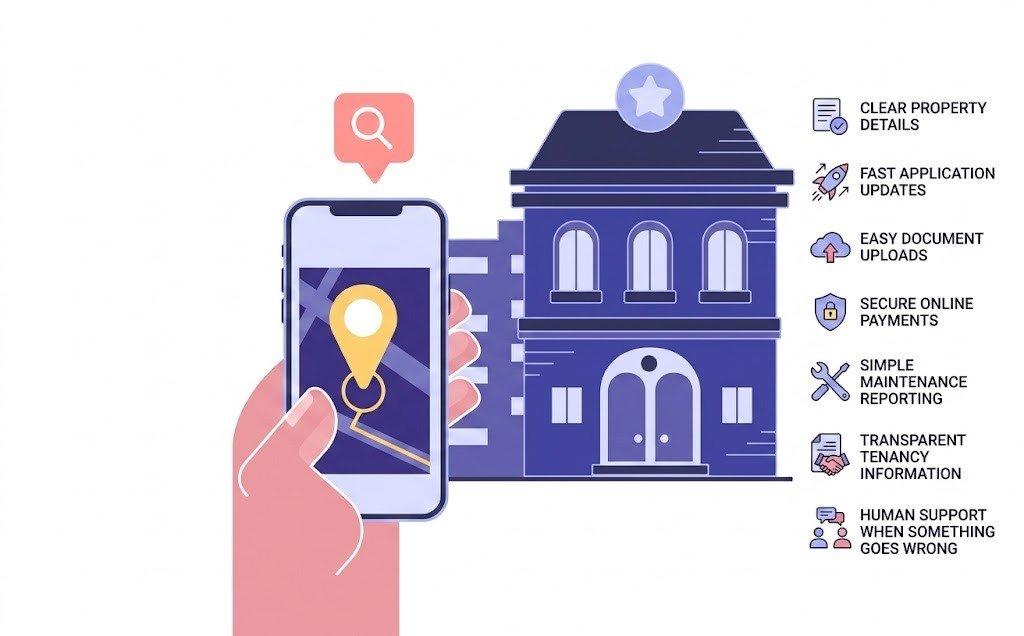
Modern renters want simple things:
- Clear property details
- Fast application updates
- Easy document uploads
- Secure online payments
- Simple maintenance reporting
- Transparent tenancy information
- Human support when something goes wrong
This does not mean every part of renting should become robotic. In fact, the best rental experiences combine useful technology with real human care. A tenant still wants to know that someone is listening, especially when the issue involves repairs, deposits, affordability, or moving dates.
Smarter Services Are Changing the Rental Journey
Technology is now shaping nearly every stage of renting. From property searches and virtual viewings to digital referencing and online tenancy documents, the process is becoming faster and more connected.
This is where AI in real estate is becoming more relevant. AI can help property businesses handle repetitive tasks, organise data, respond to common questions, and support better decision-making. Used properly, it does not replace the human side of renting. It removes friction so agents, landlords, and property managers can spend more time on the situations that need personal attention.
For example, AI-powered systems can help answer basic tenant questions, sort maintenance requests, suggest suitable properties, or highlight patterns in repairs and tenant communication. But in the UK, these tools must be used carefully, especially where personal data, affordability checks, or automated decisions are involved. The Information Commissioner’s Office provides detailed guidance on automated decision-making and profiling under UK data protection rules.
Faster Applications Can Reduce Stress
One of the biggest frustrations for tenants is waiting. A person may view a property they like, submit an application, and then spend days wondering what is happening. In a fast-moving rental market, that delay can feel exhausting.
Digital applications can make this process smoother. Tenants can upload documents, complete forms, provide references, and sign agreements online. This helps agents process applications faster and gives renters clearer updates.
Speed matters because many people are applying under pressure. They may need to secure a home before starting a new job, before the school term begins, or before their current tenancy ends. A faster process can make the move feel less chaotic.
However, speed should not mean cutting corners. Letting agents and landlords still need to follow the rules, handle data securely, and treat applicants fairly. In England, landlords and agents must also comply with Right to Rent checks where applicable. GOV. The UK explains that these checks are used to confirm that people can legally rent in England.
Virtual Viewings Are Now Part of Normal Renting
Virtual viewings became more common during the pandemic, but they have remained useful because they save time. A tenant can look around a property online before deciding whether to visit in person. This is especially helpful for people moving between cities, relocating from abroad, or searching in expensive areas where properties move quickly.
Video tours, 360-degree images, live video calls, and detailed floor plans can help renters narrow down their choices. They can also reduce wasted viewings for agents and landlords.
Still, virtual viewings should be honest and complete. Tenants need accurate photos, realistic room sizes, clear information about heating, council tax, broadband availability, parking, transport links, and local amenities. A polished video is useful, but it should not hide problems such as damp, poor lighting, noise, or lack of storage.
Mobile-First Communication Is Becoming Essential
Many renters do not want to wait on hold or chase emails. They want quick updates through a phone-friendly system. This could be an app, a portal, SMS alerts, WhatsApp-style messaging, or email notifications that actually explain what is happening.
Good communication can make a huge difference. A tenant who knows their application is being reviewed feels less anxious than one who hears nothing. A tenant who receives maintenance updates feels more respected than one who has to keep chasing.
For property managers, mobile-first communication can also reduce workload. Instead of repeating the same answers by phone, they can send clear updates, automated reminders, and useful documents in one place.
Maintenance Requests Need More Transparency
Repairs are one of the most emotional parts of renting. If the heating stops working, a leak appears, or mould becomes a problem, tenants want a quick response and a clear plan.
Online maintenance reporting can help because tenants can submit photos, describe the issue, and track progress. Property managers can assign contractors, keep records, and update tenants more easily.
This is not just about convenience. It also helps build trust. Tenants are more likely to feel respected when they can see that their issue has been logged, reviewed, and actioned.
For landlords and agents, better maintenance systems can also reduce disputes. Clear records show when an issue was reported, what action was taken, and when contractors attended.
Digital Trust Matters More Than Ever
Renting involves sensitive information. Tenants may share ID documents, bank details, employment information, references, income details, and previous addresses. That means digital trust is essential.
Any rental platform or property management system should take data protection seriously. Tenants should understand why their information is being collected, how it will be used, and who will have access to it.
This becomes even more important when AI or automated tools are involved. If technology is used to support referencing, affordability checks, or tenant screening, the process must be fair, transparent, and compliant with UK data protection expectations. The ICO’s guidance on automated decision-making is especially relevant for businesses using systems that may affect people’s access to services.
UK Rental Rules Are Changing Too
Technology is not the only thing reshaping renting. Legal changes are also affecting how landlords, agents, and tenants manage the rental relationship.
In England, the Renters’ Rights Act 2025 introduced new rules from 1 May 2026 for many private rented sector tenancies. The government’s Renters’ Rights Act Information Sheet 2026 explains how these changes may affect tenants and landlords.
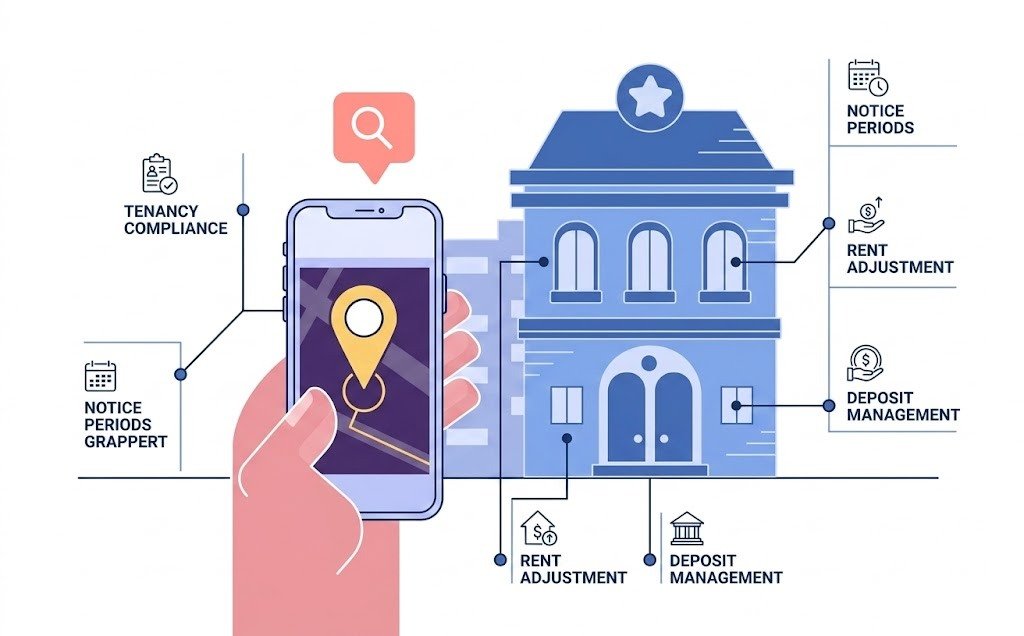
This matters because rental technology must support compliance, not just speed. If systems are used for tenancy documents, notices, deposits, rent changes, or tenant communication, they need to reflect current rules.
For example, GOV. The UK states that landlords and agents in England must provide the official Renters’ Rights Act Information Sheet 2026 to tenants where required.
Tenants Still Need Clear Information About Fees and Deposits
Convenience should never come at the cost of transparency. Tenants should understand what they are paying, what is refundable, and what is legally allowed.
In England, the Tenant Fees Act limits many charges. A refundable tenancy deposit is generally capped at five weeks’ rent where annual rent is less than £50,000, or six weeks’ rent where annual rent is £50,000 or more. Holding deposits are also capped.
This is an area where digital systems can help. A good platform can show tenants what they are paying, provide receipts, store documents, and make important information easier to access.
But landlords and agents should avoid hiding key details in small print. A smoother process should also be a clearer process.
Personalised Property Searches Can Save Time
Many renters are tired of scrolling through homes that do not match their needs. A student looking for a shared flat near a university has different priorities from a family looking for a garden and a school catchment area. A remote worker may care more about broadband speed and workspace. A commuter may focus on train links and travel costs.
Smarter property platforms can use preferences to show more relevant homes. This can include location, budget, bedroom count, pet suitability, transport links, energy efficiency, parking, accessibility, and move-in date.
Personalisation can make renting feel less overwhelming. Instead of searching through hundreds of listings, tenants can focus on the homes that actually match their lifestyle.
Flexible Renting May Become More Important
UK renters are not all looking for the same type of tenancy. Some want long-term security. Others need flexibility because of work, study, family changes, or relocation.
This means landlords and letting agents may need to think more carefully about tenant needs. Flexibility does not mean poor structure. It means giving renters clearer options and making the process easier to understand.
The government’s guidance on assured periodic tenancies explains the framework for this type of tenancy in England, including how it applies where the property is the tenant’s main home and the landlord does not live there.
Technology Should Support People, Not Replace Them
The future of renting should not feel cold or impersonal. A tenant might use an app to apply for a property, but they still need reassurance when something goes wrong. A landlord might use software to track repairs, but they still need good judgment when handling sensitive tenant situations.
The best rental businesses will use technology to remove unnecessary stress, not to avoid responsibility.
That means:
- Faster replies, but not careless replies
- Digital forms, but not confusing forms
- Automated updates, but not silence when human help is needed
- Data-driven decisions, but not unfair treatment
- Smart systems, but still strong customer service
Renting is personal because home is personal. Technology can improve the process, but trust still comes from people.
What This Means for UK Landlords and Letting Agents
For landlords and letting agents, the message is clear. Renters are expecting better service. They want speed, transparency, convenience, and respect.
Businesses that adapt will stand out. Those who still rely on slow paperwork, unclear communication, and outdated processes may struggle to keep up.
A modern rental experience should help landlords reduce admin, help agents manage workloads, and help tenants feel more informed. When done properly, everyone benefits.
What This Means for Tenants
For tenants, smarter renting can make the process less stressful. It can make applications faster, repairs easier to report, documents simpler to access, and communication more reliable.
But tenants should still stay careful. Before signing anything, they should check the tenancy terms, understand fees and deposits, confirm the landlord or agent is legitimate, and keep copies of important documents.
Technology can make renting easier, but it should not replace common sense.
Final Thoughts
The future of renting in the UK is not only about apps, AI, or digital documents. It is about making the rental experience more human.
Tenants want to feel informed, respected, and supported. Landlords want reliable tenants and smoother management. Letting agents want fewer delays and better systems. Smarter technology can help connect all of these needs.
The rental businesses that succeed will be the ones that combine speed with trust, automation with empathy, and convenience with clear communication.
Renting will always involve people making big life decisions. The goal of better technology should be simple: make those decisions easier, safer, and less stressful.