


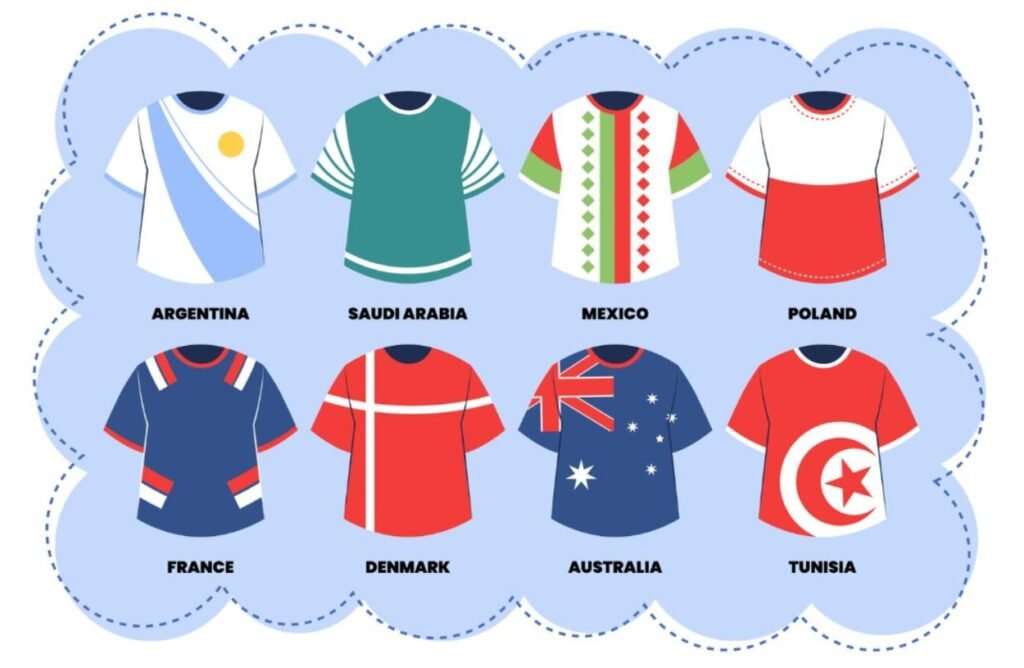
Football shirts have never held more cultural relevance than they do today. In the UK, especially, they have moved far beyond matchday attire to become everyday fashion staples, collector’s items, and symbols of identity. From stadiums to city streets, and even high fashion circles, football shirts are now worn by a diverse audience that includes fans, trend followers, and casual consumers alike.
Understanding this surge in popularity means looking at a mix of cultural, commercial, and social factors that have aligned over recent years.
Football Shirts as Symbols of Identity and Fan Culture

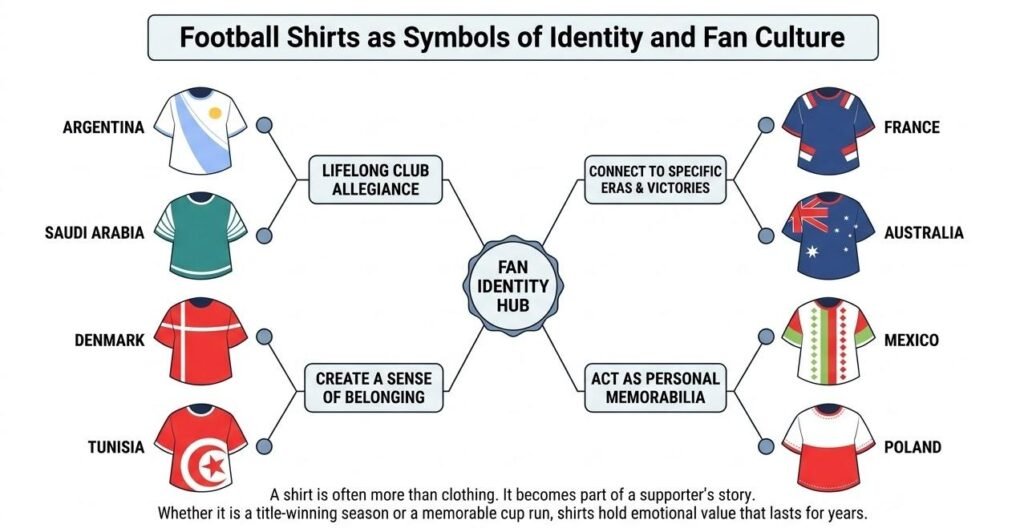
At their core, football shirts remain deeply tied to identity. For supporters, wearing a shirt is one of the simplest and strongest ways to show loyalty to their club.
Why fans value football shirts:
- Represent lifelong club allegiance
- Connect to specific players, eras, or victories
- Create a sense of belonging within fan communities
- Act as personal memorabilia tied to emotional moments
A shirt is often more than clothing. It becomes part of a supporter’s story. Whether it is a title-winning season or a memorable cup run, shirts hold emotional value that lasts for years.
Where shirts are worn today:
| Setting | Purpose |
|---|---|
| Stadiums | Show support and unity |
| Social gatherings | Express identity among peers |
| Everyday wear | Casual fashion and comfort |
| Special events | Celebrating big matches or tournaments |
This blend of emotional and practical value has helped football shirts remain relevant across generations.
Growing Market for Replica Shirts
The popularity of football shirts is strongly reflected in their commercial success. The market has grown rapidly, driven by global demand and easier access through online platforms.
Key market insights:
- The global football merchandise market reached $14.7 billion in 2024, according to Global Market Insights
- The UK replica kit market alone is valued at over £200 million
- Online sales now dominate, making shirts accessible worldwide
- International fans contribute significantly to Premier League merchandise demand
Factors driving market growth:
- Global fanbases of UK clubs
- Increased digital retail availability
- Frequent kit releases and limited editions
- Strong branding and sponsorship deals
| Growth Driver | Impact on Popularity |
|---|---|
| Online stores | Easier access for global fans |
| Social media | Promotes new releases instantly |
| Club success | Boosts demand for shirts |
| Limited editions | Creates urgency and exclusivity |
This growth shows that football shirts are no longer just local fan items but global products with strong demand.
Fashion, Streetwear and Retro Nostalgia
One of the biggest reasons for the rise in football shirt popularity is their crossover into fashion. Shirts are no longer confined to matchdays. They are now part of everyday style.
The rise of blokecore, a trend built around vintage football shirts paired with jeans and trainers, has played a major role in this shift.
Why football shirts appeal to fashion audiences:
- Bold colours and unique designs
- Oversized and comfortable fit
- Vintage appeal from the 1990s and early 2000s kits
- Cultural authenticity compared to fast fashion
Popular styling trends in the UK:
- Shirt with denim and trainers
- Layered over hoodies or long sleeves
- Paired with tailored trousers for contrast
- Worn as oversized streetwear
Retro shirts are especially valuable. Designs from the past are now seen as iconic rather than outdated.
The Liverpool Adidas shirt, for instance, carries the weight of a storied historical partnership, connecting fans to some of the club’s most successful European moments. This kind of heritage adds both emotional and fashion value, making such shirts highly desirable.
New Kit Launches and Commercial Partnerships
Modern football shirt launches have become major cultural and commercial events. Clubs no longer release kits. They build campaigns around them.
How kit launches have evolved:
- High-quality promotional videos
- Collaborations with influencers and celebrities
- Social media teasers and countdowns
- Global marketing campaigns
Why launches generate so much attention:
| Element | Effect |
|---|---|
| Storytelling | Builds emotional connection |
| Limited releases | Increases demand |
| Player involvement | Attracts fan interest |
| Brand collaborations | Expands audience beyond football |
The scale of football’s global reach continues to fuel this growth. The Premier League Annual Report 2024/25 highlights record-breaking attendance and international viewership, which directly increases exposure for club merchandise and kit partnerships.
As a result, shirts are no longer just sportswear. They are part of a wider entertainment and branding ecosystem.
Practical Reasons People Buy Football Shirts

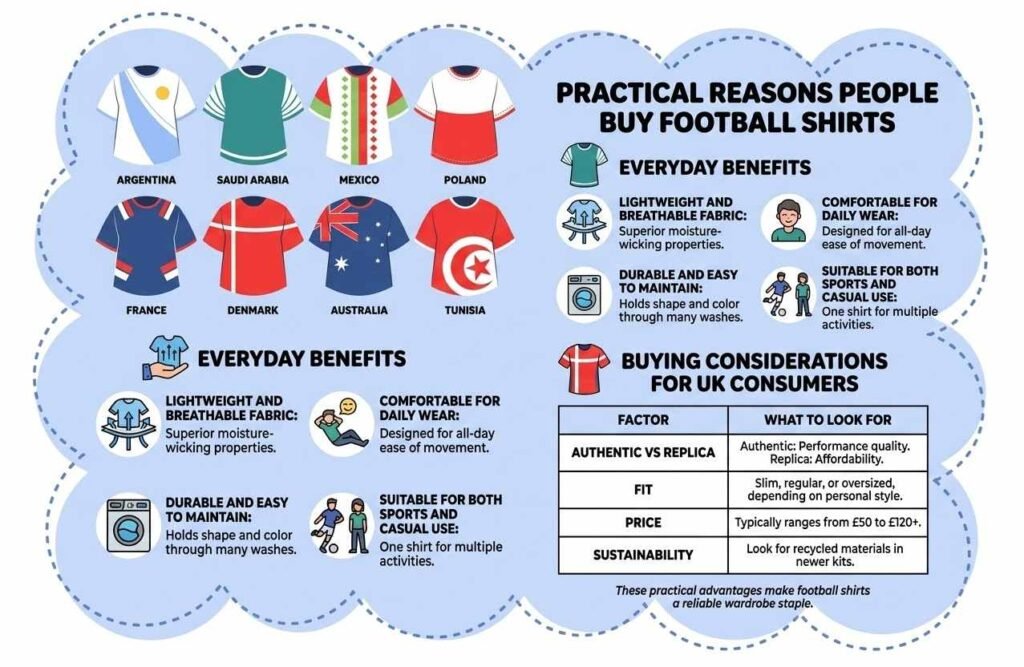
Beyond culture and fashion, there are simple, practical reasons why football shirts remain popular.
Everyday benefits:
- Lightweight and breathable fabric
- Comfortable for daily wear
- Durable and easy to maintain
- Suitable for both sports and casual use
Buying considerations for UK consumers:
| Factor | What to Look For |
|---|---|
| Authentic vs replica | Authentic offers performance quality, replica offers affordability |
| Fit | Slim, regular, or oversized depending on style |
| Price | Ranges from £50 to £120+ |
| Sustainability | Look for recycled materials in newer kits |
These practical advantages make football shirts a reliable wardrobe option, not just a fan item.
Role of Social Media and Influencers
Social media platforms have significantly boosted the visibility of football shirts.
Key influences:
- TikTok fashion trends like blokecore
- Instagram styling inspiration
- Football influencers showcasing collections
- Resale platforms highlighting rare shirts
This constant exposure keeps football shirts relevant and desirable, especially among younger audiences.
Conclusion
The rise of football shirts in the UK is the result of multiple forces coming together. Strong fan identity, growing global markets, fashion influence, and powerful marketing have all contributed to their popularity.
From emotional connections to practical everyday use, football shirts now serve many purposes. Whether worn in the stands, on the streets, or styled as part of modern fashion, they continue to evolve while staying rooted in the passion of the game.
With global demand rising and innovation continuing in design and marketing, football shirts are set to remain a key part of both football culture and everyday life for years to come.