


Most businesses know they “need digital marketing,” but very few can confidently answer a simple question: which channels are actually driving revenue, and which ones are just generating noise?
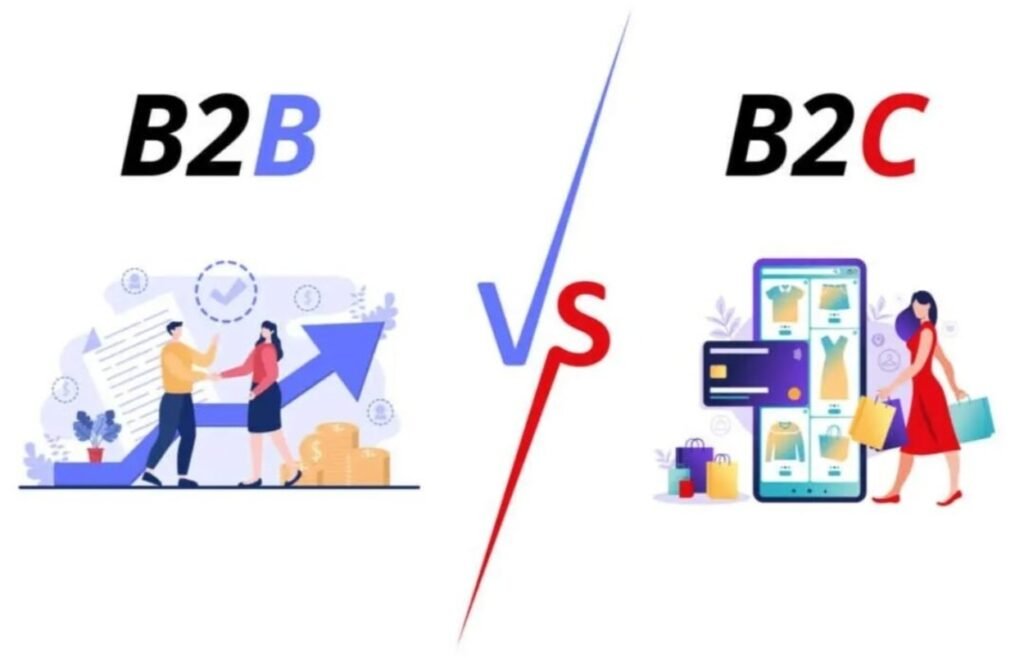
The answer often depends on whether you’re selling to other businesses (B2B) or directly to consumers (B2C). The buyer journey, decision-making process and sales cycle length all change how each channel performs. Understanding these differences is what turns an unfocused mix of tactics into a clear strategy.
Early on, many brands partner with agencies offering digital marketing services in Melbourne because they want exactly that clarity: which levers to pull for their market, and in what order.
B2B vs. B2C: Different Journeys, Different Channel Roles
B2C decisions are usually faster and more emotional. A firm offer, persuasive ad and smooth checkout can turn a stranger into a customer within minutes. B2B decisions are slower and more rational, involving multiple stakeholders and longer consideration phases.
That single difference shapes everything. B2C channels need to create quick attention and low-friction buying journeys, while B2B channels need to build trust, authority and relationships over time. It’s not that each side uses totally different channels; they use many of the same ones, search, social, email, and content, but for different purposes and at different stages of the funnel.
Search and SEO: High-Intent Traffic for Both
Search is one of the few channels that works powerfully in both B2B and B2C when done well.
For B2C, SEO and paid search capture people in “I want it now” mode, looking for products, local services and instant solutions. For B2B, search is often how decision-makers begin their research: comparing providers, reading guides and shortlisting vendors.
The key difference is intent mapping. B2C sites usually focus on product or category pages and quick conversions. B2B sites invest more heavily in educational content, case studies and comparison pages that match earlier stages of the buying journey. In both cases, the winners are those who connect ranking keywords to revenue, not just celebrate higher traffic.
Paid Ads: Speed vs. Precision
Paid ads (Google Ads, LinkedIn Ads, Meta, display) exist in both worlds, but their job changes.
B2C brands often rely on ads as a direct-response engine. A strong creative, targeted correctly, can quickly turn budget into sales, especially for e-commerce. Retargeting then helps recover abandoned carts and re-engage visitors who browsed but didn’t buy.
B2B ads usually perform best when they’re treated as a way to amplify content and generate qualified leads rather than instant purchases. Instead of pushing “Buy Now,” B2B ads promote webinars, guides, trials or tools that open a conversation. Those leads then move through nurture flows, sales calls and internal approvals.
In both models, the landing page experience is critical. A great ad sending traffic to a slow, confusing or generic page is just paid disappointment.
Social Media: Awareness and Relationship Building
Social media can drive revenue, but only when you’re clear about its role.
For B2C, social platforms like Instagram, Facebook and TikTok are ideal for product discovery, visual storytelling and social proof. When combined with easy checkout and remarketing, they can move people from “never heard of you” to “bought from you” surprisingly quickly.
For B2B, social is more about visibility and authority. LinkedIn is often the primary platform where decision-makers see your insights, case studies and updates. They may not click “Book a call” right away, but they remember who consistently shares helpful ideas, and that familiarity matters when vendor discussions begin.
The gap many brands fall into is treating social as a silo. The best results come when social support search, content, email and sales are not when it’s run as an isolated activity chasing likes.
Content and Email: Long-Term Revenue Engines
Content marketing and email rarely deliver overnight wins, but they underpin long-term revenue for both B2B and B2C.
For B2C, content helps answer questions, compare options and reduce returns by setting the right expectations. Email drives retention and lifetime value through welcome flows, post-purchase education, offers and reactivation campaigns.
For B2B, content is often the leading trust builder. Detailed articles, case studies, industry reports, Vidico’s explainer video portfolio and comparison pages show expertise and de-risk the decision for stakeholders. Email then nurtures leads over weeks or months, keeping you top of mind as internal conversations evolve.
When content and email are treated as strategic assets rather than “extras,” they become some of the highest-ROI channels over time.
Why Your Website Experience Decides Everything
No matter which channels you invest in, every serious prospect eventually ends up on your website. If that experience is weak, everything else underperforms.
A slow, cluttered or outdated site will quietly drag down the results of SEO, ads and social. If visitors can’t quickly understand who you help, what you do and how to take the next step, you’ll lose them before they become leads or customers.
That’s why many brands pair growth strategy with focused web design services in Melbourne to improve conversion rates. Minor improvements to messaging, layout, mobile usability and forms can dramatically increase revenue from the same amount of traffic.
From “Doing Everything” to Doing What Works
The most significant difference between businesses that see strong ROI and those that don’t isn’t how many channels they’re on, but how intentional they are.
For most B2C brands, the core mix ends up being search (SEO and paid), social and email, all feeding into a high-performing website. For most B2B brands, it’s SEO, content, LinkedIn, targeted ads and structured nurture, all supporting a considered sales process.
Instead of trying to be everywhere, it’s usually smarter to go deeper on the few channels that best fit your audience and sales cycle, then iterate based on real data rather than guesses. With the right partner guiding your digital marketing services end-to-end, you can turn scattered tactics into a coherent system that consistently drives leads, sales and long-term growth without wasting time and budget on channels that aren’t built for how your customers actually buy.
Final Recommendation
Whether you’re B2B or B2C, the goal of digital marketing isn’t to “use more channels,” it’s to build a system where each channel has a defined role in driving revenue. Start by mapping your actual buyer journey, not the one you assume exists. Identify where prospects first discover you, what convinces them to trust you and what finally pushes them to act.
From there, prioritise two or three core channels that align with how your customers buy, and invest in making those channels work together. Track performance beyond surface metrics like clicks or followers and tie activity back to leads, sales and lifetime value. Just as importantly, make sure your website experience is strong enough to convert the attention you’re paying for or earning.
Businesses that grow sustainably aren’t the ones chasing every new platform or tactic. They’re the ones that focus, measure, refine and double down on what works, using data to guide decisions rather than assumptions. With a clear strategy, the right execution and ongoing optimisation, digital marketing stops being a cost centre and becomes a predictable driver of growth.