



You know that feeling when you walk into your office and realise it’s looking a bit worse for wear? Maybe the furniture has seen better days, there’s never a free meeting room, or your team has grown so much that space is becoming a problem. Whatever’s bothering you, it might be time to think about a refurbishment.
For Newcastle businesses, giving an existing office a makeover can make far more sense than packing everything up and moving somewhere new. Of course, there’s more to it than choosing furniture and picking paint colours. If you want to spend your money wisely, it’s worth thinking through a few things before getting started.
What’s Actually Wrong With Your Current Office?
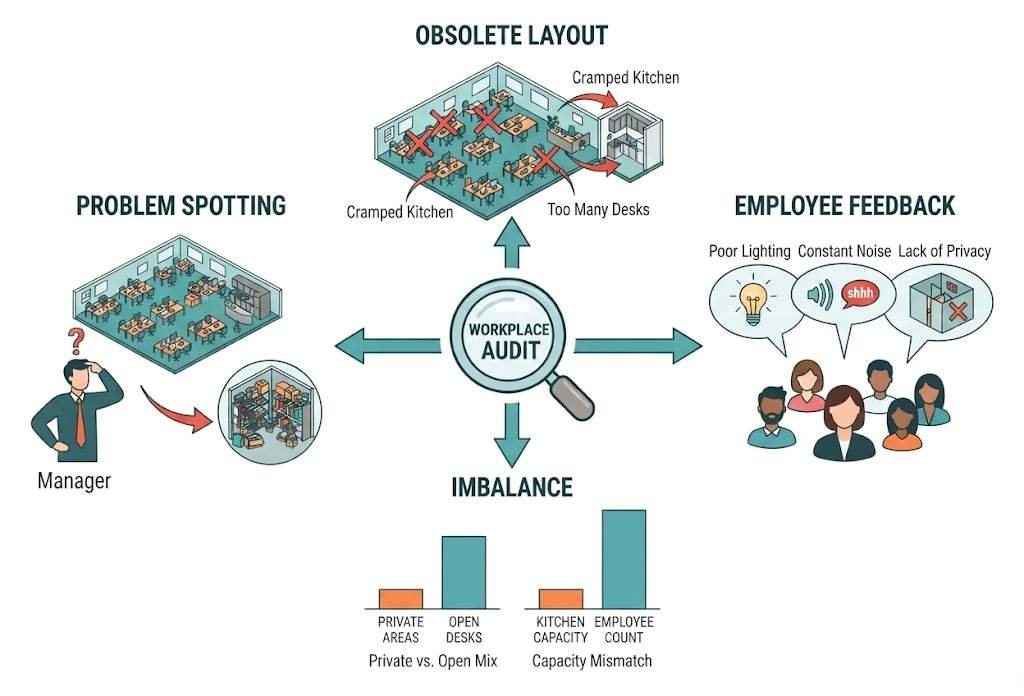
Before you start scrolling through office design inspiration, have a proper look around your workplace. What would you change if you could?
Perhaps the layout made sense when you first moved in, but your business has changed since then. You might have too many desks, not enough private areas, or a kitchen that’s barely big enough for two people to make tea.
Ask your employees what they think, too. Someone who’s been putting up with poor lighting or constant noise for months will probably have a few suggestions. You don’t have to act on every request, but their feedback could help you spot problems you’ve overlooked.
How Much Can You Comfortably Spend?
Refurbishment costs can creep up surprisingly easily. You might start out planning to replace a few desks and end up considering new flooring, lighting and an entirely different layout.
Before committing to anything, work out what you’re prepared to spend and which improvements matter most. If your budget won’t stretch to everything, prioritise changes that will make the biggest difference to everyday working life.
Don’t forget about the less exciting expenses, either. Electrical upgrades, professional fees and temporary working arrangements all need factoring in.
If you’re based in an older Newcastle building, setting aside money for unexpected repairs is especially sensible. Nobody enjoys discovering a wiring problem halfway through a project.
Does Your Layout Suit How People Work?
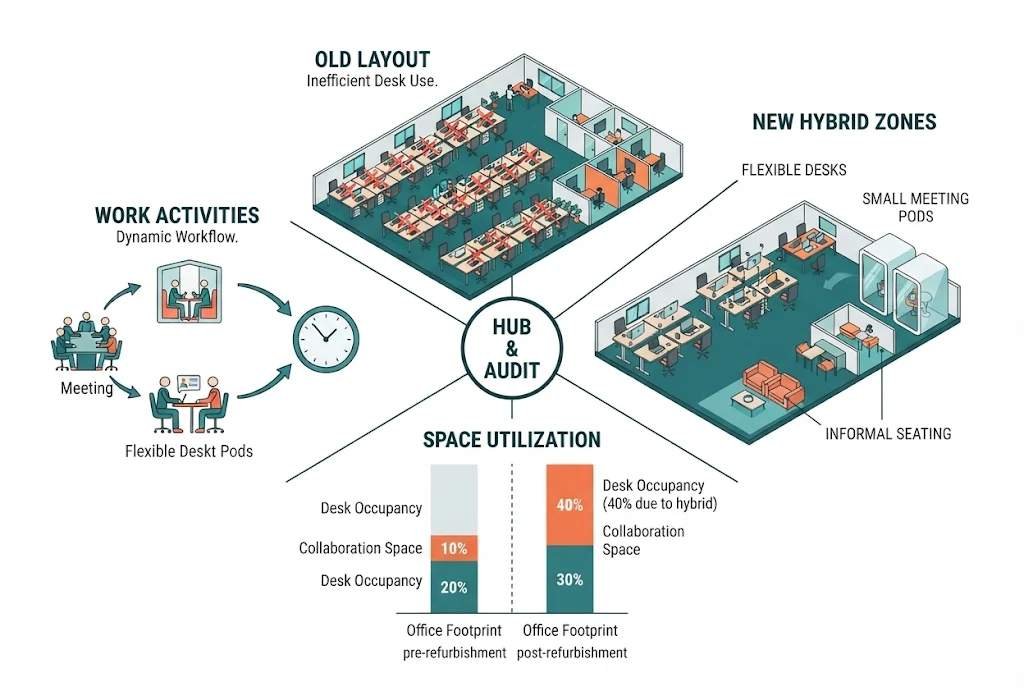
Think about what happens in your office on an ordinary Tuesday. Are most employees sitting at their desks all day, or are people constantly moving between meetings, phone calls, and collaborative work?
If you’ve introduced hybrid working, you might have entire sections of the office sitting empty for half the week. On busier days, though, finding somewhere quiet for a call can be almost impossible.
This is where thoughtful design makes a difference. When looking into office refurbishment Newcastle, consider whether flexible desks, smaller meeting rooms, or informal seating areas would help you use your space better.
You don’t necessarily need a bigger office. You might just need one that works differently.
What About The Building Itself?
Newcastle has plenty of older commercial properties with real character, but they’re not always the easiest buildings to update.
Depending on where you’re based, you might need to deal with ageing electrics, inefficient heating or awkward layouts. If you’re renting, check what your lease allows before making any major alterations.
You’ll also need to think about fire safety, accessibility and building regulations. Some projects may require additional permissions, especially if your property is listed. It’s much easier to sort these things out before work begins than to discover halfway through that your plans need changing.
Will Your Employees Actually Enjoy Working There?
A beautiful office means very little if everyone spends the day complaining that it’s freezing or they can’t hear themselves think.
Make comfort part of your plans from the beginning. Think about natural light, noise levels, ventilation, and whether employees have enough space to work without constantly disturbing each other.
You could also consider somewhere comfortable for lunch breaks or informal conversations. It doesn’t have to be anything extravagant. Sometimes a decent kitchen, comfortable seating, and a quieter corner can improve the workday more than an expensive design feature.
How Will You Manage The Disruption?
One thing that’s easy to underestimate is how much refurbishment work can interfere with your normal routine.
Your customers will still need attention, your employees will still have deadlines, and your business can’t necessarily shut its doors for several weeks.
Speak to your refurbishment team about completing work in stages or scheduling particularly noisy jobs outside working hours. If remote working is possible, you might find it easier to have employees work from home temporarily.
Whatever you decide, give everyone plenty of notice so they can plan around it.
Will Your Office Still Work In Five Years?
Try to picture where your business might be a few years from now. Are you planning to recruit more people? Could your working arrangements change again?
Rather than designing everything around your current headcount, think about furniture and layouts you can adapt later.
It’s also worth looking at energy-efficient lighting and heating improvements. They might not be the most exciting part of your refurbishment, but you’ll appreciate lower running costs long after the work is finished.
Key Takeaways
- Start with the problems. Find out what needs improving before making design decisions.
- Keep your budget realistic. Allow for unexpected costs as well as the obvious expenses.
- Listen to your employees. They know which parts of the office aren’t working.
- Check building requirements. Don’t make permissions and safety considerations an afterthought.
- Plan for change. Your refurbished office should have room to adapt as your business develops.
Frequently Asked Questions
| Question | Answer |
|---|---|
| How Long Does An Office Refurbishment Take? | It depends on your office size and how much you’re changing. A relatively simple refresh could take a few weeks, while larger projects involving significant building work may take several months. |
| Can You Continue Working During A Refurbishment? | Often, yes. You may be able to refurbish your office in stages or arrange temporary remote working. It depends on the work involved and whether the remaining areas are safe to use. |
| Do You Need Planning Permission? | Not always. Many internal changes won’t need planning permission, although building regulations and other approvals may still apply. If your premises are listed or you’re planning substantial alterations, check with the relevant authorities first. |
| Is Refurbishment Better Than Relocating? | If you like your current location and the building can accommodate your needs, refurbishment may be the more practical choice. However, moving might make more sense if you’ve completely outgrown the premises. |
Make The Most Of Your Existing Space
There’s something satisfying about turning a tired office into somewhere people actually want to spend time. And you don’t necessarily need a huge budget or a dramatic redesign to achieve it.
Focus on what will make your workday easier, involve your employees in the conversation, and be realistic about what you can afford. Get those decisions right, and your refurbished Newcastle office could feel like a completely different workplace without changing your address.