



Online gaming and digital casino platforms continue to grow worldwide, including among users in Saudi Arabia, the wider Middle East, and UK-based travellers or expats accessing international platforms abroad. While convenience, entertainment, and mobile accessibility attract millions of users, cybersecurity and data privacy remain major concerns that many players still underestimate.
For UK users especially, awareness around digital privacy has increased significantly over the past few years due to rising reports of:
- Identity theft
- Banking fraud
- Account takeovers
- Phishing scams
- Fake gaming platforms
- Data breaches involving personal information
Many people focus heavily on bonuses, game variety, or payout speed when choosing a gaming platform. Far fewer stop to think about how securely their personal information is being stored or whether the operator follows recognised safety standards.
The sites featured in this Saudi Arabia casino guide featured on Haz-Tayeb.com highlight internationally recognised gaming operators working under established licensing frameworks, which is one of the first things security-conscious users should look for.
This guide explains practical, realistic ways UK users and international players can stay safer online while gaming, with advice focused on actual cybersecurity habits rather than marketing claims.
Why Data Protection Matters More Than Ever

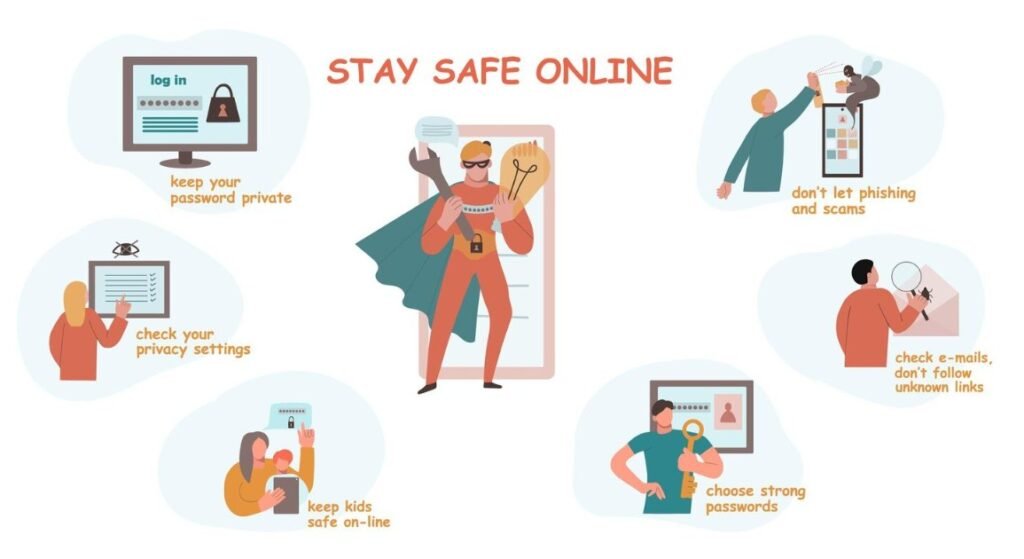
Most online gaming accounts store far more information than people expect.
A typical platform may collect:
- Full legal name
- Date of birth
- Home address
- Passport or driving licence verification
- Payment card details
- Banking information
- Device fingerprints
- IP address data
- Transaction histories
- Gambling activity patterns
That information has real financial value to cybercriminals.
According to the UK National Cyber Security Centre, credential theft and phishing attacks remain among the most common methods used to compromise online accounts. Once attackers gain access to one account, they often attempt to reuse those credentials across email, banking, and shopping platforms.
This becomes even riskier when:
- Users reuse passwords
- Platforms lack strong encryption
- Public Wi-Fi is involved
- Identity documents are uploaded carelessly
For UK travellers accessing international gaming sites abroad, awareness becomes even more important because not every overseas operator follows the same data protection expectations as UK-regulated companies.
Why Licensing and Regulation Matter So Much
One of the biggest differences between trustworthy and risky gaming platforms is regulation.
Properly regulated operators are usually required to follow strict standards covering:
- User privacy
- Financial security
- Fair gaming
- Anti-money laundering compliance
- Responsible gambling practices
- Complaint resolution procedures
Trusted Regulators UK Users Should Recognise
The UK Gambling Commission remains one of the strictest regulators globally. UKGC-licensed operators must meet extensive consumer protection requirements.
Other respected regulators include:
- Malta Gaming Authority
- Gibraltar Regulatory Authority
- Isle of Man Gambling Supervision Commission
What You Should Always Check Before Signing Up
Before registering anywhere, always check:
- Licence number
- Issuing authority
- Privacy policy
- Terms and conditions
- Company ownership details
Professional operators usually display this information clearly in the footer section of the website.
If licensing information is hidden, vague, or impossible to verify, that is a serious warning sign.
UK Users Should Understand Data Protection Risks Abroad
UK users are generally familiar with UK GDPR and stricter data privacy expectations. However, international gaming sites may not operate under the same legal standards.
This creates important questions:
- Where is your data stored?
- Who can access it?
- Is it shared with third parties?
- How long is it retained?
- Are uploaded ID documents encrypted?
Many users upload passports or driving licences during identity verification without considering the long-term implications if the platform suffers a data breach later.
Reliable operators should explain:
- How data is encrypted
- Whether third parties receive information
- How withdrawal verification works
- How account security is monitored
Clear, understandable policies are usually a positive sign.
Overly vague or confusing language is not.
Website Security: What You Should Check First

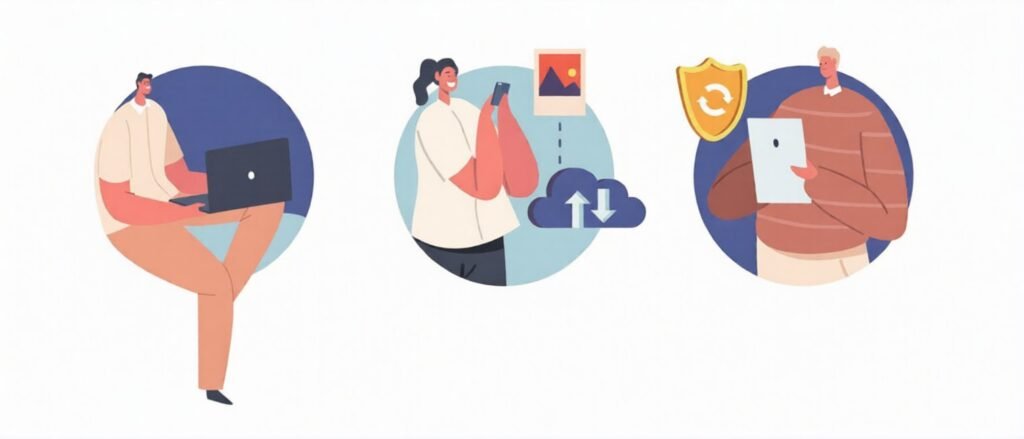
Before entering personal information anywhere online, take a few seconds to examine the website itself.
Look for:
- HTTPS encryption
- A browser padlock icon
- Valid SSL certificates
- Secure payment gateways
Modern secure platforms also typically use:
- TLS encryption
- Device recognition systems
- Behavioural fraud detection
- Session monitoring tools
If the website:
- Loads poorly
- Redirects unexpectedly
- Triggers browser warnings
- Looks unfinished
- Contains broken pages
Avoid entering any sensitive information.
Professional security standards usually reflect professional business practices overall.
Why Strong Passwords Matter More Than Ever
A huge number of online security breaches happen because people reuse passwords across multiple platforms.
If one website suffers a breach, attackers often test those same credentials elsewhere.
How to Build Safer Password Habits
For better protection:
- Use unique passwords for every account
- Avoid birthdays or simple words
- Combine letters, numbers, and symbols
- Use a trusted password manager if needed
Multi-factor authentication remains one of the most effective ways of keeping your data protected online.
This extra layer usually requires:
- A verification code
- Authentication app approval
- Device confirmation
- Biometric login
Even if someone steals your password, they still cannot easily access the account without the second step.
Public Wi-Fi Can Be a Serious Security Risk
This is particularly important for UK travellers using:
- Airport Wi-Fi
- Hotel networks
- Cafés
- Shopping centres
- Shared accommodation internet
Public Wi-Fi networks are often poorly secured and easier for attackers to monitor.
Avoid Doing These Activities on Public Networks
Avoid:
- Uploading ID documents
- Logging into payment accounts
- Making deposits
- Changing passwords
while connected to public networks.
Safer Alternatives for Travellers
Safer alternatives include:
- Mobile data
- Personal hotspots
- Private broadband connections
- Reputable VPN services
VPNs can help encrypt internet traffic and improve privacy while travelling internationally.
Safer Payment Habits Reduce Financial Exposure
Many experienced users now avoid entering direct banking information whenever possible.
Alternative payment systems can create an additional layer between the platform and your primary bank account.
Payment Methods Commonly Used by UK Players
Popular options include:
- PayPal
- Apple Pay
- Google Pay
- Skrill
- Neteller
- Virtual cards
These methods reduce direct exposure of sensitive banking information.
Things to Review Before Depositing Money
Before depositing money, always review:
- Withdrawal rules
- Verification requirements
- Hidden transaction fees
- Currency conversion charges
- Processing times
Reliable operators explain these details clearly.
Phishing Scams Are Becoming More Convincing
Cybercriminals increasingly use realistic-looking emails, fake login pages, and cloned branding.
Modern scams may imitate:
- Customer support teams
- Verification systems
- Promotional offers
- Withdrawal notifications
Common Warning Signs of a Scam
Common warning signs include:
- Urgent language
- Requests for passwords
- Unexpected attachments
- Strange links
- Spelling inconsistencies
Always access accounts manually through your browser rather than clicking links from emails or messages.
Artificial Intelligence Is Changing Online Security
Both cybersecurity teams and cybercriminals are now using AI.
Gaming platforms increasingly rely on AI to:
- Detect fraud
- Monitor suspicious logins
- Identify unusual behaviour
- Prevent automated attacks
At the same time, scammers use AI-generated phishing emails and fake support conversations that appear increasingly realistic.
This means users can no longer rely purely on instinct alone.
Awareness and careful habits matter more than ever.
Responsible Gaming and Mental Well-being Also Matter
Online safety is not only technical.
Healthy digital behaviour matters too.
Research increasingly links excessive online gaming and gambling with:
- Sleep disruption
- Financial stress
- Anxiety
- Compulsive behaviour
- Reduced emotional wellbeing
UK Organisations That Offer Support
For UK users, organisations such as:
offer support and responsible gaming resources.
Features Responsible Platforms Should Offer
Reliable gaming platforms should also provide:
- Deposit limits
- Session reminders
- Cooling-off periods
- Self-exclusion tools
- Spending summaries
These tools help users maintain healthier boundaries online.
Common Mistakes That Increase Security Risks
Many online security problems happen because of small habits people overlook daily.
Some of the most common mistakes include:
- Reusing passwords
- Ignoring software updates
- Clicking links impulsively
- Using weak account recovery questions
- Sharing accounts with friends
- Saving card details unnecessarily
- Uploading documents over insecure networks
Cybersecurity is often less about advanced technical knowledge and more about consistently avoiding preventable mistakes.
Practical Safety Habits That Actually Make a Difference
| Good Security Habit | Why It Helps |
|---|---|
| Use unique passwords | Prevents account reuse attacks |
| Enable multi-factor authentication | Adds another security layer |
| Avoid public Wi-Fi for payments | Reduces interception risk |
| Review account activity regularly | Detects unusual behaviour early |
| Keep software updated | Fixes known vulnerabilities |
| Use recognised payment systems | Reduces banking exposure |
| Read platform policies | Understands how your data is handled |
| Avoid suspicious links | Prevents phishing attacks |
| Use a password manager | Improves account security |
| Set spending limits | Encourages healthier online habits |
Final Thoughts
Online gaming can be enjoyable, social, and convenient, but convenience should never come at the cost of personal security.
For UK users, especially, data privacy awareness has become increasingly important as cybercrime continues to evolve. The safest approach is not to avoid online platforms entirely. It is learning how to use them responsibly and recognising warning signs early.
Choosing regulated operators, protecting passwords, avoiding suspicious links, and using secure payment methods all dramatically reduce the likelihood of problems.
Most importantly, remember that digital security is not something you configure once and forget forever. It is an ongoing habit built through small, consistent decisions.
The more proactive you are today, the safer your information remains tomorrow.
Disclaimer
This article is for informational and educational purposes only and does not constitute legal, cybersecurity, financial, or gambling advice. Online gaming laws and regulations vary by country and jurisdiction, including Saudi Arabia and the United Kingdom. Readers are responsible for ensuring compliance with local laws before accessing online gaming platforms. If you experience cybersecurity issues, financial fraud, or problematic gambling behaviour, seek support from qualified professionals or recognised organisations.
References
- National Cyber Security Centre (NCSC). (2024). Cyber Aware Guidance for Individuals and Small Businesses. UK Government.
- UK Gambling Commission. (2024). Consumer Protection and Safer Gambling Standards. Birmingham: UKGC.
- Hadlington, L. (2017). Human Factors in Cybersecurity. Computers & Security, 68, pp. 1–8. DOI: 10.1016/j.cose.2017.04.003
- Griffiths, M.D. (2010). The Role of Context in Online Gaming Excess and Addiction: Some Case Study Evidence. International Journal of Mental Health and Addiction, 8(1), pp. 119–125. DOI: 10.1007/s11469-009-9229-x
- Kuss, D.J. and Griffiths, M.D. (2012). Internet Gaming Addiction: A Systematic Review of Empirical Research. International Journal of Mental Health and Addiction, 10(2), pp. 278–296. DOI: 10.1007/s11469-011-9318-5
- European Union Agency for Cybersecurity (ENISA). (2023). Threat Landscape Report. Brussels: ENISA.
- Verizon. (2024). Data Breach Investigations Report. Verizon Enterprise Security.
- Federal Trade Commission (FTC). (2024). Consumer Advice on Online Scams and Phishing Attacks. Washington, DC: FTC.
- GamCare. (2024). Safer Gambling and Player Protection Guidance. London: GamCare.
- NHS England. (2024). Gambling-related harms and mental health support resources. London: NHS England.