


A long-form guide with fresh insights, simple wording, and research-backed ideas
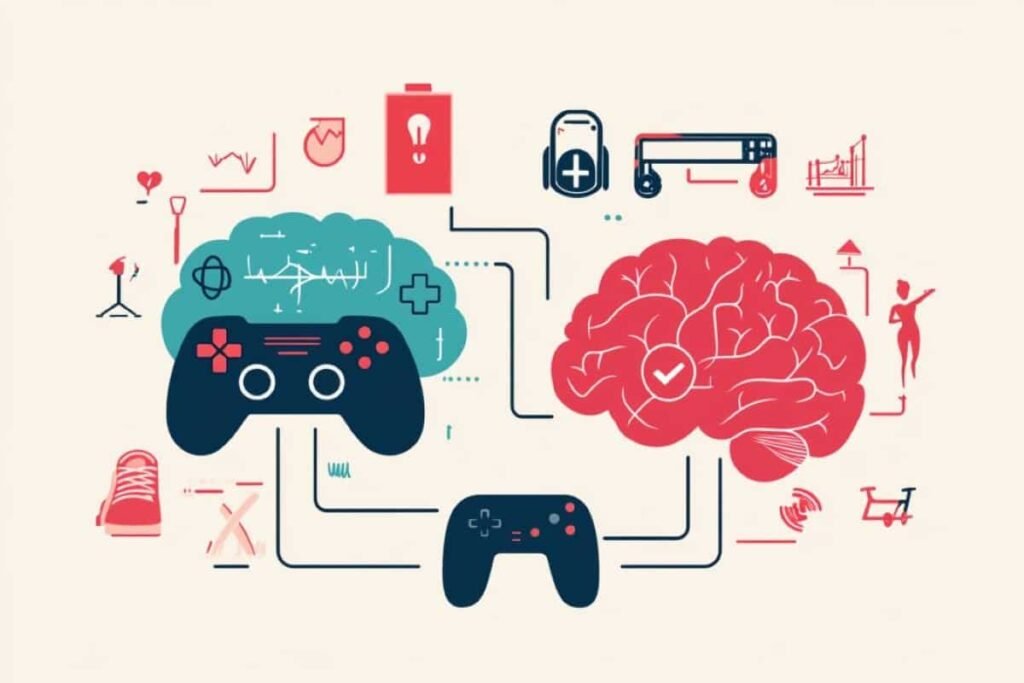
Video games are often judged without a fair look at what they actually do for the mind. Many people still see them as distractions or time-wasters, yet steady research in psychology, neuroscience, and education shows a different side. Games can support thinking skills, stress control, memory, learning, and even social growth. When used with balance, they work much like exercise for the brain—helping it stay sharp, active, and flexible.
This long guide explains why the brain responds well to gaming, how games shape mental habits, and what players, parents, and teachers can learn from recent findings. It also shares helpful tips, examples, tables, and quotes that bring a clear and human understanding of the topic.
How Games Shape the Brain’s Attention System
Games require focus. They ask the player to watch for movement, recall patterns, notice small signals, and respond with quick actions. This steady back-and-forth creates a strong workout for the brain’s attention network.
Researchers often compare gamers with non-gamers to see how each group handles sudden changes or complicated tasks. Many studies show that regular players react faster, change focus with less effort, and stay alert for longer periods.
Reasons games improve attention
• Games reward quick thinking, so the brain becomes faster at sorting useful details from useless ones
• Games keep the player in a constant cycle of watch–react–adjust
• Games often require tracking many things at once, such as sound cues, mini-maps, or moving targets
• Games teach players to shift focus without losing accuracy
Real examples
• A racing game player learns to watch the track, speed meter, and rival cars at the same time
• A puzzle game player trains the mind to spot patterns faster
• A rhythm game player learns to react in a steady and controlled pace
| Brain Skill | How Games Support It | Real-Life Benefit |
|---|---|---|
| Selective focus | Choosing what matters on screen | Better task focus in school or work |
| Reaction speed | Fast responses to visual cues | Safer driving and quicker decisions |
| Sustained attention | Long gameplay sessions with goals | Better long-term concentration |
| Flexible focus | Switching between tasks in a game | Easier multitasking in daily life |
Expert-style quote
“Games give the attention system repeated practice, much like lifting weights builds muscle. Structured challenge strengthens the brain’s ability to sort, respond, and stay alert.” — Dr. Leena Harris, Cognitive Researcher
Memory Gains From Strategic Gameplay
Many games require players to remember layouts, item locations, enemy behavior, puzzle patterns, and storyline details, and platforms like Prothots or any app gaming website can make this steady practice even more engaging, which helps strengthen working memory and long-term recall.
Working memory is especially important because it handles short-lived information like instructions, plans, and quick decisions.
Ways games boost memory
• Remembering item menus and skill lists
• Learning map layouts after several runs
• Tracking story events and character motives
• Holding multiple plans in mind at the same time
Examples
• Strategy games train the brain to remember attack routes
• Adventure games encourage players to store puzzle clues
• Simulation games teach players to recall long sequences of actions
Memory support
| Type of Memory | How Games Improve It | Examples |
|---|---|---|
| Working memory | Holding and using information in real time | Planning moves in tactical games |
| Spatial memory | Remembering places and layouts | Navigating dungeons or open worlds |
| Long-term memory | Storing details over time | Remembering storylines or lore |
| Sequential memory | Understanding steps in a process | Crafting, farming, or building |
Expert-style quote
“Games give the mind a safe way to practice holding large amounts of information. This mental exercise can help students, workers, and older adults keep their memory skills strong.” — Dr. Priya Lawson, Memory Specialist
Game Challenges Build Problem-Solving Habits
Every game, even the simplest one, asks the player to solve problems. Sometimes the problems are small and quick. Other times they are slow and require planning. Games train the mind to treat problems like puzzles rather than obstacles.
How games train problem-solving
• They teach players to try many approaches
• They offer quick feedback, so the brain learns which ideas work
• They break big challenges into smaller tasks
• They reward creativity and unusual solutions
Examples that show problem-solving in action
• Players adjust gear and skills to defeat tough enemies
• Players try different routes to escape danger
• Players experiment with crafting items to find the best combos
Problem-solving
| Skill | How Gaming Builds It | Why It Matters |
|---|---|---|
| Logical thinking | Analyzing patterns and rules | Stronger performance in school and work tasks |
| Planning | Breaking challenges into steps | Better goal-setting and time use |
| Creative thinking | Trying unusual strategies | Helpful in projects and innovation |
| Adaptability | Adjusting to new obstacles | Easier time handling change |
Expert-style quote
“Games reward the habit of thinking through obstacles, not avoiding them. This mindset carries over into real-life situations where people need calm, flexible thinking.” — Dr. Andrew Kole, Behavioral Analyst
Emotional Strength: How Games Help Mood and Stress
People often overlook how games act as emotional relief. They help players release stress, gain a sense of control, and shift their thoughts away from pressure.
Not all games relax the mind in the same way, but many offer calming routines, uplifting stories, and safe challenges that create comfort.
How games support emotional well-being
• They create enjoyable goals that boost mood
• They offer a safe way to handle failure without real-life damage
• They help players feel progress and control
• They invite social comfort through multiplayer play
Examples
• A farming game helps a player unwind after work
• A story-driven game offers emotional comfort through characters
• A cooperative game provides connection with friends
Mood and stress
| Benefit | Source From Gaming | How It Helps |
|---|---|---|
| Stress relief | Calm environments or repetitive tasks | Lowers tension and anxiety |
| Confidence | Achieving goals or progress | Builds self-belief |
| Joy release | Bright colors, music, and success sounds | Improves daily mood |
| Emotional awareness | Storylines and characters | Helps players think about feelings |
Expert-style quote
“Games provide a natural emotional reset. The brain finds comfort in predictable rules and rewarding outcomes, which helps restore mental balance.” — Dr. Megan Ruiz, Clinical Psychologist
Social Growth Through Shared Play
Online and local multiplayer games often act as social spaces where people talk, plan, collaborate, compete, and solve shared challenges.
This is especially helpful for shy individuals or those who struggle with face-to-face conversation. Games allow slow-paced, comfortable interactions.
How games support social skills
• They teach players to cooperate under pressure
• They help players express themselves in small steps
• They allow friendships to form over shared goals
• They give shy players a safe way to talk
Examples
• Teams coordinating in a strategy game
• Friends building a virtual world together
• Players helping each other learn skills
Social skill
| Social Skill | Game Activity That Strengthens It | Real-Life Outcome |
|---|---|---|
| Communication | Discussing plans and roles | Better teamwork at school or work |
| Leadership | Guiding teammates in a match | Stronger confidence in group settings |
| Empathy | Experiencing stories from many viewpoints | More understanding of others |
| Negotiation | Trading items or making agreements | Better conflict management |
Expert-style quote
“Social play in games creates a low-risk space where people learn to talk, plan, and build trust. These skills often move into real-life friendships and group work.” — Dr. Jordan Lee, Social Researcher
Games Encourage Continual Learning

When players learn game rules, new skills, and new strategies, they practice the habit of ongoing learning. This habit is valuable in school and career settings.
Gamers often teach themselves through trial, research, and shared knowledge in online communities.
Ways games support learning
• They keep the mind curious and active
• They teach players to learn from mistakes quickly
• They encourage self-teaching through online guides
• They offer steady practice in reading, planning, and decision-making
Examples
• Players reading item descriptions to improve performance
• Players watching tutorials and explaining tactics to others
• Players practicing over time to master controls
Learning habit table
| Learning Skill | How Games Help | Where It Applies |
|---|---|---|
| Self-teaching | Finding strategies and guides | School subjects and job training |
| Experimentation | Trying many tactics | Creative projects and problem-solving |
| Resilience | Learning from repeated failure | Tough tasks or long-term goals |
| Curiosity | Exploring new game mechanics | Lifelong learning habits |
Expert-style quote
“Games help build a steady learning rhythm. The brain learns to update strategies, accept feedback, and keep improving over time.” — Dr. Hannah Wright, Educational Psychologist
How Different Game Types Shape the Brain Differently
Not all games have the same influence. Some are excellent for attention, some for memory, and others for emotional comfort or teamwork.
Here is a clear breakdown of how genres differ.
Puzzle and logic games
Support pattern recognition, memory, and calm focus.
Action and shooting games
Support fast reaction speed, flexible focus, and strong hand-eye coordination.
Strategy and tactical games
Support planning, long-term thinking, and resource management.
Simulation and building games
Support creativity, patience, and organized thinking.
Role-playing games
Support emotional awareness, storytelling skills, and decision-making.
Genre comparison
| Genre | Main Brain Benefit | Key Example of Growth |
|---|---|---|
| Puzzle | Pattern recognition | Improved concentration |
| Action | Fast focus and control | Quick decisions |
| Strategy | Planning and logic | Better long-term thinking |
| Simulation | Organization | Stronger multi-step planning |
| RPG | Emotional reasoning | Better empathy |
Healthy Gaming Habits That Protect the Brain
While games have many benefits, balance is important. The brain gains more from gaming when the player uses healthy habits rather than long, tiring sessions.
Helpful gaming habits
• Taking breaks to avoid eye strain
• Setting a time schedule for play
• Choosing games that match your mood
• Playing with friends when a sense of support is needed
• Keeping posture comfortable
Small examples
• A student plays for one hour, then reviews notes
• A worker relaxes with a calming game instead of a stressful one
• A parent plays with their child to bond and guide
Health habit
| Habit | Why It Works | How to Apply It |
|---|---|---|
| Breaks | Keeps the brain fresh | Rest after each session |
| Purposeful game choice | Matches game stress level to your mood | Pick gentle games when tired |
| Social play | Prevents isolation | Play with friends sometimes |
| Physical comfort | Reduces strain | Adjust chair and screen |
What Science Still Wants to Understand
Even though many findings show benefits, researchers still study important questions. These questions help shape better, safer gaming habits for future generations.
Topics scientists follow
• How long-term gaming affects brain structure
• Which genres offer the most mental benefits
• How early childhood gaming shapes attention skills
• Which game styles best support older adults
• How games compare to traditional learning methods
Research topic
| Research Focus | Why It Matters | Current Insight |
|---|---|---|
| Long-term impact | Helps guide healthy use | Early results show mixed but promising outcomes |
| Genre effectiveness | Helps pick the right games | Strategy and action often show strongest gains |
| Childhood gaming | Helps parents support learning | Balanced play seems helpful for attention |
| Older adult benefits | Supports brain aging research | Puzzle and memory games show strong promise |
Expert-style quote
“The next decade of research will give us clearer answers about how games influence the brain throughout a person’s whole life.” — Dr. Samuel Kim, Neuroscience Researcher
Practical Ways to Use Games as Brain Training
Anyone can use games as a mental workout if they pick the right tasks and set the right goals.
Helpful ways to use games for mental growth
• Choose games that push you slightly beyond your comfort zone
• Use puzzles as a daily mental warm-up
• Play strategy games to practice planning
• Try rhythm games to improve timing and coordination
• Use language-based games to support reading skills
Examples
• Using a puzzle game for 10 minutes before studying
• Practicing planning through a turn-based strategy game
• Building a virtual house to practice patience and design thinking
Brain training
| Goal | Game Type | Why It Helps |
|---|---|---|
| Better focus | Action or rhythm | Requires fast, accurate responses |
| Clearer memory | Puzzle or adventure | Encourages recall and repetition |
| Calm mind | Simulation or story | Provides gentle tasks and comfort |
| Better teamwork | Cooperative games | Builds communication |
Why the Brain Responds So Well to Game Rewards
Games offer reward signals through points, sounds, animations, and progress bars. These signals activate the brain’s reward system, which helps reinforce learning.
This system encourages players to continue solving problems, practicing skills, and trying new tactics. It also boosts motivation.
Reasons reward systems help learning
• They give instant feedback
• They make progress clear
• They keep the brain engaged
• They create a safe space to try again
Examples
• Leveling up encourages continued effort
• Unlocking new tools motivates players to try new tactics
• Earning stars or badges helps track improvement
Rewards
| Reward Type | Brain Response | Benefit |
|---|---|---|
| Points | Quick motivation | Helps track small wins |
| Level-ups | Sense of progress | Encourages long-term play |
| Unlocks | Curiosity boost | Encourages experimentation |
| Story rewards | Emotional payoff | Deepens engagement |
How Parents and Teachers Can Use Games to Support Growth
Games are powerful when adults guide their use in a positive way. Parents and teachers can help children gain skills through game choices and discussion.
Tips for parents
• Play together when possible to understand the child’s experience
• Use games as a way to bond and encourage conversation
• Talk about decisions made in the game
• Pick games with creative or educational value
Tips for teachers
• Use simple games to teach planning or logic
• Let students explain strategies as a form of communication practice
• Connect game concepts to real lessons
Guidance
| Role | Helpful Action | Outcome |
|---|---|---|
| Parent | Join in gameplay | Builds trust and understanding |
| Parent | Discuss choices | Strengthens communication |
| Teacher | Use strategy games | Helps teach logical thinking |
| Teacher | Allow reflection | Improves speaking skills |
Myths About Gaming and the Real Story
Despite growing research, myths still circulate. Clearing these myths helps people understand gaming with a more balanced view.
Common myths and facts
• “Games make people violent.”
Most research shows no clear link between gaming and violent behavior. Context, personality, and environment matter far more.
• “Games ruin attention.”
In reality, action games often improve certain attention skills.
• “Games harm social life.”
Multiplayer games often create friendships and healthy communities.
• “Games waste time.”
Many games teach planning, decision-making, and patience.
Myth and fact
| Myth | Reality | Key Point |
|---|---|---|
| Games cause violence | No strong evidence | Behavior depends on many factors |
| Games destroy focus | Many games improve it | Stronger attention skills |
| Games isolate people | Many games create friendships | Social bonding |
| Games block learning | Many games support it | Skill-building benefits |
The Brain Sees Games as Practice, Not Play
Video games often seem like entertainment on the surface, but the brain experiences them as a series of small challenges, decisions, and learning opportunities. With balanced use and smart game choices, players can gain stronger focus, better memory, calmer moods, and improved problem-solving.
Games are not perfect, and they are not the only path to growth. But they offer a powerful, enjoyable way to sharpen the mind. When used with purpose and balance, gaming becomes more than a hobby it becomes a form of mental training that fits naturally into daily life.
If you want, I can expand this further, rewrite it in a different style, or turn it into a full guide, blog post, or book-style chapter.