


A bathroom remodel can look simple from the outside. New tiles, a fresh vanity, better lighting, maybe a walk-in shower. But once the old floor comes up or the wall is opened, the job can become much bigger than expected.
For UK readers, it helps to understand that a New Jersey bathroom project is not just a design job. It can involve permits, local inspections, licensed trades, older house issues, and rules that vary by town.
Start with the real problem, not the Pinterest idea
Before choosing tiles or taps, ask one basic question: what is actually wrong with the bathroom?
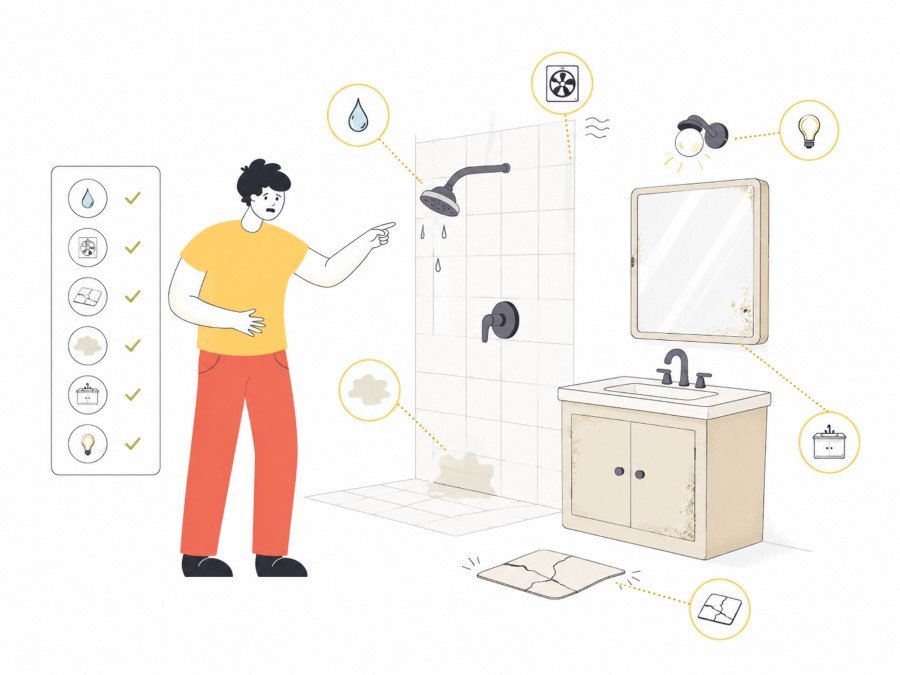
Some bathrooms only need a clean update. That might mean a new vanity, better lighting, fresh paint, a mirror, and modern fittings. Others need proper work behind the walls because the layout is awkward, the shower leaks, the fan is weak, or the floor feels soft.
This matters because a small refresh and a full renovation are not the same job. A full remodel may involve plumbing, electrical work, waterproofing, permits, inspections, and more time without the room.
A simple way to plan is to write two lists:
- What annoys you every day
- What must be fixed for safety or long-term use
- What would be nice, but is not urgent
- What can stay if the budget gets tight
That list will stop the project from turning into random spending.
New Jersey homes can hide expensive surprises.
Many New Jersey homes are older than they look. Behind a clean bathroom wall, there may be old plumbing, damaged subflooring, poor ventilation, loose wiring, or signs of past leaks.
This is where homeowners often get caught out. They spend most of the budget on the visible parts, then panic when the contractor finds rotten timber, moisture damage, or old pipes that should not be covered back up.
Keep a spare amount in the budget for hidden work. Ten to fifteen percent is a sensible starting point, but older bathrooms may need more.
Common hidden problems include:
- Soft flooring around the toilet or shower
- Old supply lines or drains
- Badly patched walls from past repairs
- Mould caused by poor airflow
- Tile fitted over weak surfaces
- Outdated electrical work near wet areas
The EPA guide on mould and moisture is useful because it explains why damp problems need to be fixed at the source, not just covered with paint or new tile.
Know when permits are part of the job.
In the UK, people often think in terms of Building Control, planning rules, and qualified trades. In New Jersey, bathroom renovation work can also involve local permit offices and inspections.
Cosmetic work may not need much paperwork. But if the project changes plumbing, electrical systems, mechanical systems, or structure, permits may be needed. New Jersey’s official construction permit forms explain that the type of work decides which forms and subcode sections apply.
Do not treat this as a small detail. A bathroom that is not done to code can cause problems later when selling the property, making an insurance claim, or fixing water damage.
Before work starts, ask the contractor:
- Which permits are needed?
- Who files them?
- Which inspections will happen?
- Is the permit cost included in the quote?
- Will I get copies of the approved paperwork?
A good contractor will not act annoyed by these questions.
Check the contractor properly.
A cheap quote can become very expensive if the person doing the work is not properly registered, insured, or experienced with local homes.
New Jersey has rules for home improvement contractors, and homeowners can check information through the New Jersey Division of Consumer Affairs. This is worth doing before paying a deposit.
For homeowners in Morris County or nearby towns, working with a local bathroom remodeling contractor can make the job easier because they should already understand local permit offices, common house types, and the kind of problems found in older New Jersey bathrooms.
Before agreeing to the job, ask for:
- Proof of registration
- Proof of insurance
- A written scope of work
- A payment schedule
- Start and finish expectations
- Warranty details
- Clear notes on what is not included
Do not rely on a handshake or a short text message for a bathroom remodel. Put the main details in writing.
Think about old paint and dust before demolition.
If the home was built before 1978, lead paint can be a serious issue in the United States. Bathroom work that disturbs old painted surfaces can create dust, and that dust needs to be handled safely.
The EPA Lead Renovation, Repair and Painting Program gives guidance on lead-safe renovation rules. This is especially important in homes with children, pregnant people, or anyone with breathing problems.
This does not mean every old bathroom is unsafe. It means demolition should not be casual. The contractor should know how to contain dust, protect the home, and clean the area properly.
Spend money where it actually matters.
It is easy to spend too much on the parts people notice first, such as taps, mirrors, and wall tiles. Those details matter, but they will not save a bathroom with poor waterproofing, weak ventilation, or bad drainage.
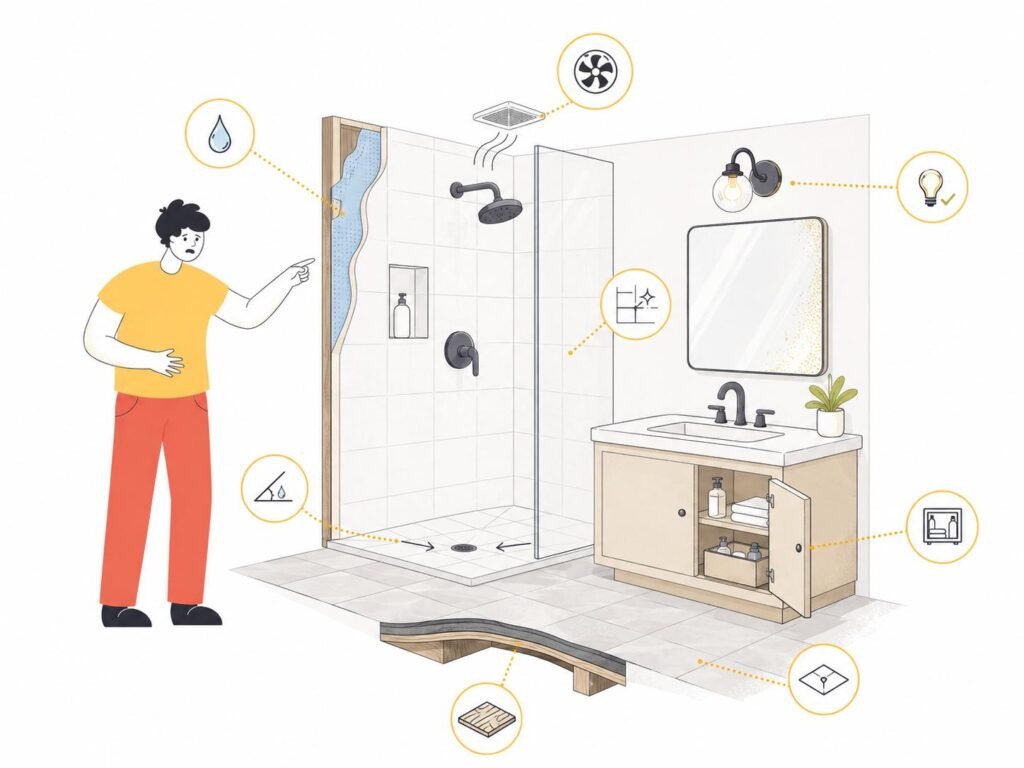
The best bathroom upgrades are often the boring ones:
- Proper waterproofing
- A good extractor fan
- Safe electrical work
- Solid subfloor repair
- Good grout and sealant
- Correct shower slope
- Durable flooring
- Practical storage
Porcelain tile is often a good choice because it handles moisture well and is hard-wearing. Quartz surfaces can also be practical because they are low maintenance compared with some natural stone options.
Ventilation is one area not to ignore. The ENERGY STAR ventilation fan guide is helpful when comparing fan performance, noise levels, and energy use.
Plan for life during the work
A full bathroom remodel is not just noisy. It affects daily life.
If it is the only bathroom in the home, the plan needs to be clear before demolition starts. Where will people shower? Will the toilet be usable at night? Will dust be sealed off from bedrooms? Where will materials be stored?
These questions sound small until the house is full of boxes, tools, tile dust, and half-open walls.
Ask your contractor for a simple timeline that covers:
- Demolition
- Plumbing changes
- Electrical work
- Inspections
- Waterproofing
- Tile work
- Fixture installation
- Final checks
Also order fixtures and tiles early. Backorders can hold up the whole job. Even one missing shower valve or trim piece can leave a bathroom unfinished for days or weeks.
Do not design only for how it looks online.
A bathroom has to work on a wet Monday morning when everyone is in a rush. It has to be easy to clean, safe to walk on, and comfortable to use every day.
That means thinking about details like:
- Can the shower door open properly?
- Is there enough space around the toilet?
- Will towels dry in that spot?
- Is the floor tile too slippery?
- Is the lighting good near the mirror?
- Can cleaning products be stored safely?
- Will the fan remove steam fast enough?
- Are sockets and switches placed safely?
A beautiful bathroom that is awkward to use gets old quickly. Practical choices usually age better than trend-led ones.
Final thoughts
A New Jersey bathroom remodel can be a smart investment, but only when it is planned properly. The real work starts before the first tile is removed.
Know the scope. Keep money aside for hidden problems. Check permit rules. Use a properly registered contractor. Choose materials that can handle moisture. Take ventilation seriously. Plan how the household will manage while the room is out of use.
Do that, and the finished bathroom will not just look better. It will work better, last longer, and cause fewer problems later.