


Becoming a mum is one of the most incredible experiences life has to offer, but it also puts your body through enormous changes. One area that often gets overlooked in all the excitement of those early weeks is vaginal health after birth. Whether you had a vaginal delivery or a caesarean, your intimate microbiome goes through a significant shift during pregnancy and postpartum. The good news is that products like vaginal suppositories from Evvy are making it easier than ever for new mums to take a proactive approach to restoring balance down below.
For many of us, talking about vaginal health still feels a bit awkward. But as mums, we owe it to ourselves to prioritise recovery in every sense, not just the parts people can see. This guide is here to walk you through what happens to your vaginal microbiome after birth, why it matters, and simple steps you can take to feel like yourself again.
Why Your Vaginal Microbiome Changes After Birth

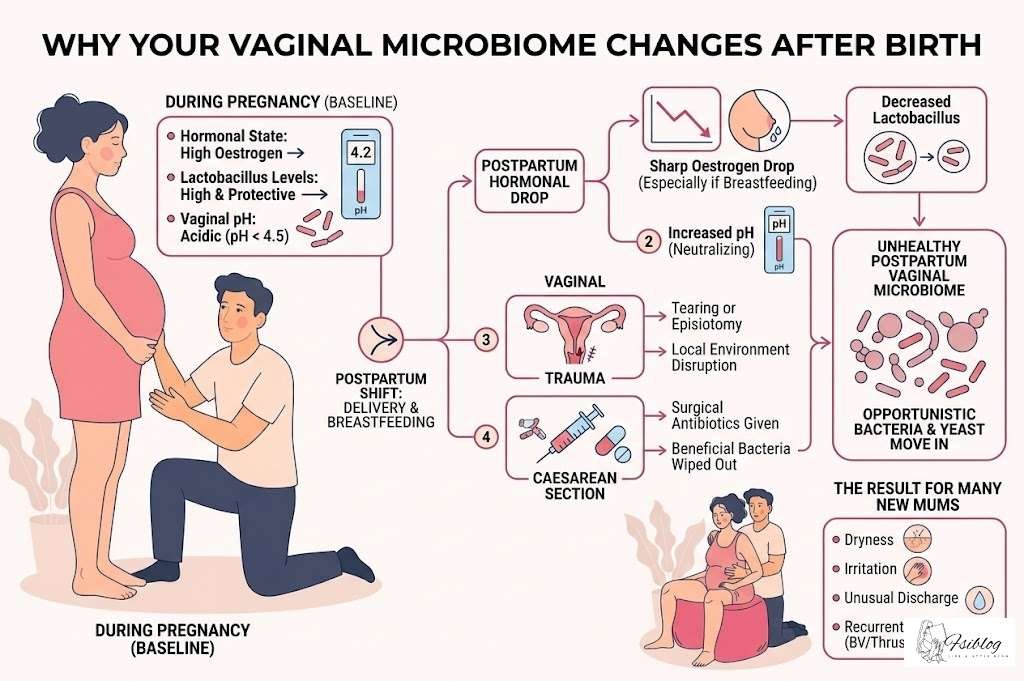
During pregnancy, rising oestrogen levels actually help maintain high levels of Lactobacillus, the friendly bacteria that keep your vaginal pH acidic and protective. But after delivery, oestrogen drops sharply, especially if you are breastfeeding. This hormonal dip can cause Lactobacillus populations to decline, leaving the door open for opportunistic bacteria and yeast to move in.
If you had a vaginal delivery, there may also be physical trauma, such as tearing or an episiotomy, that can further disrupt the local environment. Even with a caesarean, antibiotics given during surgery can wipe out beneficial bacteria alongside the harmful ones. The result for many new mums is an uncomfortable combination of dryness, irritation, unusual discharge, or recurrent infections like bacterial vaginosis (BV) or thrush.
Signs Something Might Be Off
It is completely normal for your body to take time to recover, but there are some signs worth paying attention to. A persistent fishy odour, unusual discharge that is grey or greenish, itching or burning, and discomfort during intimacy can all point to a microbiome imbalance. Many new mums assume these symptoms are just part of the postpartum package, but they do not have to be.
If you are noticing any of these symptoms, it is worth speaking to a healthcare professional sooner rather than later. Catching an imbalance early makes treatment simpler and helps you get back to feeling comfortable in your own skin.
How Lactobacillus Suppositories Can Help
This is where targeted probiotic support comes in. Lactobacillus-based vaginal suppositories deliver live beneficial bacteria directly where they are needed, rather than relying on oral probiotics to survive the digestive system and somehow make their way to the vaginal tract. For postpartum mums dealing with depleted Lactobacillus levels, this localised approach can make a real difference.
These suppositories work by reintroducing friendly bacteria that produce lactic acid, helping to restore the naturally acidic pH that keeps harmful microbes in check. Think of it like reseeding a garden after a storm. The existing soil is still there, it just needs the right organisms planted back in to flourish again.
Choosing the Right Product
Not all vaginal probiotics are created equal. When you are choosing a suppository, look for products that contain clinically studied Lactobacillus strains such as L. crispatus or L. rhamnosus. Check that the product guarantees a meaningful CFU (colony-forming unit) count at the time of use, not just at the time of manufacture. Storage instructions matter too, as some formulations need refrigeration to keep the bacteria alive and effective.
It is also worth checking what else is in the product. Avoid suppositories with added fragrances, parabens, or unnecessary fillers. Your postpartum body is already sensitive, so the simpler the ingredient list, the better.
Practical Tips for Postpartum Vaginal Care
Beyond suppositories, there are everyday habits that support recovery. Wearing breathable cotton underwear, avoiding scented soaps and douches in the intimate area, and staying hydrated all help maintain a healthy environment. If you are breastfeeding and experiencing significant dryness, a gentle water-based lubricant can make intimacy more comfortable while your hormones settle.
Nutrition plays a role, too. Eating a varied diet rich in fibre, fermented foods like yoghurt and kefir, and prebiotic vegetables such as garlic, onions, and asparagus supports your overall microbiome. Pair this with adequate rest and self-care, which admittedly is easier said than done with a newborn, and you are giving your body the best foundation for recovery.
When to See a Professional
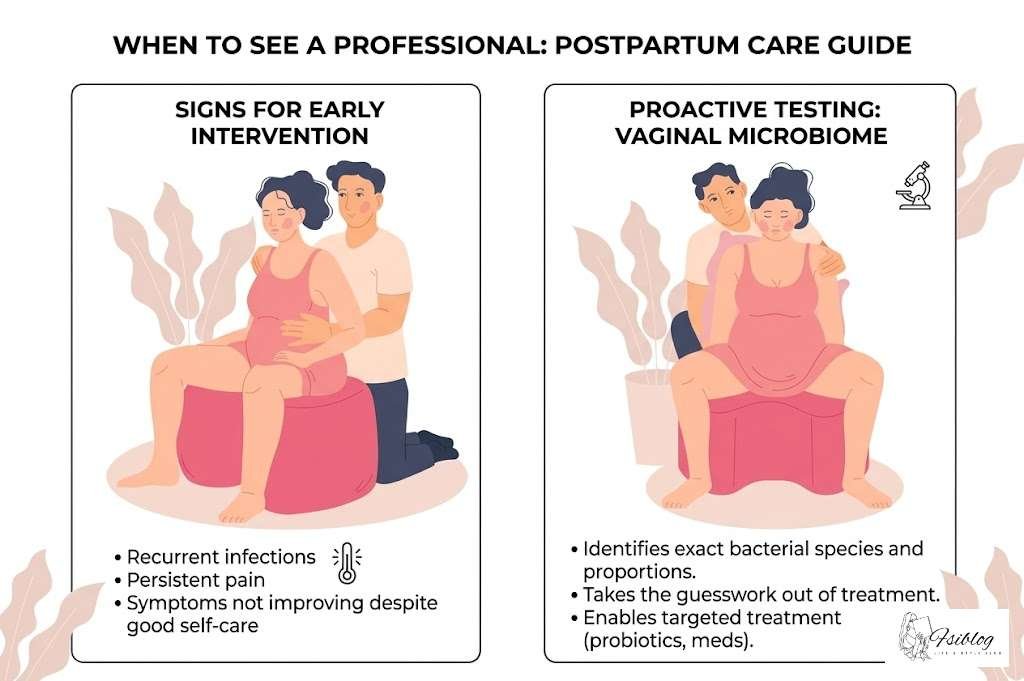
While many postpartum changes resolve on their own within a few months, some situations call for professional guidance. If you are experiencing recurrent infections, persistent pain, or symptoms that are not improving despite good self-care, do not hesitate to book an appointment with your GP or a women’s health specialist. There is no medal for toughing it out, and early intervention nearly always leads to better outcomes.
Some mums find it helpful to request a vaginal microbiome test, which can identify exactly which bacteria are present and in what proportions. This takes the guesswork out of treatment and ensures that any probiotics or medications prescribed are matched to your specific needs.
Looking After You Matters
As mums, we spend so much energy looking after everyone else that it is easy to push our own health to the bottom of the list. But taking care of your vaginal health after birth is not a luxury. It is a fundamental part of postpartum recovery that affects your comfort, your confidence, and your overall well-being. By understanding what your body is going through and taking simple, evidence-based steps to support it, you can navigate this chapter with a little more ease and a lot less discomfort.
Final Thoughts
Postpartum recovery is not just about healing externally; it also involves restoring balance within your body, including your vaginal microbiome. Hormonal changes, physical recovery from childbirth, and medical interventions like antibiotics can all influence this delicate ecosystem. While many of these changes are temporary, ignoring persistent discomfort or imbalance can affect your quality of life during an already demanding phase.
The key is to stay informed and proactive. Simple steps such as maintaining good hygiene, supporting your microbiome through diet and targeted probiotics, and seeking professional advice when needed can make a meaningful difference. Products like vaginal suppositories may offer additional support, but they work best as part of a broader, evidence-based approach to recovery.
Most importantly, remember that postpartum healing takes time, and every woman’s journey is different. Paying attention to your body and addressing concerns early helps ensure a smoother, more comfortable transition into motherhood. Looking after yourself is not optional; it is essential.
References
- MacIntyre DA, Chandiramani M, Lee YS, et al. The vaginal microbiome during pregnancy and the postpartum period in a European population. Sci Rep. 2015;5:8988. doi:10.1038/srep08988
- Ravel J, Gajer P, Abdo Z, et al. Vaginal microbiome of reproductive-age women. Proc Natl Acad Sci U S A. 2011;108(Suppl 1):4680–4687. doi:10.1073/pnas. 1002611107
- Brotman RM. Vaginal microbiome and sexually transmitted infections: an epidemiologic perspective. J Clin Invest. 2011;121(12):4610–4617. doi:10.1172/JCI57172
- Petrova MI, Reid G, Vaneechoutte M, Lebeer S. Lactobacillus species as biomarkers and agents that can promote various aspects of vaginal health. Front Physiol. 2017;8:677. doi:10.3389/fphys.2017.00677
- Huang H, Song L, Zhao W. Effects of probiotics for the treatment of bacterial vaginosis in adult women: a meta-analysis of randomized clinical trials. Arch Gynecol Obstet. 2014;289(6):1225–1234. doi:10.1007/s00404-013-3117-0
- Mendling W. Vaginal microbiota. Adv Exp Med Biol. 2016;902:83–93. doi:10.1007/978-3-319-31248-4_7