


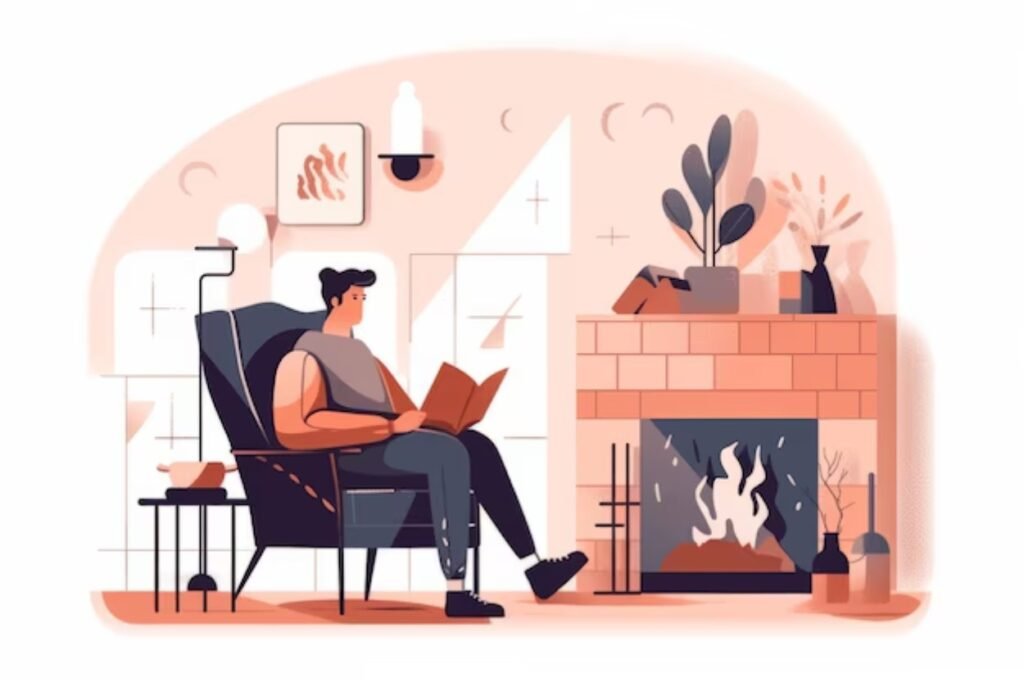
The modern home is loosening its collar. For years, clean lines and neutral everything ruled the conversation, but lately the mood has shifted toward spaces that feel lived in, flexible, and genuinely human. This does not mean chaos or clutter. It means homes that work harder for real life, look better doing so, and reflect the people inside, rather than chasing a showroom finish. The latest decorating trends lean into comfort, adaptability, and personality without drifting into fussy or overdone territory. It is less about perfection and more about making smart, confident choices that age well.
Warm Minimalism With A Pulse
Minimalism is still very much alive, but it has softened. Stark white rooms and icy palettes are giving way to warmer neutrals, layered textures, and finishes that invite touch. Think creamy walls instead of bright white, wood tones that show their grain, and upholstery that looks better after a few years of use. This version of minimalism feels intentional rather than strict. Every piece earns its place, but nothing feels precious or untouchable. The goal is calm, not cold.
This shift has also opened the door for people who want style without the pressure of constant upkeep. When rooms are grounded in warmth and texture, they feel complete even when life gets messy. That balance is what makes these spaces feel modern in a way that lasts.
Smart Spending That Still Looks Thoughtful
One of the most noticeable changes in home design is the confidence people have in spending less and choosing better. There is a growing comfort with decorating on a budget, not as a compromise but as a strategy. Mixing high-impact pieces with simple basics allows rooms to feel layered without feeling forced. A statement light fixture paired with an unfussy sofa, or custom-looking window treatments next to affordable seating, creates contrast that feels considered rather than cost-driven.
This approach also encourages patience. Instead of rushing to fill every corner, homeowners are taking time to live in a space before deciding what it needs. That breathing room leads to better choices and homes that evolve naturally instead of following a rigid plan from day one.
Art That Feels Personal, Not Performative
Art is playing a bigger role in modern homes, but not in a stiff, gallery-style way. People want pieces that resonate, spark conversation, or make them happy when they walk by. The rise of fine art paintings for sale online has made original and limited-edition work far more accessible, shifting how art appears in everyday spaces.
Instead of perfectly symmetrical arrangements or oversized statement walls, art is being layered, leaned, and integrated throughout the home. A painting in the kitchen, a small piece tucked into a bookshelf, or a bold canvas in a hallway all add personality without turning the space into a performance. The focus is on connection, not coordination.
Rooms That Do More Than One Job
Modern homes are expected to multitask, and design is finally catching up. Dining rooms double as workspaces. Guest rooms quietly function as offices. Living rooms are set up for entertaining and actual lounging, not just for show. This flexibility has influenced furniture choices, layouts, and even color palettes.
Furniture with clean lines and adaptable proportions makes it easier to shift a room’s purpose without starting over. Modular seating, extendable tables, and storage that blends in rather than shouts all support this way of living. The best part is that these rooms feel intentional, not improvised, because the design accounts for real routines.
Texture Is Doing The Heavy Lifting
Texture has become the unsung hero of modern decorating. When color palettes stay restrained, texture steps in to add depth and interest. Boucle, linen, plaster finishes, woven shades, and matte ceramics are everywhere, and for good reason. They add richness without visual noise.
This focus on texture also helps spaces feel grounded. A room with a neutral palette can still feel layered and complete when materials are varied and thoughtfully combined. It is an easy way to add character without committing to trends that may feel dated too quickly.
Sustainability That Feels Natural
Sustainable choices are increasingly baked into design decisions rather than treated as a separate category. Durable materials, vintage finds, and quality pieces that last are being prioritized over disposable decor. This does not require a full overhaul or a rigid set of rules. It simply means choosing items that make sense long term and fit into the home’s story.
There is also a renewed appreciation for craftsmanship. Handmade pieces, whether new or old, bring a sense of authenticity that mass-produced items often lack. These elements add warmth and individuality, making homes feel collected rather than assembled.
A Home That Feels Like Yours
The modern home is moving away from one-size-fits-all design and toward spaces that feel grounded, adaptable, and deeply personal. The trends shaping today’s interiors are not about chasing novelty. They are about creating homes that support real life while still feeling considered and stylish. When comfort, personality, and thoughtful choices lead the way, the result is a home that feels current now and still makes sense years down the road.
Final Thoughts
At its core, the evolution of the modern home is less about following trends and more about embracing intention. Today’s interiors prioritize how a space feels just as much as how it looks. Warmth replaces starkness, function blends seamlessly with style, and personality takes precedence over perfection. By choosing pieces with care, layering in meaningful details, and allowing rooms to adapt naturally over time, homeowners are creating spaces that truly reflect their lives. The result is not just a beautiful home, but one that feels authentic, welcoming, and built to grow alongside the people who live in it.