


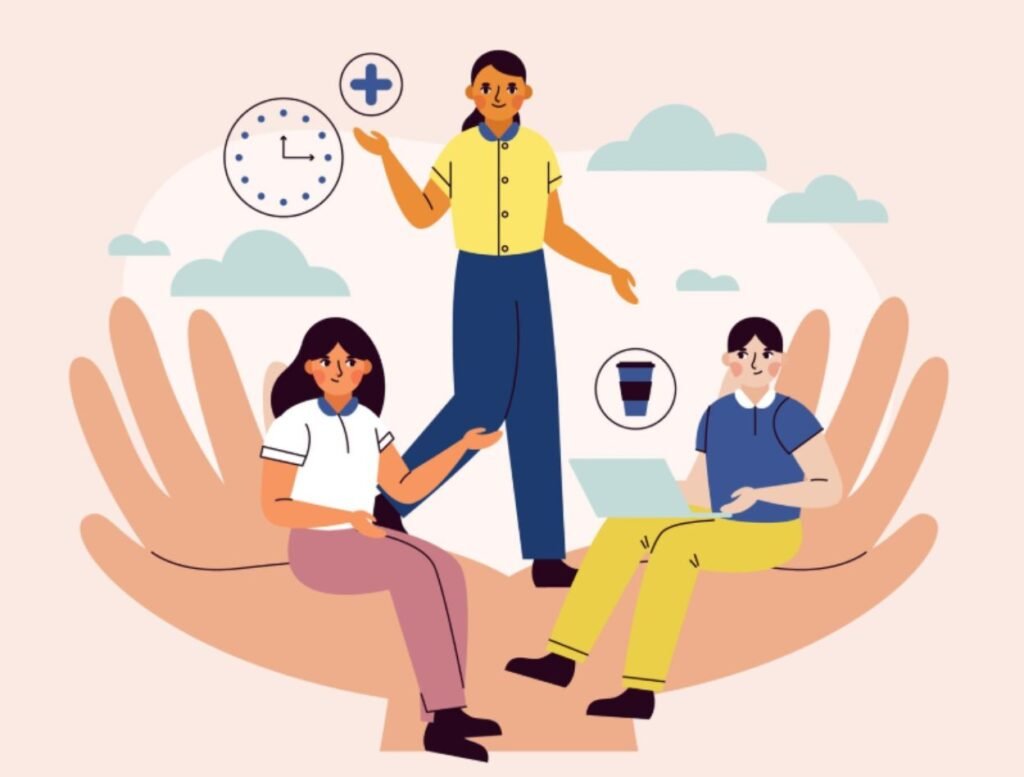
Tough times can arrive without warning. A sudden change, financial pressure, illness, loss, or workplace stress can disrupt your sense of balance. Even ordinary daily responsibilities can start to feel heavier than usual. During these periods, protecting your well-being is not a luxury. It becomes essential.
The good news is that stability rarely comes from one dramatic solution. It usually comes from small, consistent habits that protect your energy, support your health, and help you stay grounded. Rest, routine, and the right support systems can create structure when life feels uncertain.
You do not need to fix everything at once. Focusing on small, realistic actions makes difficult situations more manageable and helps you move forward with clarity.
Stabilise Your Daily Routine First

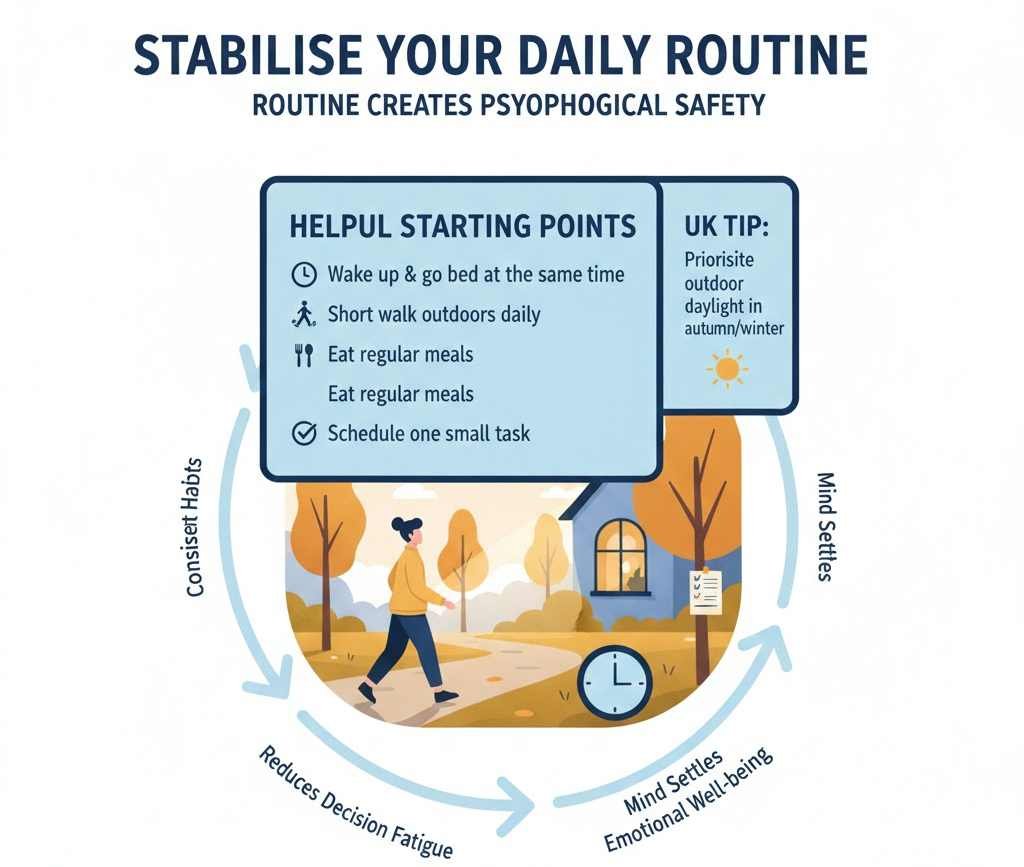
When life feels unpredictable, routine creates psychological safety. A simple daily structure reduces decision fatigue and helps your mind settle.
Research shared by Healthline shows that consistent daily habits strongly influence emotional well-being. Even very small routines can help restore stability.
Helpful starting points include:
- Wake up and go to bed at roughly the same time
- Take a short walk outdoors each day, even for 10 minutes
- Eat regular meals instead of skipping food under stress
- Schedule one small task you can complete fully
In the UK, where shorter daylight hours in autumn and winter can affect mood, prioritising outdoor daylight exposure is especially helpful.
Routine is not about productivity. It is about predictability.
Protect Physical and Emotional Health Together
Stress often shows up physically before we notice it emotionally. Headaches, fatigue, muscle tension, poor sleep, and digestive issues are all common signals.
You do not need intense workouts to support your body during tough periods. Gentle, consistent movement works best:
- Walking
- Light stretching
- Yoga or mobility exercises
- Simple home workouts
Even 15–20 minutes can improve mental clarity and mood regulation.
Emotional care matters equally. Try:
- Writing thoughts down instead of carrying them mentally
- Talking openly with one trusted person
- Practising slow breathing for 2–3 minutes
- Reducing news intake if it increases anxiety
Supporting your body and emotions together builds resilience faster than focusing on only one.
Seek Support Earlier Than You Feel Necessary
Many people wait until stress becomes overwhelming before asking for help. Seeking support early usually prevents bigger problems later.
Start with:
- Trusted friends or family
- Workplace wellbeing services
- Your GP or NHS mental health referral
- Local community groups
In serious events such as major accidents, legal support may also reduce stress and uncertainty. For example, after collisions abroad or while travelling, knowing how to contact an auto accident lawyer in Atlanta or another specialist in the relevant region can help manage insurance issues and recovery steps while you focus on your health.
Support is not a last resort. It is a protective strategy.
Set Clear Boundaries Around Your Energy
During tough periods, your available energy shrinks. Protecting it becomes critical.
Guidance discussed by Verywell Mind highlights that learning to say no reduces stress and protects long-term mental well-being.
Practical boundary examples:
- Delay non-urgent commitments
- Reduce social obligations temporarily
- Limit overtime where possible
- Avoid volunteering for extra responsibilities
You do not need long explanations when declining something. A simple:
“I can’t take that on right now”
It’s enough.
Boundaries are not selfish. They are protective.
Focus Only on the Next Practical Step

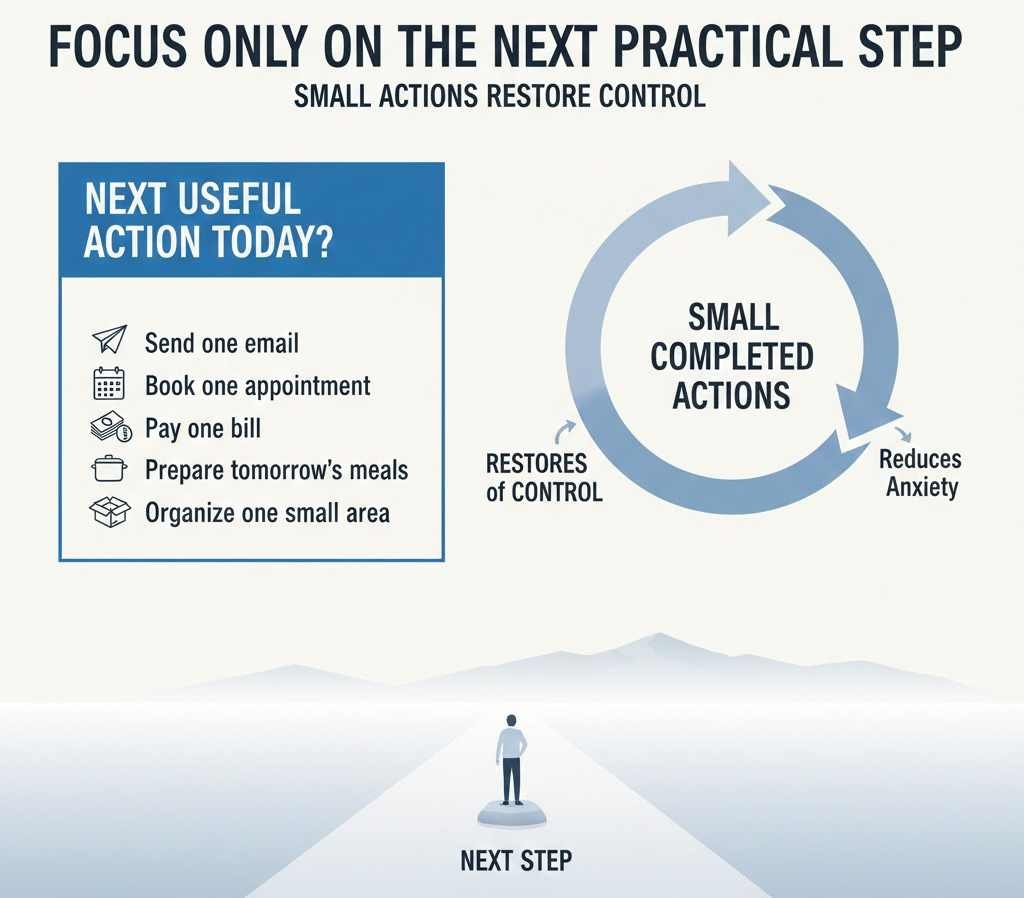
When everything feels uncertain, trying to solve the whole situation at once creates paralysis.
Instead, narrow your focus to:
What is the next useful action today?
Examples:
- Send one email
- Book one appointment
- Pay one bill
- Prepare tomorrow’s meals
- Organise one small area of your home
Small completed actions restore a sense of control. Control reduces anxiety more effectively than constant worrying.
Momentum grows from completion, not from planning.
Reduce Information Overload
During stressful periods, people often consume more information in search of certainty. This usually increases anxiety.
Try the UK-friendly “information window” approach:
- Check the news only once or twice daily
- Avoid reading distressing updates late at night
- Limit social media scrolling during work hours
- Turn off non-essential notifications
Mental space improves decision-making.
Rebuild Confidence Gradually, Not Perfectly
Difficult experiences can shake self-belief. Confidence rarely returns suddenly. It rebuilds through evidence.
Start creating small daily proof:
- Finish small tasks
- Keep one promise to yourself each day
- Record what went well in a notebook
- Notice progress rather than perfection
Avoid comparing your pace to others. Recovery and resilience timelines differ widely.
Consistency builds trust in yourself again.
Extra Practical Tips That Help Many UK Readers
- Keep regular GP appointments if stress affects sleep or appetite
- Use NHS talking therapy services if anxiety persists
- Walk in green spaces such as local parks or river paths
- Maintain heating and home comfort in the winter months to protect physical health
- Keep a simple emergency savings buffer if possible to reduce financial stress
Stability often comes from practical basics, not dramatic changes.
Frequently Asked Questions
Is it normal to feel physically exhausted during stressful times?
Yes. Stress activates the body’s alert system, which drains energy and disrupts sleep. Fatigue is one of the most common stress symptoms.
How do I stay productive when motivation disappears?
Lower the size of tasks. Start with the easiest item first. Completion builds momentum even when motivation is low.
Can reducing social media really improve wellbeing?
Yes. Lower exposure to comparison, negative news, and constant alerts improves focus, sleep quality, and emotional stability.
Steady Steps Toward Stability
Difficult seasons test your patience, energy, and confidence. Yet stability rarely comes from one major solution. It grows from small, protective habits repeated consistently.
Stabilising routines, protecting your health, seeking early support, and setting clear boundaries all help rebuild strength. You do not need every answer immediately. You only need the next steady step.
With consistent self-support, balance returns gradually, and resilience becomes stronger than before.