


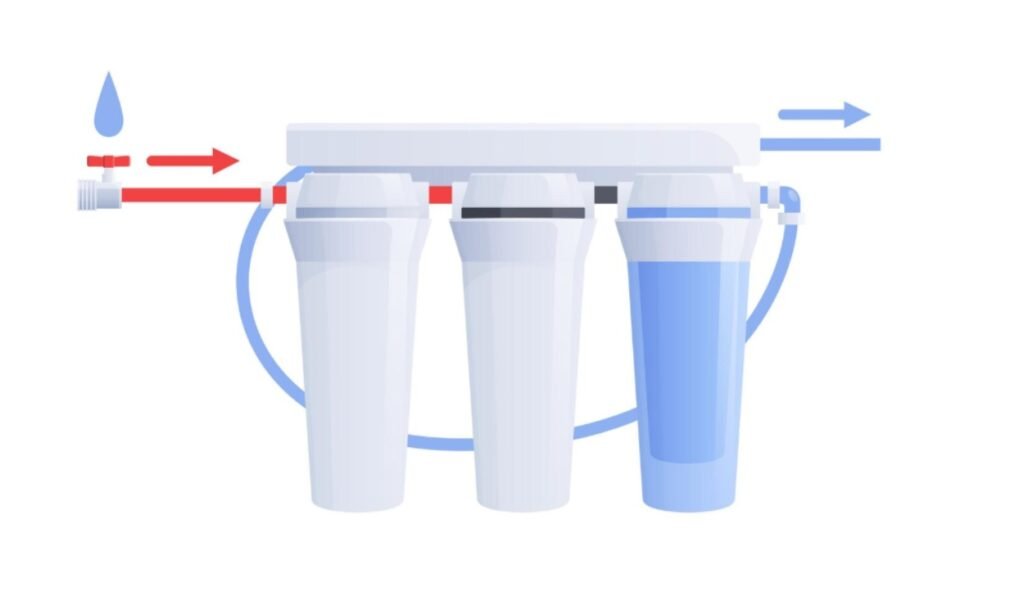
Clean drinking water matters in every home. In the UK, tap water is treated and regulated, but some households still choose extra filtration because of taste, limescale, old pipework, private water supplies, or personal preference.
One option people often look at is reverse osmosis, also called RO. It may sound technical, but the basic idea is simple. An RO system pushes water through very fine filters, including a special membrane, to reduce many dissolved substances that ordinary filters may not remove.
For anyone comparing home systems reverse osmosis filters (https://www.ecosoft.com/en-gb/reverse-osmosis-filters) are commonly used when people want cleaner-tasting drinking water from a dedicated tap.
What Is Reverse Osmosis?
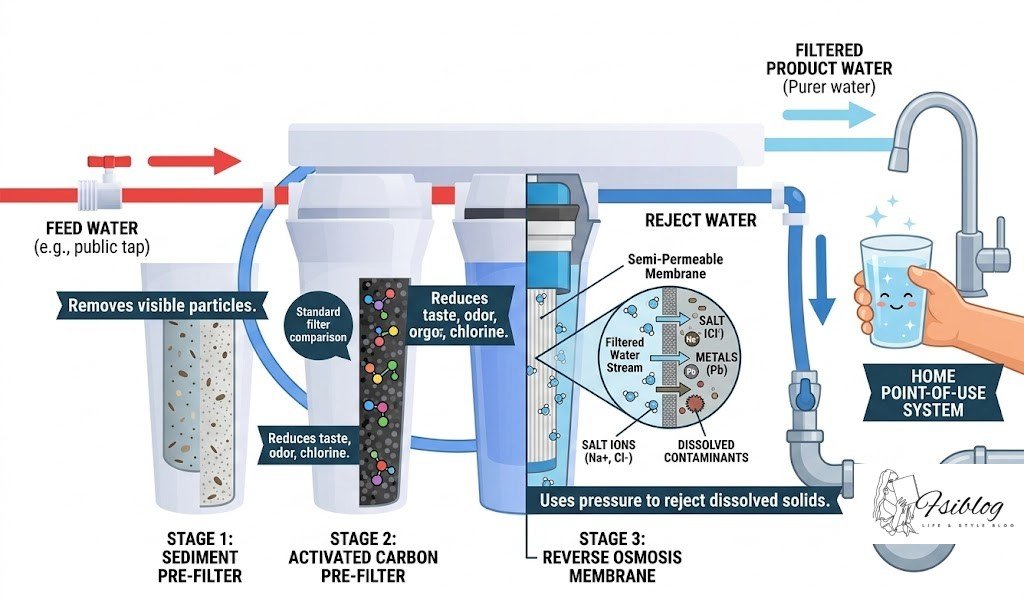
Reverse osmosis is a water filtration method that uses pressure to push water through a semi-permeable membrane. This membrane allows water molecules to pass through but holds back many dissolved substances.
A standard jug filter can help reduce taste and odour, especially chlorine. Reverse osmosis goes further because it can reduce very small particles and dissolved minerals, salts, metals, and some other contaminants.
The Drinking Water Inspectorate explains that drinking water standards in England and Wales are based on legal limits for substances, organisms, and properties of water. RO is not a replacement for proper public water treatment, but it can be an extra point-of-use filter inside the home.
Why People Use RO Systems at Home
Most UK households receive mains water that is already treated. GOV.UK advises that tap water should be clear and should not smell unusual, and that people should contact their water company or local council if they have concerns about quality.
Even so, some households use RO systems for practical reasons:
- They do not like the taste or smell of their tap water
- They live in a hard water area
- They want to reduce dissolved solids
- They use a private supply, such as a borehole or well
- They want an extra filter for drinking and cooking water
- They want to reduce bottled water use
Water UK says the UK water industry carries out millions of water quality tests each year and supplies treated drinking water to homes across the country through regulated systems. For most people, an RO system is therefore more about extra filtration and taste improvement than replacing the mains water system.
How Reverse Osmosis Works Step by Step
Pre-Filtration
Water first passes through pre-filters. These usually remove larger particles such as sand, rust, dirt, and sediment.
Many systems also include a carbon filter at this stage. Carbon helps reduce chlorine, taste, and odour. This is important because chlorine can affect the RO membrane over time.
Membrane Filtration
This is the main part of the system. Water is pushed under pressure through the RO membrane.
The membrane has very small pores. According to the CDC, reverse osmosis uses a process that reverses the natural flow of water by pushing it from a dirtier solution towards a cleaner one through a filter.
This stage can reduce many substances that are dissolved in water, including certain salts, metals, and minerals.
Waste Water Flow
Not all the water becomes drinking water. Some water is used to carry rejected substances away from the membrane.
This is normal for RO systems. The amount of water wasted depends on the system design, water pressure, and filter condition. Modern systems are usually more efficient than older models, but it is still worth checking the product details before buying.
Post-Filtration
After the membrane stage, many systems send the filtered water through a final carbon filter. This is sometimes called a polishing filter.
Its job is to improve taste and remove any remaining odour before the water reaches the tap.
Storage or Direct Flow
Some RO systems store filtered water in a small tank under the sink. Others are tankless and filter water on demand.
A tank system gives quick access to stored water. A tankless system can save space, but the water flow rate depends on the system capacity.
Main Parts of a Home RO System
A typical under-sink RO system may include:
- Sediment filter
- Carbon pre-filter
- RO membrane
- Post-carbon filter
- Storage tank
- Dedicated drinking water tap
- Flow restrictor
- Automatic shut-off valve
- Pipework and connectors
Each part has a job. The pre-filters protect the membrane, the membrane does the fine filtration, and the post-filter improves the final taste.
What Can Reverse Osmosis Reduce?
RO systems can reduce many substances, but the exact performance depends on the system, membrane quality, water pressure, and filter condition.
A properly maintained RO system may reduce:
- Dissolved salts
- Lead
- Copper
- Chromium
- Nitrates
- Fluoride
- Sodium
- Sediment
- Some bacteria and viruses
- Some chemicals
- Total dissolved solids
The CDC notes that reverse osmosis filters can remove parasites, bacteria, and viruses, and may reduce several chemicals, including lead, copper, chromium, chloride, and sodium. However, it also advises checking the system label for the specific chemicals a system is designed to remove.
That point is important. Not every RO system removes the same things to the same level. Buyers should check product testing, certification, and filter claims before choosing a system.
Certification Matters
When buying an RO system, do not rely only on marketing claims. Look for proper testing and clear product information.
NSF explains that NSF/ANSI 58 covers point-of-use reverse osmosis drinking water treatment systems. It looks at areas such as material safety, structural integrity, total dissolved solids reduction, efficiency, recovery rating, and contaminant reduction claims.
In simple terms, certification helps buyers understand whether a system has been tested against recognised standards. It also helps avoid vague claims such as “removes everything,” which is not a useful or realistic promise.
Benefits of Reverse Osmosis
Better Taste
One of the biggest reasons people install RO systems is taste. Removing chlorine taste, odour, and dissolved solids can make water more pleasant to drink.
Less Bottled Water
A home RO system may reduce the need to buy bottled water. This can save money over time and cut down on plastic waste.
Useful for Cooking and Hot Drinks
Filtered water can improve the taste of tea, coffee, soups, and cooking water. In hard water areas, some people also prefer filtered water because it feels cleaner and tastes softer.
Extra Peace of Mind
For households with specific concerns, such as old plumbing or private water supplies, RO can offer an added layer of protection. However, if water looks, smells, or tastes unusual, the first step should still be to contact the water company or local council, as advised by GOV.UK.
Things to Know Before Buying
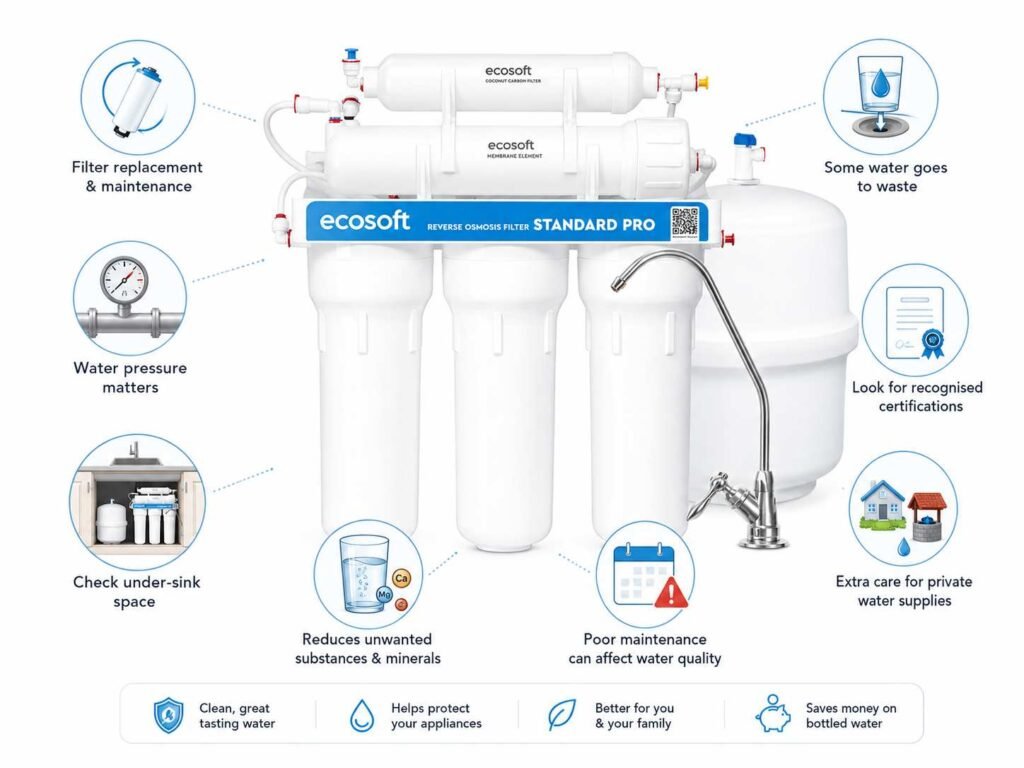
Reverse osmosis is useful, but it is not perfect for every home.
Here are a few points to consider:
- RO systems need filter changes
- Some systems use more water than they produce
- Water pressure affects performance
- Installation space is needed under the sink
- RO can reduce minerals as well as unwanted substances
- Poor maintenance can reduce water quality
- Not every system is certified for the same contaminants
If you are on a private water supply, you should be extra careful. Private supplies are not managed in the same way as mains water. Testing the water first can help you choose the right treatment system.
Maintenance and Filter Replacement
RO systems work best when maintained properly.
In many home systems:
- Pre-filters may need changing every 6 to 12 months
- Carbon filters may need changing every 6 to 12 months
- RO membranes may last around 2 to 5 years
- Storage tanks and fittings should be checked regularly
- The system should be sanitised according to the manufacturer’s guidance
These timings can vary. A busy household, hard water, or poor incoming water quality can shorten filter life.
If the water flow slows down, the taste changes, or the system becomes noisy, it may be time to check the filters or call a professional.
Is Reverse Osmosis Right for Every UK Home?
Not always. If your tap water tastes fine and you have no concerns, a basic filter may be enough. In many UK homes, mains water is already safe to drink and regularly tested.
RO may be a better fit if you want a stronger under-sink filtration system, dislike the taste of tap water, live in a hard water area, or want to reduce certain dissolved substances.
The best approach is to start with the problem you want to solve.
- Do you want better taste?
- Less limescale? Fewer dissolved solids?
- Extra filtration for a private supply?
Once you know that, it becomes easier to choose the right system.
Conclusion
Reverse osmosis is a strong water filtration method that can improve the taste and quality of drinking water at home. It works by pushing water through pre-filters, a fine RO membrane, and a final polishing filter before the water reaches your tap.
For UK households, RO is usually an extra layer of filtration rather than a replacement for regulated mains water treatment. It can be useful, but it should be chosen carefully, installed properly, and maintained on time.
A good RO system should have clear performance claims, reliable filters, and proper guidance on maintenance. With the right setup, it can provide clean, fresh-tasting water for drinking, cooking, and everyday use.