



Maintaining a healthy lifestyle is often associated with expensive gym memberships, organic foods, and costly wellness products. But the truth is, you don’t need to spend a fortune to take care of your body and mind. In fact, some of the most effective health habits are simple, affordable, and easy to incorporate into your daily routine.
If you’ve ever felt that staying healthy is too expensive, this guide will show you how to prioritize your wellbeing while still saving money. By making smarter choices and focusing on sustainable habits, you can achieve better health without putting pressure on your finances.
Why Health Doesn’t Have to Be Expensive

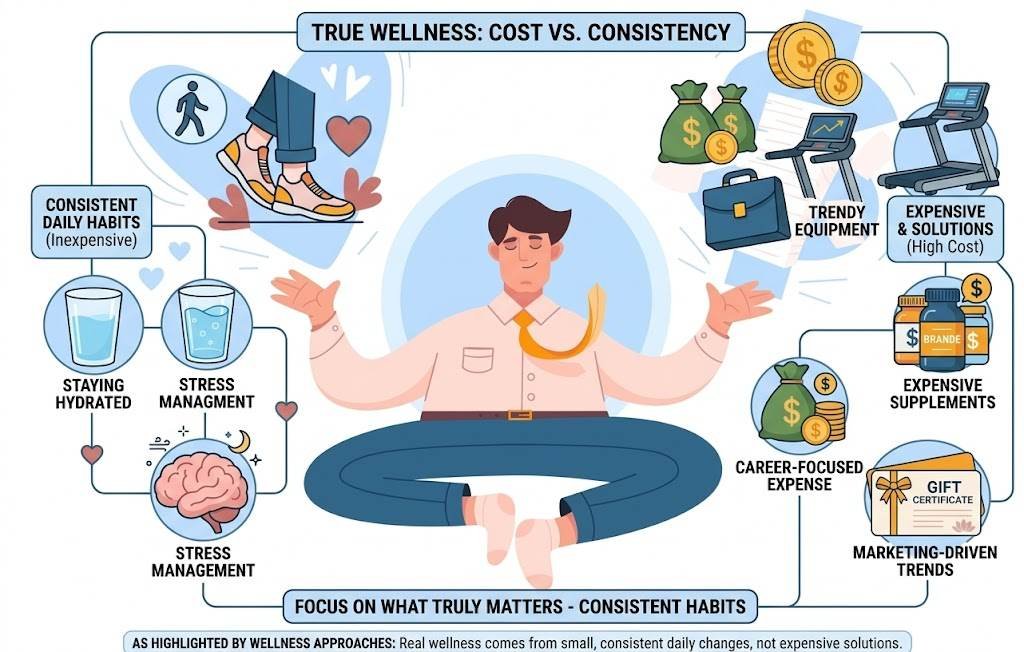
Many people believe that a healthy lifestyle requires a big budget, but this is a common misconception. According to the approach followed by platforms like FSIBlog, real wellness comes from consistent daily habits, not expensive solutions.
Simple activities like walking, staying hydrated, and managing stress can significantly improve your overall health. In fact, lifestyle blogs often highlight that small, consistent changes can lead to major health benefits over time.
The key is to focus on what truly matters rather than getting caught up in trends or marketing.
1. Focus on Free and Low-Cost Exercise
You don’t need a gym membership to stay active. There are plenty of ways to exercise without spending money:
- Walking or jogging in your local area
- Home workouts using bodyweight exercises
- Following free fitness videos online
- Cycling or outdoor activities
Walking, in particular, is one of the easiest and most effective ways to stay healthy. It requires no equipment and can easily fit into your daily routine.
By choosing free exercise options, you can stay fit while saving money that would otherwise be spent on memberships or classes.
2. Plan Your Meals Smartly
Healthy eating doesn’t have to be expensive if you plan your meals wisely. Many people overspend on food simply because they don’t prepare in advance.
Here are some practical tips:
- Buy ingredients in bulk
- Cook meals at home instead of ordering takeout
- Choose seasonal fruits and vegetables
- Avoid processed and packaged foods
Meal planning not only improves your diet but also reduces waste and unnecessary spending. Preparing your own meals gives you control over ingredients, making it both healthier and more cost-effective.
3. Prioritize Mental Health Without Spending More
Mental health is just as important as physical health, and it doesn’t require expensive therapy sessions or retreats to improve.
Simple and effective practices include:
- Daily journaling
- Meditation and mindfulness
- Spending time in nature
- Taking regular breaks from screens
Many wellness resources emphasize that stress management and self-care can be achieved through small daily habits rather than costly solutions.
By adopting these practices, you can improve your emotional well-being while also saving money.
4. Build Healthy Daily Habits
Consistency is the foundation of good health. Instead of making drastic changes, focus on building small habits such as:
- Drinking enough water
- Sleeping 7,8 hours daily
- Stretching or doing light exercise
- Maintaining a balanced routine
These habits may seem simple, but over time they create a strong foundation for long-term health. The best part is that they cost nothing but offer significant benefits.
5. Avoid Expensive Health Trends
The health and wellness industry is full of trends that promise quick results but often come with a high price tag. From detox teas to expensive supplements, many of these products are unnecessary.
Instead of following trends:
- Stick to proven, basic health practices
- Focus on whole foods rather than supplements
- Avoid products with unrealistic claims
Remember, sustainable health is built on consistency, not quick fixes. Avoiding these trends is a smart way of saving money while staying focused on what truly works.
6. Create a Balanced Lifestyle
A healthy lifestyle is not just about diet or exercise; it’s about balance. Managing your time effectively can reduce stress and improve overall well-being.
Try to:
- Maintain a work-life balance
- Schedule time for relaxation
- Stay connected with friends and family
- Limit overworking and burnout
Lifestyle balance is often highlighted as a key factor in maintaining both mental and physical health.
When your life is balanced, you’re less likely to rely on expensive solutions to fix stress-related issues.
7. Prevent Health Issues Early
Preventive care is one of the most effective ways to reduce healthcare costs. By taking care of your health early, you can avoid expensive treatments later.
Some preventive steps include:
- Regular physical activity
- Healthy eating habits
- Managing stress
- Staying hydrated
Investing time in prevention is one of the smartest ways of saving money in the long run while maintaining a better quality of life.
8. Use Community Resources
Many communities offer free or low-cost resources that support healthy living, such as:
- Public parks and walking tracks
- Free fitness events
- Community health programs
- Online wellness communities
Taking advantage of these resources allows you to stay active and engaged without spending extra money.
9. Stay Consistent and Patient
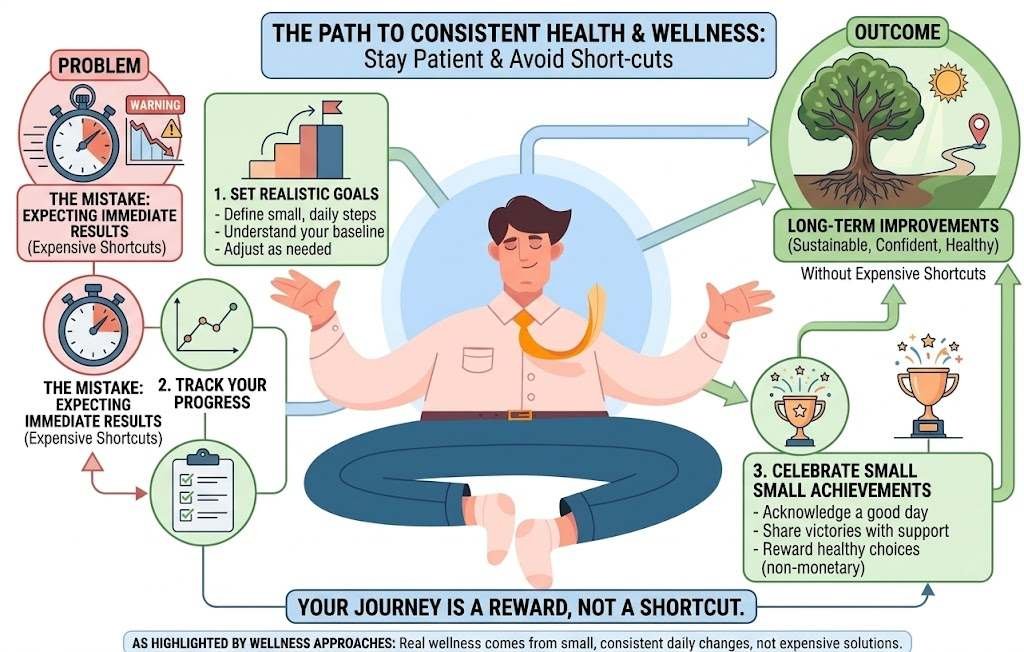
One of the biggest mistakes people make is expecting immediate results. Health improvements take time, and consistency is key.
Instead of focusing on quick results:
- Set realistic goals
- Track your progress
- Celebrate small achievements
By staying patient and consistent, you’ll see long-term improvements without the need for expensive shortcuts.
Final Thoughts
Living a healthy life doesn’t have to be expensive or complicated. By focusing on simple habits, making smart choices, and avoiding unnecessary expenses, you can improve your well-being while saving money at the same time.
The key is to prioritize consistency over perfection. Small daily actions like walking, eating home-cooked meals, and managing stress can have a powerful impact on your health.
In the end, the best investment you can make is in yourself. And the good news is, it doesn’t have to cost a fortune.