


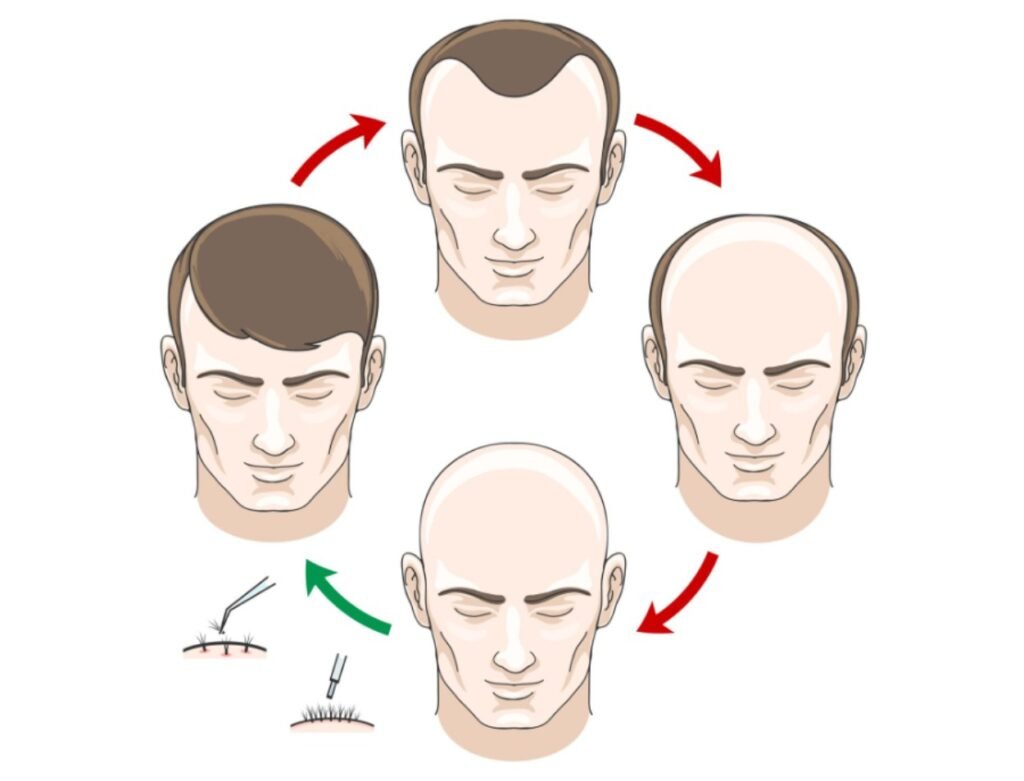
Seeing excess hair in your shower drain or observing that your hair parting has become wider is certainly an alarming situation for you to face. If you are facing this problem at present, then know that you are not alone, since this hair problem is one of the most Googled hair problems in the world today.
Hair loss will never be an immediate issue which occurs suddenly, but understanding the reasons behind it will always be the best way forward to a solution. Hair thinning will be caused by a combination of various aspects, which may include genes, hormone imbalance, nutrition deficiency, stress, and even other medical issues. In most cases, there will be a combination of several aspects that cause hair loss to occur. Luckily, the fact that the underlying cause of hairloss(haarverlies) can be recognized in its initial stages means that treatment will usually work much better if done before the problem manifests itself visually. Provided that a person takes appropriate steps in terms of lifestyle change, adequate medical consultation, and treatment, it will help to manage the issue and even prevent it completely. Let us now look at what you can do to achieve it.
The Problem
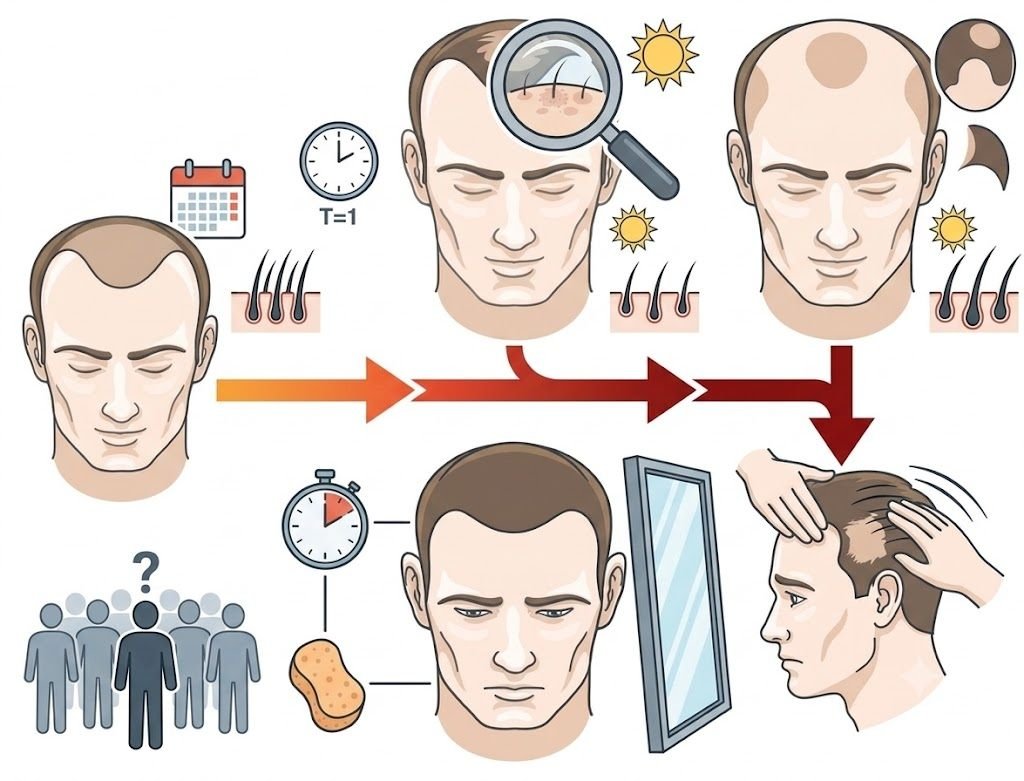
However, hair loss and balding do not happen instantly but gradually because of small things that lead to it, such as separation of hairs which is wider than before, visibility of the scalp due to sun exposure, or thinning hair compared to previously. Over time, this leads to balding patches, especially in the area of the temples, head, and hairline.
It can be as important as the physical effect of hair loss and balding. Individuals tend to lack confidence in public and while at work, prefer specific hairstyles, and take additional time grooming their hair so as to conceal the bald spots. In addition, it is more influential on self-confidence than hair thickness.
Why It Happens
Hair loss and bald spots may arise due to several causes, and finding out what causes them is very important before deciding on any remedy.
- Genetic reasons: Inherited hair thinning is known as pattern baldness and is the most common reason for hair fall in males and females. It always occurs in a certain pattern and runs in families.
- Hair growth disorder because of hormonal imbalance: Hormone imbalance due to pregnancy, menopause, thyroid, and other hormonal disorders can lead to an alteration in the hair growth process.
- Hair fall due to physical/emotional stress: Physical or emotional stress causes hair follicles to go into the resting stage, causing hair loss after some months.
- Disorder in nutritional deficiencies: Deficiency of vital nutrients like iron, protein, zinc, and vitamin D impacts the hair follicle and hair growth.
- Health disorders and drugs: Various diseases, health problems, and certain drugs (which might include cancer drugs, blood pressure drugs, or antidepressants) can cause hair loss.
- Scalp health: Poor scalp circulation, inflammation, or conditions like dandruff and folliculitis can weaken hair follicles over time.
Because there are so many possible causes, the same visible symptom, thinning or bald patches, can have very different underlying reasons from person to person.
3 Solutions to Manage Bald Patches and Thinning Hair
1. Identify the Root Cause First
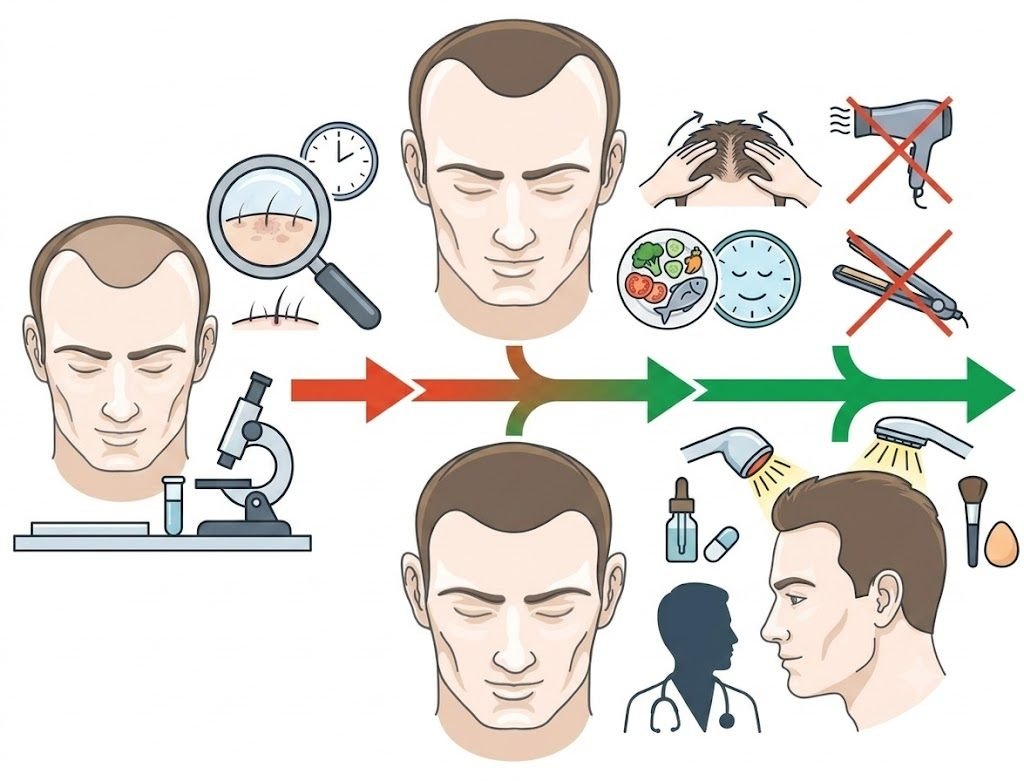
Before taking any action, it is necessary to take time to consider the cause of hair loss. One way of doing this is by simply observing some patterns: Is it acute or chronic? Is it confined to one part or does it affect the entire scalp? Does it come after a certain period in life or some illnesses?
The blood test can help identify whether the problem is caused by nutritional deficiency or some hormonal imbalance. The observation of the scalp may be another way of identifying whether there is any fungal infection or inflammation on the scalp. Without such an observation, most of the time, people try out solutions without addressing the cause.
2. Support Hair Growth Through Nutrition and Scalp Care
Now that the root cause is known, nourishing the scalp and follicles from within can make all the difference.
- Diet: A diet that includes iron, zinc, biotin, omega-3 acids, and proteins keeps follicles healthy.
- Scalp massage: Scalp massage may improve circulation and may support healthier hair growth in some people.
- Heat and chemical stress: Excessive heat styling and other chemical stresses will cause hair breakage, along with existing hair loss.
- Good sleep and stress reduction: As stress causes hair fall, good sleep or exercise can help to cope with the stress problem.
All these measures will not restore the hair that is genetically prone to thinning, but they will help to create conditions favorable for healthy hair growth and slow down the hair loss process.
3. Explore Medical and Cosmetic Options
For more persistent or advanced hair thinning, several established approaches can help, depending on the cause and personal preference:
- Topical treatments: OTC and prescription hair loss medications are available for slowing down hair loss, as well as sometimes encouraging regrowth.
- Low-level laser therapy: The use of devices that are designed to encourage follicle growth through light treatment is a method that some individuals opt for as a non-invasive way of promoting hair thickness.
- Professional advice: Dermatologists and trichologists can offer recommendations of treatment regimes based on the cause of hair loss, which could be hormonal, genetic or nutritional.
- Camouflage cosmetics: Those individuals who desire instant results alongside treatments have the choice of using hair camouflaging methods.
The combination of medical advice with proper expectations usually yields the best results.
Expert Advice
Dermatologists and trichologists generally agree on a few key principles when it comes to managing hair thinning:
- Intervention is key. The earlier you find the cause of the problem, the easier it becomes, specifically in cases of pattern-related hair thinning.
- Consistency trumps intensity. Most solutions, regardless of whether they are diet-based, topical, or drug-based, require several months of treatment before any effect can be seen. Switching products too often makes it hard for you to assess which ones work.
- Consider your body holistically. Your hair’s condition is very much dependent on your overall state of health. Factors like your quality of sleep, stress levels, diet habits, and illnesses that you may be having must also be considered.
- Set realistic goals. It is possible that hair regrowth may not be attained, especially in cases where the problem is genetic in nature. This way, you will not set yourself up for disappointment and make better choices in hair loss solutions.
FAQs
Is it possible for hair thinning to be irreversible?
- It is not always the case because some factors that lead to hair loss, such as hair shedding due to stress or nutritional deficiencies, could actually be reversible when the cause is dealt with. Genetically related hair thinning would tend to be irreversible, but the process could be slowed down.
How soon will results be evident?
- Hair growth takes time, and most treatments should be used regularly for around three to six months to yield noticeable results.
Is it possible for the problem to be solved by dietary means alone? Although the diet could play a supportive role, especially if the cause is nutritional, this is usually not the case.
Should I visit a doctor before anything else?
- It might be a good idea, particularly if your thinning has occurred suddenly and irregularly, along with other signs such as itching, scalp pain, or tiredness, as these could suggest that there is some problem with your health.
Does stress actually lead to bald spots?
- Absolutely, as extreme physical or emotional stress can cause a particular condition of hair loss. It normally manifests several months after the stressful period and disappears when stress levels are reduced.
Final Thoughts
While not every type of hair loss can be reversed, early diagnosis and consistent treatment often lead to better outcomes. Hair thinning can result from many factors, including genetics, hormonal changes, stress, nutritional deficiencies, and underlying medical conditions. Understanding the root cause is the first step toward choosing the most effective approach.
Supporting your hair with a balanced diet, good scalp care, healthy lifestyle habits, and professional guidance when needed can help slow hair loss and, in some cases, encourage regrowth. If your hair thinning is sudden, persistent, or accompanied by other symptoms, consulting a healthcare professional can help identify the underlying cause and recommend an appropriate treatment plan. Taking action early gives you the best opportunity to protect your hair and maintain its long-term health.