


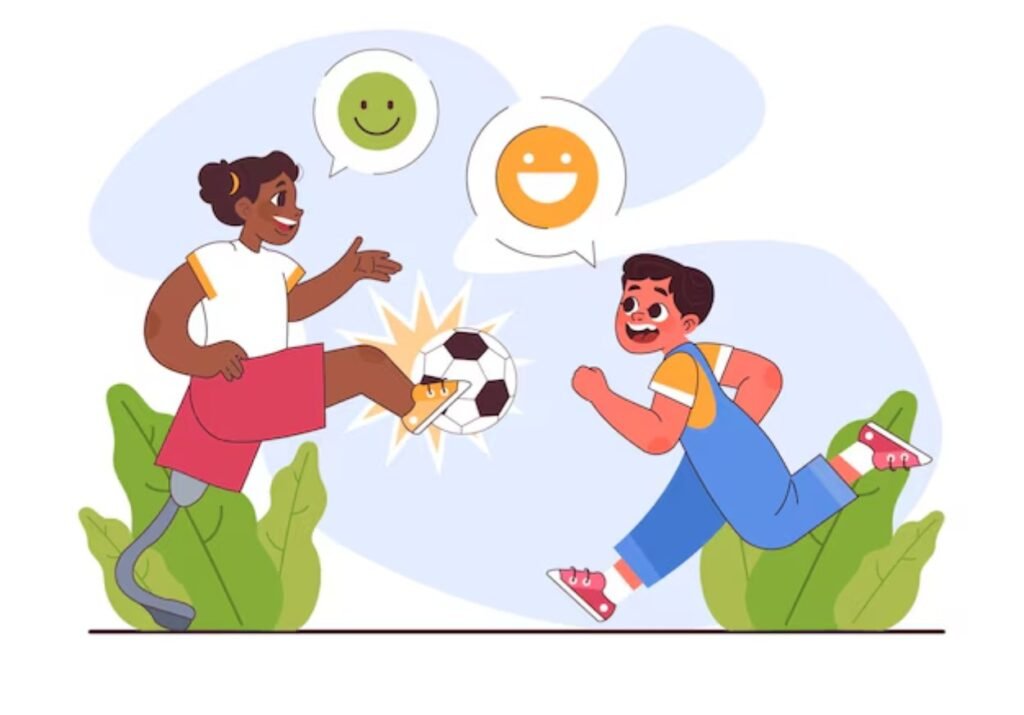
The benefits of playing sports go far beyond physical fitness. Sports are a critical part of maintaining a healthy lifestyle, enhancing mental clarity, reducing stress, and building social connections. Whether it’s football, swimming, running, tennis, or recreational games, staying active offers significant long-term benefits that affect every area of your life.
According to the World Health Organization (WHO), regular physical activity reduces the risk of chronic diseases such as heart disease, diabetes, stroke, and some cancers by up to 35%. Yet nearly one in three adults worldwide does not meet the recommended activity level (150 minutes of moderate activity per week), underscoring the importance of understanding how sports improve overall health and why starting matters today.
Physical Health Benefits: Building a Stronger Body

Playing sports strengthens the heart, muscles, and bones while improving flexibility, coordination, and stamina. The benefits are both immediate and cumulative, meaning you’ll feel better quickly and continue improving over time.
Cardiovascular Health
Sports like running, cycling, swimming, and football are excellent for heart health. The CDC notes that even moderate activities like cycling or badminton improve cardiovascular health, lower blood pressure by 5 to 10 mmHg, and enhance sleep quality. Regular participation can reduce the risk of heart disease by up to 35%.
What happens in your body: Your heart becomes more efficient at pumping blood, your resting heart rate decreases, and your blood vessels become more flexible. This means your cardiovascular system works less hard during daily activities, giving you more energy throughout the day.
Weight Management and Metabolism
Sports burn calories and build lean muscle, which increases your resting metabolic rate. This means you burn more calories even when not exercising. A game of football can burn 400 to 600 calories per hour, while swimming can burn 500 to 700 calories, depending on intensity.
Practical benefit: Unlike restrictive diets, sports make weight management sustainable and enjoyable. You’re not just losing weight; you’re building a body that naturally maintains a healthy weight.
Bone Density and Joint Health
Weight-bearing sports like running, tennis, basketball, and football strengthen bones and reduce the risk of osteoporosis. The impact and resistance — whether from movement or training tools like weight plates at Fitness Avenue — force bones to rebuild stronger, particularly important as we age.
Long-term advantage: Engaging in sports helps maintain mobility and independence as people age, reducing the risk of falls and injuries by up to 40% in older adults. Starting young builds a “bone bank” that protects you decades later.
Enhanced Immune Function
Regular moderate exercise boosts immune system function, helping you fight off colds, flu, and infections more effectively. Studies show that people who exercise regularly take 40-50% fewer sick days than sedentary individuals.
Important note: While moderate exercise strengthens immunity, overtraining without adequate recovery can temporarily suppress it. Balance is key.
Better Sleep Quality
Physical activity helps regulate circadian rhythms and promotes deeper, more restorative sleep. People who play sports regularly fall asleep faster (typically 10 to 15 minutes quicker) and experience better sleep quality, waking up more refreshed.
Why it matters: Better sleep improves everything from cognitive function and mood to metabolic health and injury recovery. It creates a positive cycle where good sleep enhances athletic performance, which in turn improves sleep.
Mental Health Benefits: Transforming Your Mind
The mental health benefits of sports are equally important and often life-changing. Physical activity triggers endorphin release, improving mood, reducing anxiety, and alleviating depressive symptoms. But the benefits go much deeper than just feeling good.
Stress Reduction and Anxiety Management
Exercise reduces cortisol (a stress hormone) levels and increases endorphin production, your brain’s natural mood elevators. A 30-minute run can reduce anxiety levels for up to 4 hours afterward.
Real impact: Sports provide a natural mental escape from the pressures of modern life, helping individuals recharge emotionally. The focused attention required during play creates a meditative state that clears mental clutter.
Depression Relief
Research shows that regular physical activity can be as effective as medication for mild to moderate depression. Exercise promotes neural growth, reduces inflammation, and creates new activity patterns that promote feelings of calm and well-being.
Important evidence: A landmark study found that 30 minutes of moderate exercise three times per week reduced depression symptoms by 47% over 12 weeks, comparable to antidepressant medication.
Improved Cognitive Function
Sports enhance brain function in multiple ways. They increase blood flow to the brain, stimulate growth of new brain cells, and strengthen connections between existing ones. This translates into better memory, sharper focus, and improved problem-solving abilities.
Age-related benefit: Regular physical activity reduces the risk of dementia by up to 30% and the risk of Alzheimer’s disease by up to 45%. It’s one of the most powerful preventive measures for cognitive decline.
Building Mental Resilience
Regular engagement fosters discipline, focus, and resilience, equipping participants to manage daily stress effectively. Sports teach you to push through discomfort, bounce back from setbacks, and maintain effort when things get difficult. These skills transfer directly to work, relationships, and life challenges.
Character development: You learn that improvement takes time, failure is part of growth, and consistency beats intensity. These lessons reshape how you approach obstacles in all areas of life.
Boosted Self-Esteem and Confidence
Achieving fitness goals, mastering new skills, and seeing physical improvements build genuine self-confidence. This isn’t superficial; it’s based on real accomplishment and capability. When you prove to yourself that you can run a 5K, learn a new sport, or compete effectively, you build unshakeable self-belief.
Bonus benefit: The confidence gained through sports often spills over into career, relationships, and personal challenges, creating a more assertive and capable version of yourself.
Social and Lifestyle Benefits: Building Community
Team sports cultivate communication, trust, and collaboration. You learn to work toward shared goals, support teammates through struggles, and celebrate collective achievements. Individual sports can also create social communities through training groups, running clubs, cycling groups, and local events.
Building Meaningful Connections
Sports create bonds through shared experiences and mutual support. The friendships formed through sports often last decades because they’re built on overcoming challenges together, not just casual conversation.
Community impact: Local sports clubs, parkrun groups, and recreational leagues provide built-in social networks. This is particularly valuable for people new to an area, working from home, or looking to expand their social circle.
Life Skills Development
Beyond physical and mental gains, sports encourage healthy lifestyle habits, such as:
- Time management: Balancing training with work and personal life
- Goal setting: Creating and achieving progressive targets
- Consistent routines: Building discipline through regular practice
- Delayed gratification: Training now for results later
- Teamwork: Collaborating effectively with diverse personalities
- Leadership: Taking initiative and motivating others
These skills translate directly to career success and personal relationships.
Positive Role Modeling
When you play sports regularly, you naturally influence family and friends. Children who see adults playing sports are 3 to 4 times more likely to be active themselves. You create a ripple effect of health and wellness in your community.
Sense of Belonging and Purpose
Being part of a team or sports community gives you something to look forward to, people who count on you, and a shared identity. This sense of belonging is crucial for mental health and life satisfaction.
Making Sports a Part of Daily Life: Practical Strategies
You don’t need to be a professional athlete to reap the benefits of playing sports. Simple, consistent activities such as walking, cycling, weekend football, swimming, or home workouts are effective. The key is consistency; it’s better to engage regularly at a moderate pace than sporadically at high intensity.
Start Where You Are
Complete beginners:
- Walking 20 to 30 minutes daily
- Beginner YouTube workout videos
- Local beginner classes (yoga, swimming, dance)
- Park bootcamps or outdoor fitness groups
Previously active but returning:
- Reduce your old intensity by 50% initially
- Focus on rebuilding the habit before pushing performance
- Join recreational leagues rather than competitive ones
- Give yourself 4 to 6 weeks to rebuild base fitness
Already active but wanting more:
- Add cross-training to prevent overuse injuries
- Join a club or team for social motivation
- Set specific performance goals (race times, skill development)
- Try a completely new sport to stay mentally engaged
Remove Common Barriers
- “I don’t have time”: Start with just 10 minutes. Research shows that even brief activity bouts accumulate benefits. Three 10-minute walks equal one 30-minute session in terms of health benefits.
- “It’s too expensive”: Walking, running, home bodyweight workouts, and YouTube fitness channels are free. Many community centres offer low-cost classes. Parkrun is free worldwide every Saturday morning.
- “I’m not athletic”: Sport is for every body type and ability level. Focus on activities you enjoy, not what you think you “should” do. Enjoyment predicts long-term adherence better than any other factor.
- “I’m embarrassed about my fitness level.” Everyone started somewhere. Most sports communities are incredibly welcoming and supportive of beginners. Remember that people are focused on their own performance, not judging yours.
Make It Sustainable
- Find what you genuinely enjoy: You’re exponentially more likely to stick with activities you find fun. Try different sports until something clicks. Hate running? Try swimming. Don’t like gyms? Try outdoor activities or team sports.
- Build social accountability: Exercise with friends, join clubs, or participate in group classes. You’re 3 times more likely to maintain consistency when others expect your presence.
- Track progress: Use apps, journals, or simple calendars to mark active days. Seeing your streak grow is incredibly motivating. Aim for 3 to 4 sessions weekly initially.
- Schedule it like appointments: Block time in your calendar specifically for sports. Treat it as non-negotiable as a work meeting or a doctor’s appointment.
- Prepare the night before: Lay out workout clothes, pack your gym bag, or prepare your bicycle. Removing friction points makes following through easier when motivation is low.
Recommended Weekly Targets
According to WHO guidelines:
- Adults: 150 to 300 minutes of moderate intensity activity OR 75 to 150 minutes of vigorous activity weekly
- Children and teens: 60 minutes daily of moderate to vigorous activity
- Older adults: Include balance and strength training 2+ times weekly
Sample balanced week:
- Monday: 30-minute run or cycle
- Tuesday: Strength training or yoga (45 minutes)
- Wednesday: Rest or light walk
- Thursday: Team sport or fitness class (60 minutes)
- Friday: Rest or stretching
- Saturday: Longer activity like hiking, swimming, or football (90 minutes)
- Sunday: Active recovery like walking or easy cycling
Additional Benefits Worth Noting
Better Productivity and Focus
Regular exercisers report productivity levels 15-20% higher. Physical activity increases blood flow to the brain, improving concentration, creativity, and decision-making ability for hours afterward.
Improved Relationships
Couples who exercise together report higher relationship satisfaction. Shared physical activity creates bonding opportunities and mutual support. It also provides structured quality time, free from screens and distractions.
Financial Benefits
While there may be some equipment or membership costs, sports dramatically reduce healthcare expenses long term. Physically active people spend significantly less on medical care, medications, and sick days. The return on investment is substantial.
Longevity
Regular physical activity can add 3 to 7 years to your lifespan, but more importantly, it adds life to your years. Active older adults maintain independence, cognitive function, and quality of life far longer than sedentary peers.
Final Thoughts
The benefits of playing sports extend far beyond physical fitness. They enhance mental health, foster social engagement, build lifelong healthy lifestyle habits, and fundamentally improve your quality of life across every dimension.
The evidence is overwhelming: sports and physical activity are among the most powerful interventions available for physical health, mental well-being, social connection, and life satisfaction. The challenge isn’t understanding the benefits; it’s taking the first step.
Making sports a part of your routine is one of the most effective ways to improve your overall well-being. Start small, be consistent, find activities you enjoy, and build from there. Your body, mind, and future self will thank you.
Remember: the best exercise is the one you’ll actually do. Don’t wait for perfect conditions, the right equipment, or a new week to start. Begin today with whatever you have, wherever you are. Even 10 minutes of movement is infinitely better than none.
The life transformation you’re seeking might just be hiding in a pair of trainers and the decision to use them.