


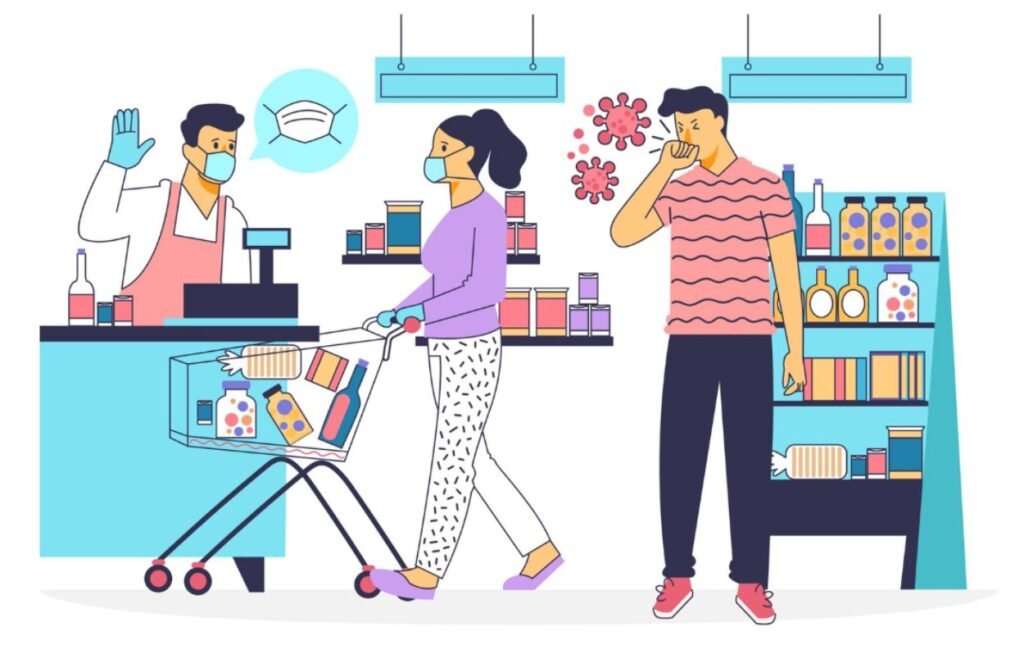
There has been a noticeable change in the way people in the UK deal with everyday health problems. For a long time, the GP surgery was the first place many people thought of, even for minor issues. That is still the right route for many health concerns, but it is no longer the only sensible option for everything.
More people are now going to their local pharmacy first. Some are also using regulated online pharmacy services from home, especially when the problem is common, straightforward, or a little awkward to talk about face-to-face. It is not hard to see why. Getting a GP appointment can be difficult in many areas, and waiting days or weeks for something that could be assessed more quickly elsewhere can be frustrating.
This does not mean pharmacies are replacing doctors. They are not. But for many everyday conditions, a pharmacist can often offer advice, treatment, or a clear next step without the long wait. The NHS has also made pharmacy care more visible through services such as Pharmacy First, which allows many people to get help for selected common conditions without needing to see a GP first.
What Can Be Treated At A Pharmacy
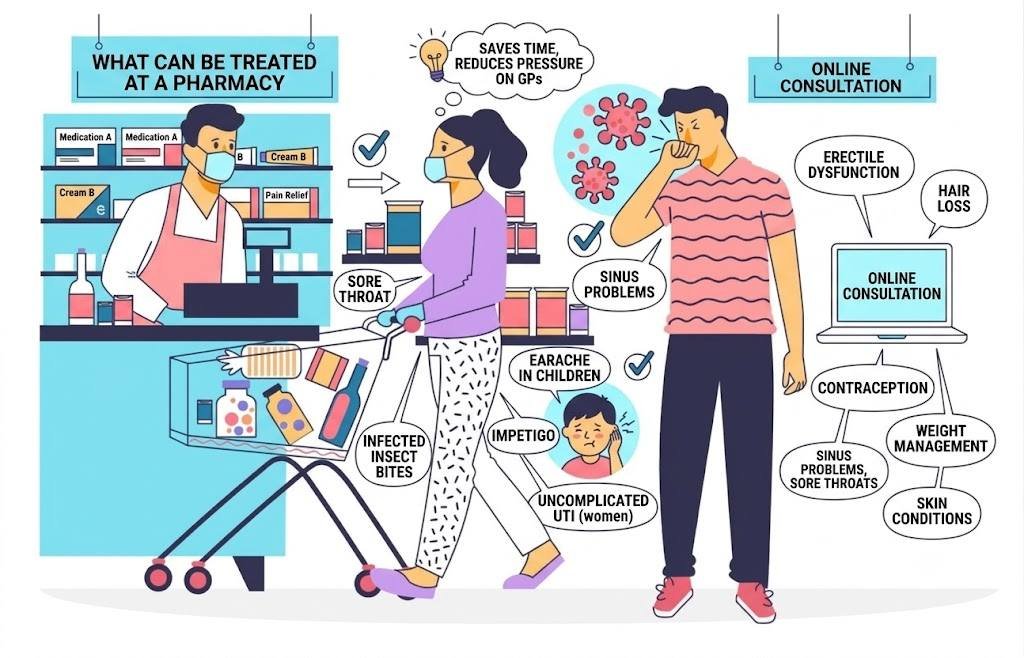
Many people still think of pharmacies as places where you collect prescriptions, buy cold medicine, or ask about painkillers. That is part of what they do, but their role has grown a lot. Pharmacists are trained healthcare professionals, and in many cases, they can assess common conditions and recommend suitable treatment.
In England, pharmacies can help with conditions such as sore throats, sinus problems, earache in children, infected insect bites, impetigo, shingles, and uncomplicated urinary tract infections in women within the suitable age range. For someone dealing with a painful urinary tract infection, for example, being able to speak to a pharmacist sooner rather than waiting for a GP appointment can make a real difference.
Online pharmacy services have also made access easier for certain private and sensitive health concerns. Issues such as erectile dysfunction, hair loss, contraception, weight management, and some skin conditions can often be reviewed through an online consultation. When the service is properly regulated, this kind of pharmacy treatment can be a safe and practical option for people who want help without unnecessary delay.
The main point is simple. If the condition is suitable for pharmacy care, it can save time for the patient and reduce pressure on GP surgeries at the same time. It also gives people another route to care when they might otherwise wait, worry, or ignore the problem completely.
When A Pharmacist Is The Right First Step
A pharmacist can be a good first step when the problem is common, recent, and not showing serious warning signs. If you have a sore throat, a mild skin infection, ear discomfort, hay fever symptoms, or a simple medication question, a pharmacy may be the quickest place to start.
Another benefit is that pharmacies feel easier for many people to approach. You do not always need an appointment, and you can often get advice the same day. For some people, especially those who keep putting off health concerns, that lower barrier matters.
This is especially true for issues people may feel embarrassed about. Many men, for example, delay asking for help with problems such as erectile dysfunction or hair loss because they feel awkward, even when support is available. A pharmacy or online consultation can make that first step feel less daunting.
A good pharmacist will not just hand over medicine and move on. They will ask questions, check whether the symptoms fit, and explain what to do next. If something does not look right, they can tell you to contact a GP, call NHS 111, or seek urgent care.
When You Should Not Rely On A Pharmacy Alone
Pharmacies are useful, but they are not the right place for every health problem. Some symptoms need urgent medical attention. Chest pain, breathing difficulty, signs of a stroke, severe allergic reactions, heavy bleeding, sudden weakness, or serious injury should not be managed through a pharmacy.
For example, the NHS gives clear advice on chest pain and when to call 999. If someone has sudden chest pain that does not go away, or pain with sweating, sickness, light-headedness, or shortness of breath, that needs emergency help rather than a pharmacy visit.
You should also speak to a GP if symptoms have lasted for weeks, keep coming back, are getting worse, or do not have an obvious cause. The same applies if you have a long-term condition, take regular medication, are pregnant, or are worried that something feels unusual for you. If you are unsure where to go, the NHS page on urgent and emergency care services can help you understand the right route.
The value of a pharmacist is not only in treating minor problems. It is also knowing when something needs to be passed on. That judgement is important. A pharmacist can often help you decide whether the issue is simple enough to manage there or whether it needs a doctor.
Why Online Pharmacy Services Are Growing
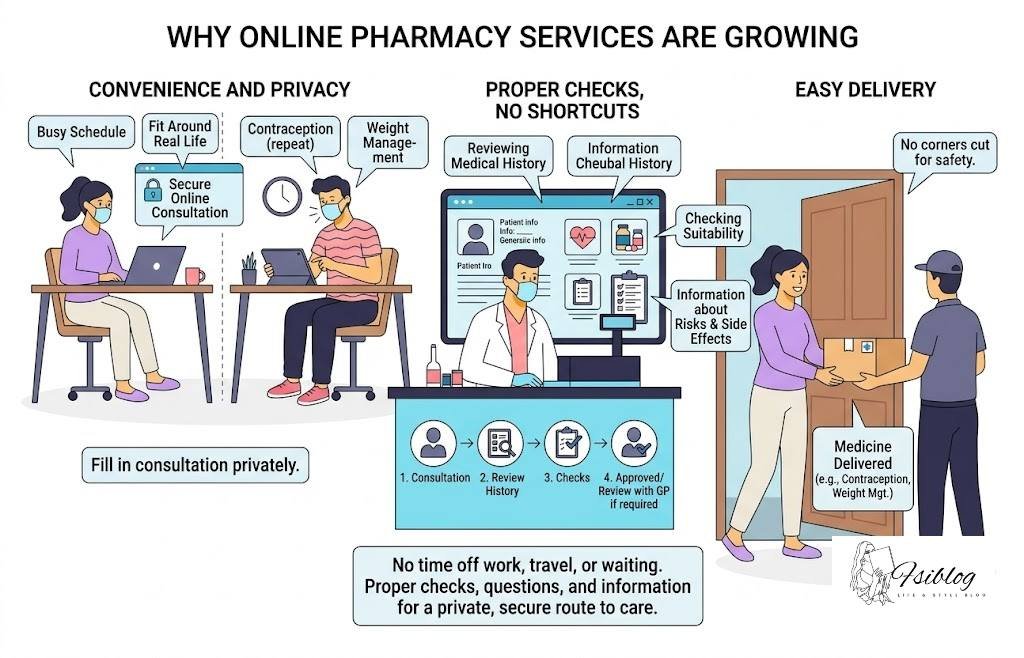
Online pharmacy services have grown because they fit around real life. Not everyone can take time off work, travel to a surgery, wait for a call back, or sit in a waiting room. For many people, filling in a secure online consultation and having the medicine delivered is easier.
This can be useful for repeat or ongoing concerns where the treatment is well understood. For example, someone who has used a certain contraception before, or someone looking for support with managing their weight, may prefer a private online route. The process should still involve proper checks, questions about medical history, and clear information about risks and side effects.
Convenience should never mean cutting corners. A proper online pharmacy should not supply prescription medicine without checking whether it is suitable. If a website seems too casual, avoids medical questions, or promises treatment with no checks at all, that is a warning sign.
Practical Checks Before Using A Pharmacy Service
Before using any pharmacy service, online or in person, it is worth checking that it is registered with the General Pharmaceutical Council. The GPhC regulates pharmacists, pharmacy technicians, and pharmacies in Great Britain, so checking registration is a simple way to avoid unsafe or unregulated providers.
You can also use the MHRA’s register of authorised online sellers of medicines to check whether a website is legally allowed to sell medicines online. This is especially important when buying prescription-only medicines, weight management treatments, or products that are often advertised heavily on social media.
The MHRA has warned people to avoid illegal online sellers of medicines, especially where websites offer prescription-only products without proper checks. Its advice on illegal online weight-loss medicines is a useful reminder that cheaper or faster does not always mean safer.
You should also check how the consultation works, who reviews it, what medicine is being offered, and what the total cost will be. A reputable service should be clear about pricing before you commit. It should also explain what to do if the treatment does not work or if symptoms get worse. If a website looks suspicious, you can use the MHRA service to check or report a suspicious online seller.
For NHS pharmacy services, some treatments may be available without paying more than the usual prescription charge, depending on the service and whether you are exempt. Private online services usually charge separately, so it is sensible to compare costs and read the information carefully before ordering anything.
Final Thoughts
The pharmacy has become a much more important first stop for everyday healthcare in the UK. That does not make the GP less important. It simply means people now have more routes to get help, especially for common conditions that do not always need a doctor’s appointment.
For many people, this change is practical. It means quicker advice, easier access, and less waiting around for problems that can often be handled safely by a pharmacist. For others, it makes it easier to ask for help with issues they may otherwise ignore.
The key is knowing when a pharmacy is enough and when a GP or urgent service is needed. Used properly, pharmacies can make healthcare feel less difficult, less delayed, and more connected to everyday life.