



It’s not the way it used to be.
Travellers are no longer content to go sightseeing, to tick a city off a list, to take photos from the comfort of a tour bus or on the sidewalk. These days, more and more people want to know what a city is like, how it breathes, eats, and meets. And in that sense, food tours have become one of the best ways to do exactly that. History, conversation, and tasting a meal as a way to understand a culture.
But there is another reason a food tour works better than a standard walking tour. It’s not a tour at all. A food tour takes the pressure off. We don’t look at the sights. We look at how people are eating. You get a deeper connection to a place; you will be rubbing shoulders with locals. You taste the city, bite by bite.
Food as a Cultural Translator
Food tells a story. A story about resources, migration, climate, religion, and power. A good food tour will help you unlock those stories. In Tokyo, Japan’s food tradition, the precision, seasonality, and commitment to craftsmanship are immediately apparent when taking a walk through a local ramen joint or a standing sushi bar.
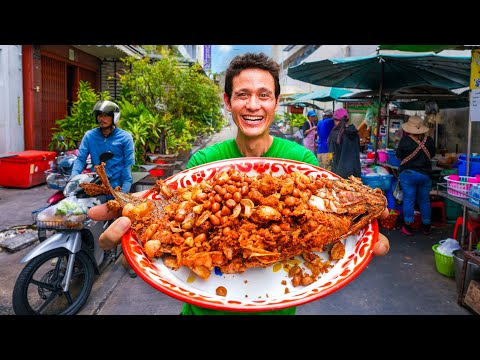
The street food in Bangkok is a lesson too. The informal cuisine and the balance between sweet and salty, sour and spicy, everything all at once. A food walking tour provides the context to understand why you’ll eat this dish at this time of day and why this city eats the way it does.
Why Seoul Is Perfect for a Food Tour
Some cities are better than others for food exploration. Seoul is one of those cities. Almost all South Korean meals are social events. They often include communal dishes, individual rice bowls, and shared meat. People drink first and eat second. This is why so much eating is done at night in Korea, revered for its drinking culture as much as its food (soju and beer). From the markets to the barbecue restaurants, newbie wandering eaters do not have to search too hard in Seoul.
When looking for the best food tour in Seoul, it is helpful to explore the Seoul food scene. As foreigners struggle to pick out a good restaurant among the hundreds of choices, it can also be overwhelming. Especially for first-time visitors to South Korea, one struggles with Korean menus and a lack of understanding of local customs (why is banchan so important? How does kimchi change when eaten in different seasons? What’s the difference between royal cuisine and everyday food?).
A Global Movement
It’s a global trend. In Guadalajara, Mexico, tasting tortas ahogadas, birria, and regional tequilas reinforces Jalisco’s sense of place and its culinary backbone better than any other experience. As it turns out, these dishes exist beyond Mexico’s borders and offer an authentic, distinctive view of the local culinary scene.
Cities in South America, such as Buenos Aires and Rio de Janeiro, have strong reputations for how they eat and how they define themselves through food. Residents in Buenos Aires often book a good food walk that circles them through the city’s most mature and unique food experiences. This means many visits to parrillas, bakeries, and cafés dotted around the city that showcase European food influences and long-standing immigrant cultures. In Rio, while visitors eat feijoada and acarajé on food tours, they learn about the Afro-Brazilian roots of a hearty food culture that is integrally tied to music, worship, and daily community life.
Finding the Right Food Tour for You

But not all food tours aim for time and learning. Some establishments design and develop food tours to hit the highlights. They shuttle guests here and there and allow only so much time to chew on the context. Others underpin their brand with storytelling and local cooks and voices. As informed culinary travelers, folks exploring the world rely on their taste-making footsteps to herd them toward the good stuff. The best segments of the informed culinary traveler market have expanded to include everything neighborhood and local. For that kind of food tour in one or 16 cities, guides often refer experienced eaters and good travelers to Culinary Backstreets, a long-time player in the space.
A Pause Beyond a Place Setting
Food tours work off the simple idea that eating things can slow things down. Maybe just by a bite or two, but enough to let the conversation get going. This is a wonderful opportunity for eaters, but it’s also a brilliant bonus for residents who, for the time it takes to sit for a bite, are visited by guests before those folks move on.
As the world of travel advances, food tours are moving from the margins to the center. People visiting cities with all or no food can connect, translate, and understand the people and history of a place, one dish, neighborhood, and conversation at a time.
Final Experience Recommendation
If you want to truly understand a city beyond its landmarks, a thoughtfully designed food tour is one of the most rewarding experiences you can choose. Instead of rushing between attractions, you move through neighborhoods at a slower pace, tasting local specialties, hearing the stories behind them, and meeting the people who prepare them every day. This combination of flavor, culture, and conversation creates a deeper and more memorable travel experience.
When selecting a food tour, look for smaller group experiences led by knowledgeable local guides who focus on storytelling and authentic food spots rather than tourist-heavy restaurants. Tours that include neighborhood markets, family-run eateries, and traditional dishes often provide the most meaningful insight into a city’s culinary identity.
Finally, the best food tours leave you with more than just a full stomach. They give you a richer understanding of the place you’re visiting, the traditions behind its cuisine, and the people who keep those traditions alive. Whether you’re exploring Seoul, Buenos Aires, Bangkok, or any other food-loving city, tasting your way through its streets may be the most unforgettable way to discover it.