



Many parents feel overwhelmed when they first begin searching for support after their child is diagnosed with autism. Questions about education, communication, behaviour, and long-term development can quickly become stressful without clear guidance.
That is why finding free autism resources for parents is essential, especially for families in the UK who are navigating healthcare systems, school support, and daily care routines.
Autism Spectrum Disorder affects how a child communicates, processes information, and interacts with the world. Every child is different, and there is no single approach that works for everyone. However, with the right resources, parents can feel more confident, informed, and supported.
This expanded guide explains where to find help, how to use it effectively, and what steps UK parents can take to support their child at every stage.
Understanding What Support You May Need
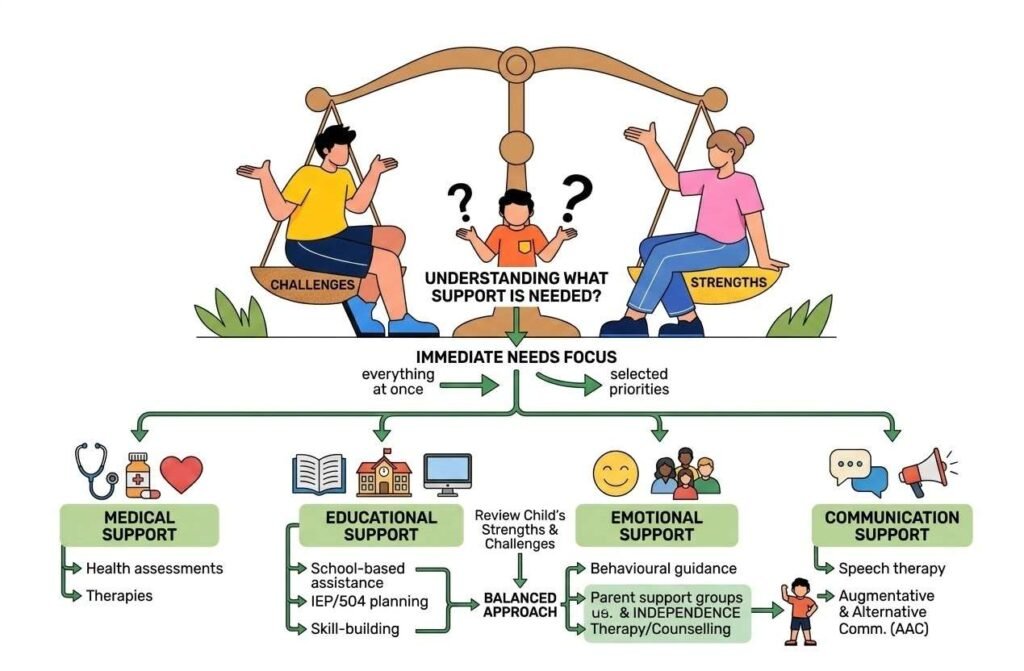
Before exploring specific resources, it is important to understand the types of support available and how they fit into your child’s development. Many parents try to access everything at once, which can feel overwhelming. A better approach is to focus on your child’s immediate needs and build support gradually.
Most families benefit from a mix of medical, educational, and emotional support. Some children may need help with communication, while others may require behavioural guidance or school-based assistance. Identifying your priorities early will help you choose the most useful resources and avoid unnecessary stress.
It is also helpful to review your child’s strengths alongside their challenges. This balanced approach ensures that support is not only focused on difficulties but also on building confidence and independence.
Start With Trusted UK Organisations
When beginning your search, it is best to rely on well-established UK organisations. These provide accurate, up-to-date information and services designed specifically for families in the UK system.
National Autistic Society
This organisation is often the first point of contact for many parents. It provides a wide range of support, from basic information to more advanced guidance.
Parents can access:
- Free helplines for immediate advice
- Detailed guides on behaviour and routines
- Information about education rights and EHCPs
- Local directories for nearby support services
They also provide resources tailored to different life stages, helping families as their child grows.
NHS Autism Services
The NHS is central to autism support in the UK. It provides access to diagnosis, therapies, and specialist care.
After speaking to a GP, families may be referred for assessments and support services. While waiting times can sometimes be long, early contact with the NHS ensures your child is in the system and eligible for future support.
Parents should keep detailed notes about their child’s behaviour and development, as this information can be helpful during assessments and appointments.
Online Autism Resource Platforms
Online platforms are useful because they provide immediate access to information and tools. They are especially helpful while waiting for local services or appointments.
Autism Speaks Resource Guide
This platform offers practical advice for daily challenges. While it is US-based, much of the information is still relevant for UK families.
Parents can explore communication strategies, behavioural tips, developmental milestones, and family support advice to understand their child’s needs better.
National Autism Center Resource Library
This library focuses on evidence-based approaches. It helps parents understand which interventions are supported by research and which may not be effective.
This is particularly useful for avoiding misinformation and making informed decisions about your child’s care.
Autism Research Institute Webinars
Webinars allow parents to learn directly from experts without leaving home. They are easy to access and often cover real-life situations.
Parents can use these sessions to gain practical insights and apply new strategies in everyday routines.
School and Education Support in the UK
Education plays a major role in a child’s development, and understanding the UK system can help parents secure the right support.
Special Educational Needs Support
All schools must provide support for children with additional needs. This support can include adjustments in teaching methods, classroom support, and tailored learning plans.
Parents should communicate regularly with teachers and SEN coordinators to ensure their child’s needs are understood and met.
Education, Health and Care Plan (EHCP)
An EHCP provides structured and legally supported assistance. It ensures that schools and local authorities provide the necessary resources for your child.
Applying for an EHCP can take time, so it is important to start early and gather supporting evidence such as school reports and medical assessments.
Regular reviews help ensure the plan continues to meet your child’s changing needs.
Local Community Support and Services
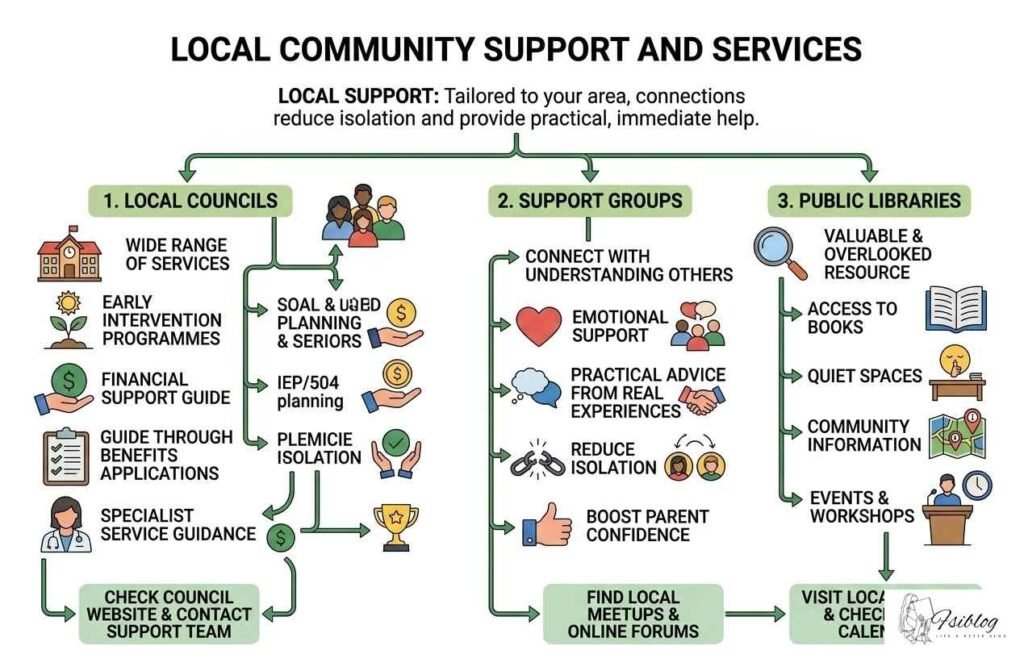
Local support can often provide the most practical and immediate help. These services are tailored to your area and can connect you with other families.
Local Councils
Councils provide a wide range of services, including early intervention programmes and financial support. They can also guide you through applications for benefits or specialist services.
Checking your council’s website or contacting their support team is a good first step.
Support Groups
Support groups give parents a chance to connect with others who understand their situation. These groups can provide emotional support as well as practical advice based on real experiences.
Many parents find that these connections reduce feelings of isolation and help them feel more confident in their decisions.
Public Libraries
Libraries are a valuable but often overlooked resource. They offer access to books, quiet spaces, and community information. Some libraries also host events or workshops that can benefit families.
Free Toolkits and Practical Guides
Toolkits provide structured guidance that can help parents take clear and confident steps.
Autism Speaks 100 Day Kit
This kit is particularly helpful after a new diagnosis. It helps parents organise their next steps and understand what to expect.
It includes checklists, guidance, and tips for managing the early stages of the journey.
Organization for Autism Research Guides
These guides focus on practical solutions for everyday challenges. They are written in simple language and designed for real-life use.
Parents can use them to improve communication, behaviour, and daily routines.
Technology and Assistive Tools
Technology can play an important role in supporting children with autism. It can improve communication, learning, and independence.
Social Stories Toolkit
Social stories help children understand situations by breaking them down into simple steps. This can reduce anxiety and improve behaviour in new or challenging environments.
Parents can customise these stories based on their child’s specific needs.
Verywell Health Assistive Technology Guides
These guides help parents choose the right tools for their child. They explain how different apps and devices can support communication and learning.
Using the right technology can make daily routines smoother and more manageable.
Practical Tips for UK Parents
Using resources effectively is just as important as finding them. Parents should take a step-by-step approach and avoid trying to do everything at once.
Focus on building routines, tracking progress, and staying consistent. Communication with professionals and educators is key to ensuring your child receives the right support.
It is also important to take breaks and look after your own well-being. Support systems work best when parents feel supported, too.
Common Challenges and How to Handle Them
Parents often face similar challenges, especially at the beginning. Understanding these can help you prepare and respond more effectively.
Long waiting times can be frustrating, but using online tools and local support during this period can make a big difference.
Communication issues with schools can be improved by keeping written records and scheduling regular meetings.
Feeling overwhelmed is common, so breaking tasks into smaller steps and focusing on immediate priorities can help reduce stress.
Disclaimer
This content is for informational purposes only and does not replace professional advice. Every child with Autism Spectrum Disorder has unique needs, and support strategies may vary.
Parents should consult qualified professionals such as GPs, therapists, or education specialists before making decisions about diagnosis, treatment, or educational planning. Services and availability may differ depending on your location within the UK.
Final Thoughts
There are many free autism resources available across the UK, but knowing how to use them effectively is key. From national organisations and NHS services to online tools and local communities, each resource plays a role in supporting your child’s journey.
You do not have to navigate this alone. With the right information, support, and approach, you can create a strong foundation that helps your child grow, learn, and thrive with confidence.